Outgrowing the Spreadsheet: Why You Need Dedicated Enterprise Warranty Management
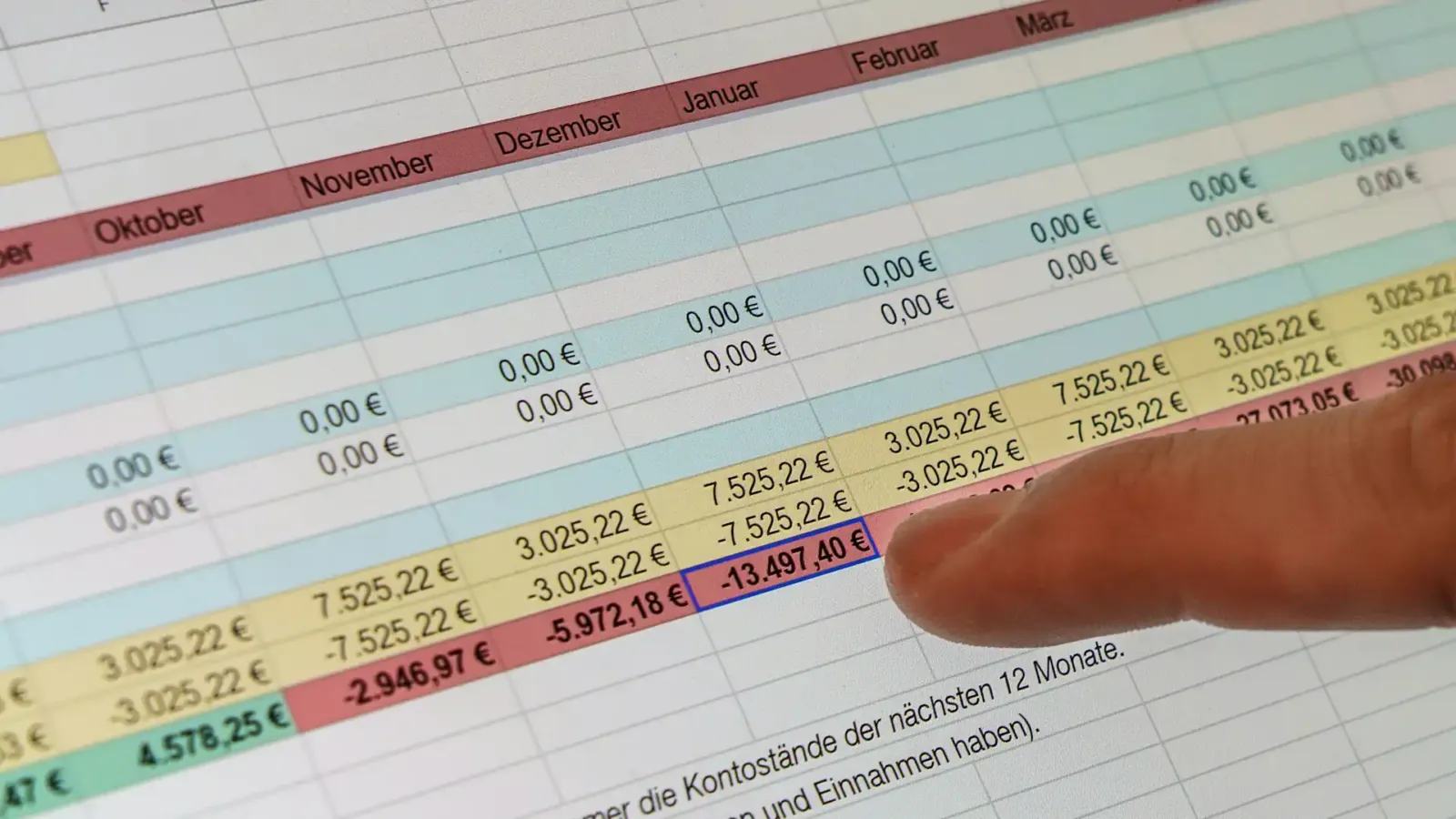
Implementing a dedicated warranty management system is the only way for scaling manufacturers to escape the manual errors and data silos inherent in legacy tracking methods. While a basic spreadsheet works for some claims, it quickly becomes a liability as production volume increases. Below, we’ll explore the tipping point where manual tracking fails, the hidden costs of warranty leakage, and how centralizing your data transforms warranty claims from a cost center into an asset.
Key Takeaways
- Learn why manual entry can’t keep pace with modern manufacturing.
- Understand how automation stops fraudulent or expired claims.
- Discover the power of integrating warranties with a returns management system.
The Invisible Cost of Manual Warranty Tracking in Manufacturing
Depending on spreadsheets may seem fine, but the manual labor required to maintain them masks massive operational expenses. As claim volumes rise, the time spent cross-referencing files creates a bottleneck that slows down your entire service chain and irritates customers.
Data Fragmentation and the Single Point of Failure
Storing critical warranty data in disconnected files creates information silos where the left hand doesn’t know what the right is doing. When engineering, sales, and support departments use different spreadsheets, you lose the ability to see a unified history of product quality or claim trends.
Perhaps most dangerous is the person-dependency risk; if the one team member who understands the spreadsheet logic leaves or takes a vacation, your entire warranty process comes to a complete stop. This lack of transparency makes it nearly impossible to identify recurring manufacturing defects before they scale into expensive recalls.
The Hidden Drain of Warranty Leakage and Overpayment
Warranty leakage occurs when manufacturers pay out claims that are expired, fraudulent, or simply outside the original scope of coverage. Without an automated system, staff often perform only basic spot-checks, allowing errors to slip through. These small, manual mistakes aggregate quickly.
In fact, best practices in warranty and repair emphasize that automation is the only way to catch these leaks. Furthermore, recent research found fraudulent returns and claims cost businesses $103 billion in 2024, highlighting how weak validation controls can drive major revenue loss.
Why Generic Spreadsheets Fail the Enterprise Scalability Test
Static spreadsheets simply aren’t built to handle the velocity of a modern production line. As your manufacturing output scales, the manual effort required to keep a workbook accurate leads to data decay and blindness.
Lack of Real-Time Serialized Tracking
Tracking individual component history and unique serial numbers in a static document is an uphill battle. In manufacturing, it’s imperative to know exactly which part went into which unit and when its specific coverage began. Spreadsheets lack the real-time connectivity to update these records instantly, creating a perilous gap between high-volume production and slow manual data entry.
Without live visibility into serialized data, your team can’t accurately verify if a specific component is still under warranty, leading to costly errors and missed recovery opportunities from your own suppliers.
The Compliance and Audit Nightmare of Unstructured Data
In regulated industries, producing a clear audit trail from scattered Excel files is a major liability. If a regulator or stakeholder requests documentation, searching through various versions of “Warranty_Final_v2” creates legal and financial risks. Dedicated systems ensure one version of the truth by logging every action, change, and approval automatically.
This structured approach simplifies manufacturing returns and compliance, moving you away from the chaos of unstructured data and toward a defensible, transparent record-keeping process that satisfies both internal auditors and external regulators.
Strategic Benefits of Transitioning to a Dedicated Warranty System
Moving beyond manual entry lets your team focus on strategy rather than data cleaning. A specialized system provides the framework needed to protect your margins while improving the overall customer experience.
Public warranty research on consumer durable goods shows claim rates often fall in the low single digits, commonly around 1% to 5% depending on product type and warranty terms.
Automating Claim Validation and Entitlement Verifications
A dedicated software solution immediately checks a product’s warranty status against purchase dates, service contracts, and specific serial numbers. This automation eliminates the human error inherent in manual approval or denial processes, ensuring that technicians only work on units that are truly covered.
When you remove the guesswork, you increase the speed of processing claims. This faster turnaround time saves you money and boosts partner and dealer satisfaction, as they no longer have to wait days for a manual verification of their claim entitlements.
Centralizing Product Lifecycle Data for Better Engineering Insights
When you centralize your data, warranty claims become a powerful feedback loop for your engineering and quality control teams. Instead of buried spreadsheet rows, you get clear reporting that identifies recurring failure patterns across specific product batches or components.
Identifying these hot spots lets you make design adjustments early, reducing future warranty spend through proactive engineering improvements. This data-driven approach transforms the warranty department from a reactive cost center into a vital source of intelligence that improves product durability and brand reputation over the long term.
Bridging the Gap Between Warranty Claims and Reverse Logistics
A warranty claim is the start of a physical journey. Integrating your warranty logic with your logistics workflow ensures that when a claim is approved, the hardware moves just as fast as the information.
Streamlining the RMA Process for Repairs and Replacements
The most efficient systems connect the digital warranty claim directly to the physical Return Merchandise Authorization (RMA). Instead of forcing customers to wait for manual emails, integrated systems automatically trigger shipping labels and specific repair workflows based on the claim type.
This level of automation is a hallmark of sophisticated returns management software, which manages return-to-vendor or return-to-base logic within a single platform. Automating these hand-offs lets you eliminate the problems that typically hold up repairs, getting functional products back to customers faster while maintaining full visibility over the inventory in transit.
Seamless Integration with Existing ERP and WMS Ecosystems
For an enterprise to thrive, a warranty system cannot exist as another isolated silo. It must communicate fluently with your ERP and WMS. When your returns management platform syncs with your existing tech stack, you gain the ability to update financial records, inventory levels, and customer profiles in real time.
ReverseLogix fits into this ecosystem to create a unified workflow, ensuring that when a warranty replacement is shipped, the warehouse inventory is adjusted and the customer record is updated automatically. This connectivity prevents data discrepancies and makes sure that every department is working from the same real-time information.
Quantifying the ROI of Warranty Management Automation
Investing in a dedicated system delivers measurable financial gains by slashing the labor costs associated with manual data entry and claim adjudication. Automating the verification process lets you claim revenue that is otherwise lost to invalid or fraudulent claims.
Beyond these direct savings, there is a substantial soft ROI found in improved brand reputation; when dealers and customers experience a simple, fast warranty process, loyalty increases. Ultimately, reducing the time spent on administrative overhead allows your team to focus on high-value tasks, turning a traditionally expensive operation into a streamlined, cost-effective department.
Future-Proofing Your Manufacturing Operations with ReverseLogix
As your business grows, your warranty and repair needs will only intensify. Shifting from fragile spreadsheets to a robust, automated system ensures your operations remain agile, compliant, and profitable. Centralizing your data and integrating your workflows lets you turn the challenges of reverse logistics into a competitive advantage. Ready to see how much your manual warranty process is costing you?
Modern enterprises use Document Management Systems (DMS) to digitize and index physical manuals. Historically, these were kept in climate-controlled archives by SKU or year, but a dedicated digital platform now attaches these documents directly to serialized product records for instant, paperless access.
The WCR is the percentage of units sold that result in a claim. It is a vital KPI because it acts as an early warning system for product quality issues, helping manufacturers identify defects and prevent costly recalls or brand damage.
An express warranty is a specific, written guarantee from the manufacturer about a product’s performance. An implied warranty is an unwritten, legal baseline ensuring the product is functional and fit for its intended purpose, as mandated by state law.
A 3-3-3 warranty specifies distinct durations for different services, such as three years each for parts, labor, and onsite support. A bumper-to-bumper warranty is a comprehensive, all-in-one policy covering nearly every component for a single, unified time period.
This tiered model provides three years of coverage for core components (like frames), two years for major systems (like electronics), and one year of comprehensive coverage. It balances long-term protection for durable parts with shorter limits on high-wear items.
Get a Demo
Discover how you can jump-start your returns management efforts with ReverseLogix.