

Returns Management Software by Industry one system for every kind of return
Returns management software by industry handles a laptop, a jacket, a compressor and a pallet from a marketplace seller, each by its own rules, in one returns record.
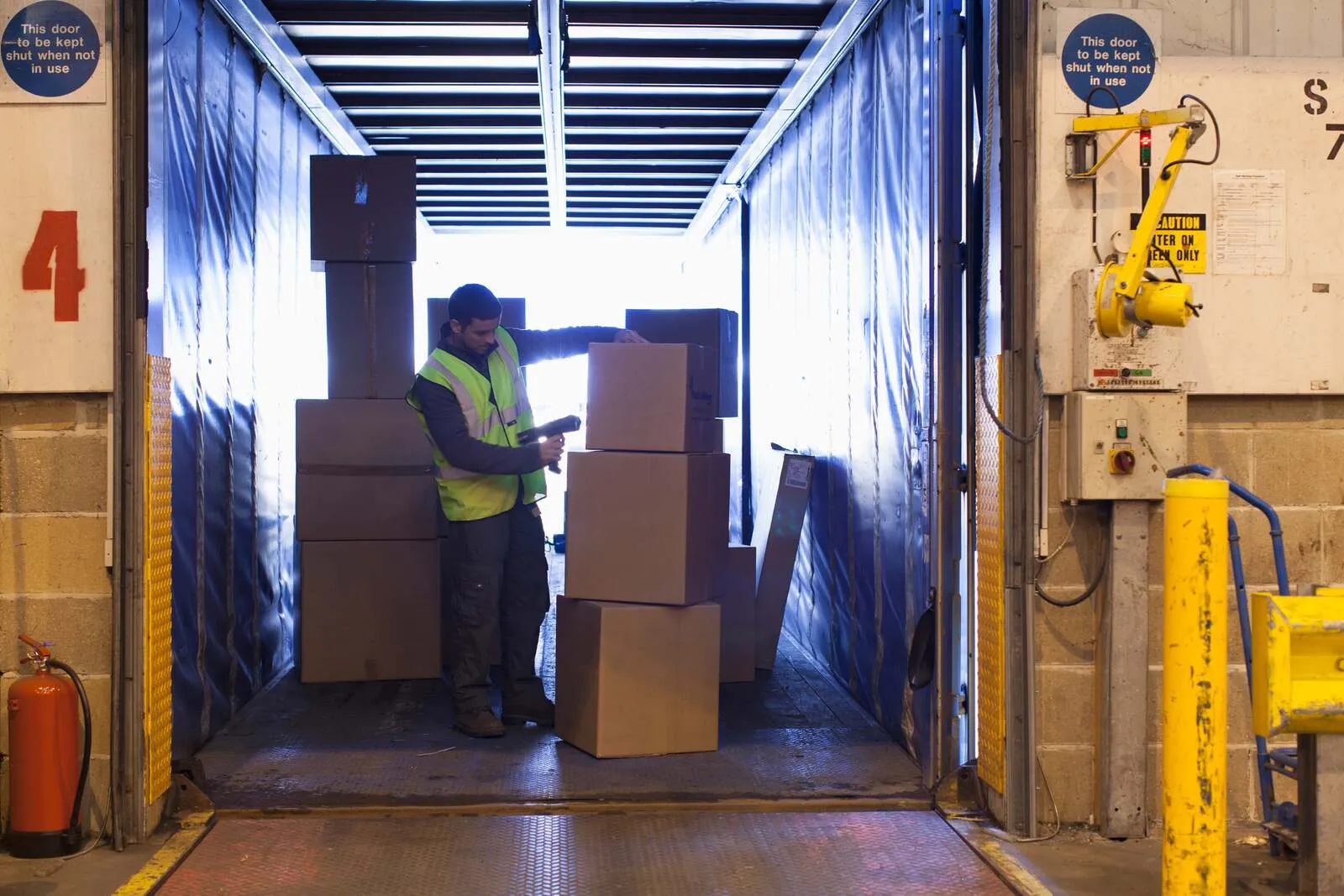
It is Monday and the dock is full. A boxed laptop with a locked screen sits next to a jacket that smells of smoke and a dealer pallet with no paperwork. Each one needs a different decision, and the team is deciding them by email and spreadsheet. ReverseLogix is returns, repair and warranty management software for manufacturers, retailers and 3PLs. This page explains why returns differ by industry and why one system can still run them all. Pick your industry below to see the rules, the routes and the records that fit your product.
Returns teams using ReverseLogix include:


Why Do Returns Look So Different From One Industry to the Next?
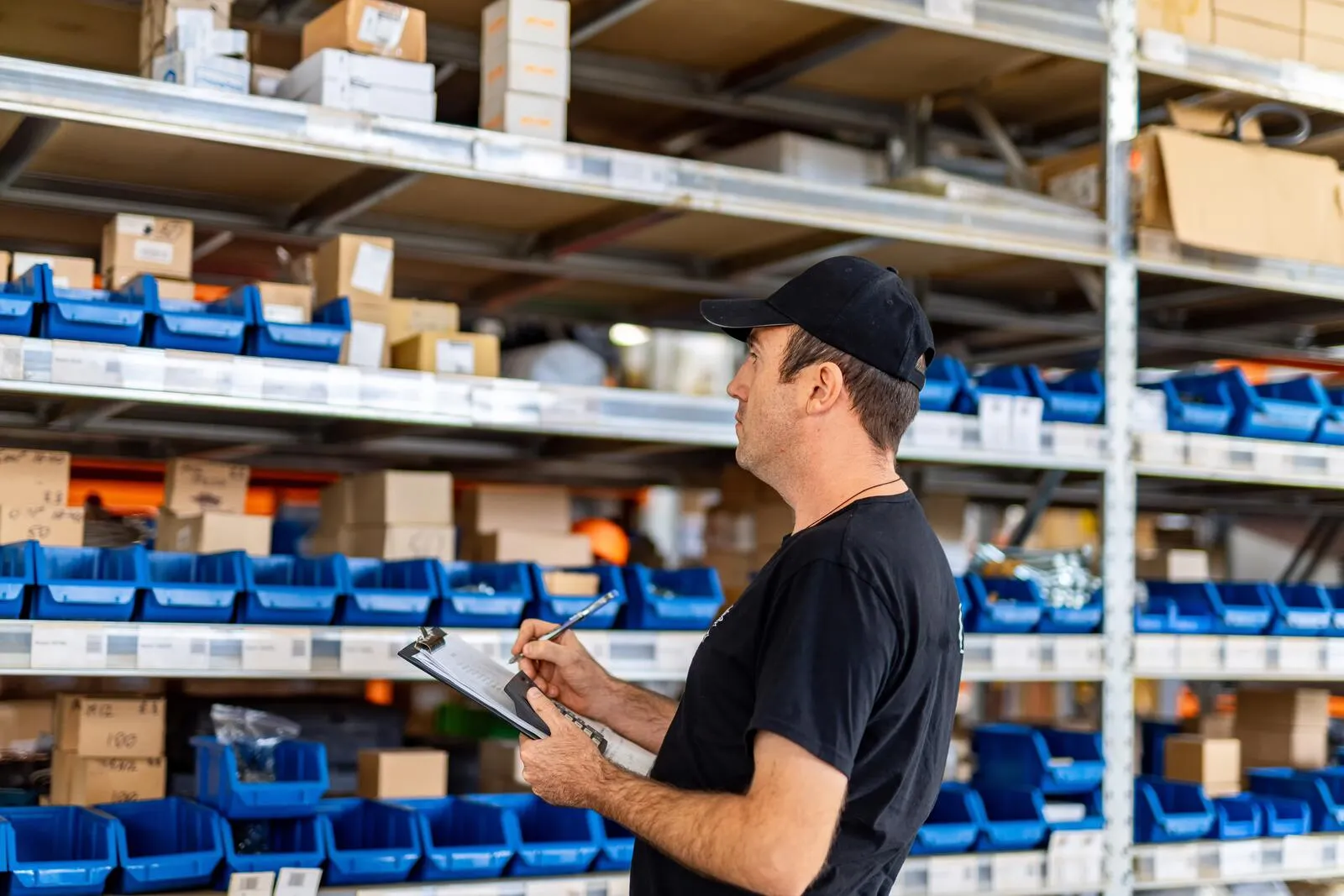
Returns differ because the product differs. A sweater has a size and a season. A compressor has a serial number and a warranty. A brake part has a core charge. The dock sees all of it, and a generic returns form fits none of it.

The product sets the rules
Return window, condition, warranty and destination all change by SKU and category. A rule that works for apparel breaks on a serialized unit.

The route after the dock is different
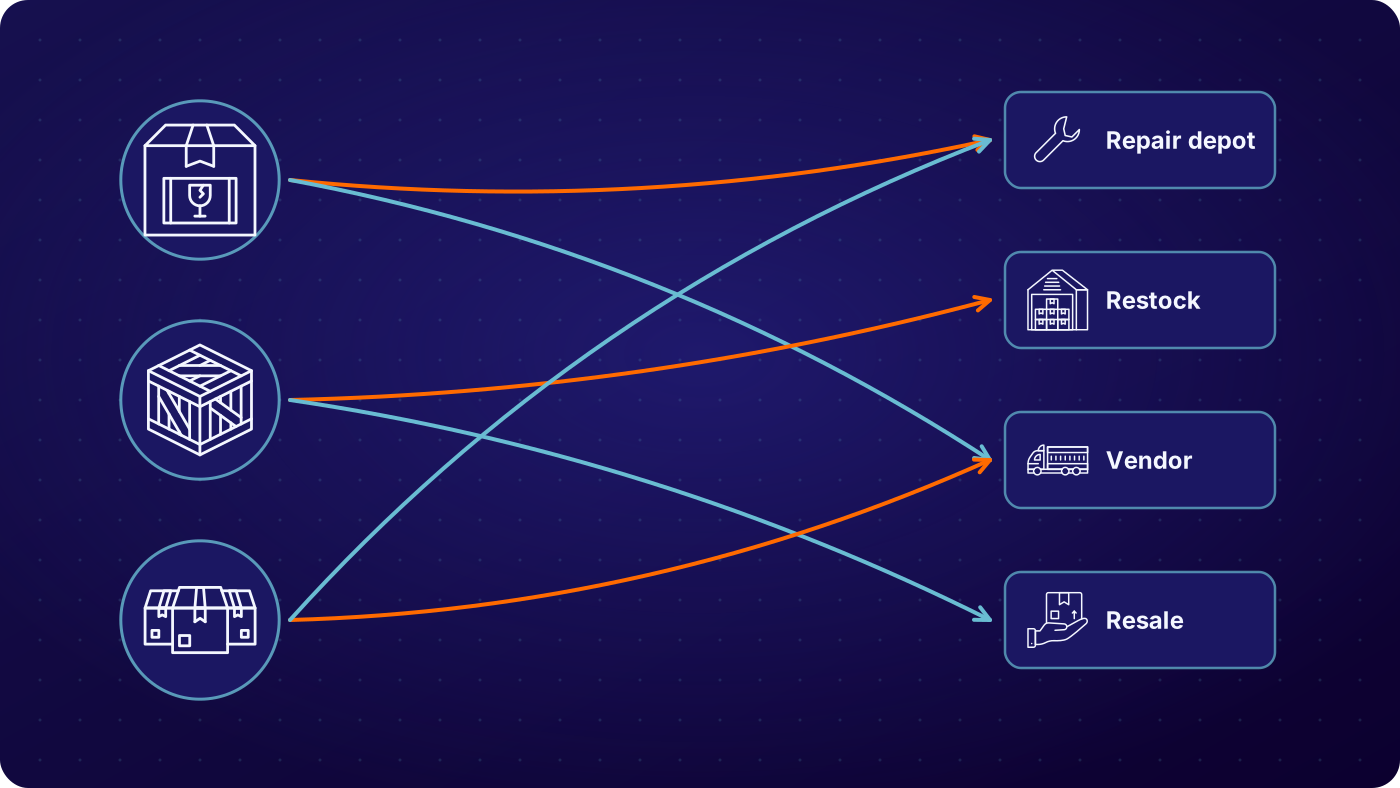
Fashion looks for resale and markdown. Electronics look for repair and refurbishment. Industrial parts look for a repair depot or a supplier credit. Each route needs its own decision points.

Different partners touch the return
Stores, dealers, marketplaces, service centers and 3PL warehouses each handle a piece. When each keeps its own list, nobody can say where the unit is.

Teams end up with one tool per business unit
One division runs a portal, another a spreadsheet, a third an email inbox. Finance sees three versions of the same loss, and nobody can compare them.
Why Can One Reverse Logistics Software Platform Still Run Returns for Every Industry?

One record for each unit
Every return, repair and warranty claim opens a record tied to the order and, where it exists, the serial number. Everyone who touches the unit adds to the same history, whether they sit in a store, a service center or a 3PL.
See: returns processing
Rules set by product and reason
Return windows, conditions, reasons and destinations are configured by SKU, category and reason. The same platform can hold a thirty-day apparel rule and a warranty-entitlement check on a serialized unit.
Inspection, grading and disposition
Each unit is received against its RMA and graded to criteria for that product. The grade sets the route: restock, repair, refurbish, resale, return to vendor, harvest for parts, recycle or destroy. The route is written to the record.
See: reverse logistics, recommerce

Records post to your systems
The returns record posts to your ERP, commerce platform and warehouse system. They stay the systems of record. Integrations cover SAP, Oracle, NetSuite and Dynamics 365, plus Shopify, Magento, BigCommerce and WooCommerce, and over 400 carriers in more than 100 countries.
See: integrations
| Condition at inspection | Typical route | Recorded on the return |
|---|---|---|
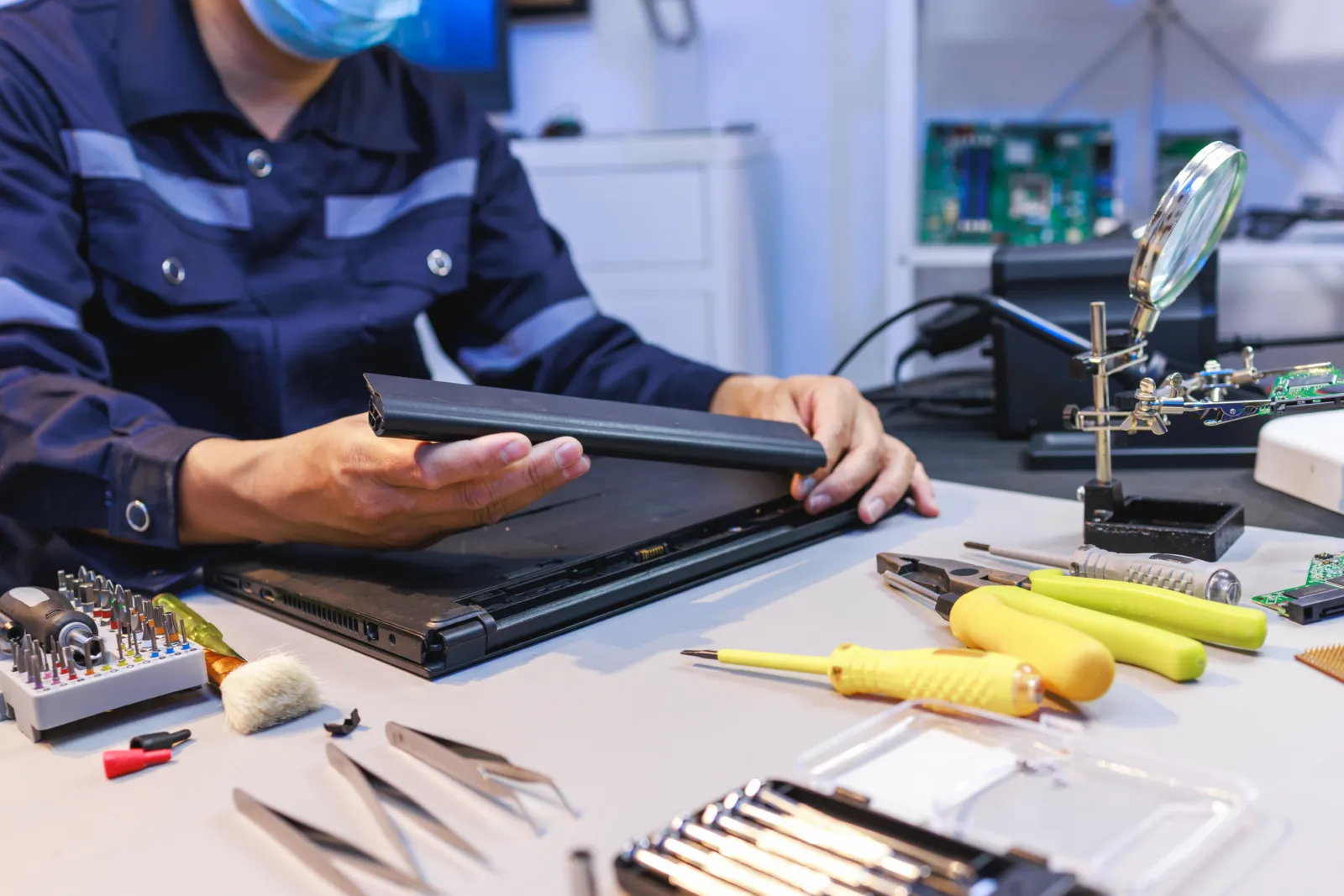
| Electronics, computer parts, appliances, tools and home | Serialized units, warranty checks, repair and refurbishment before any resale | Serial, entitlement result, fault reason, grade, repair order, route |
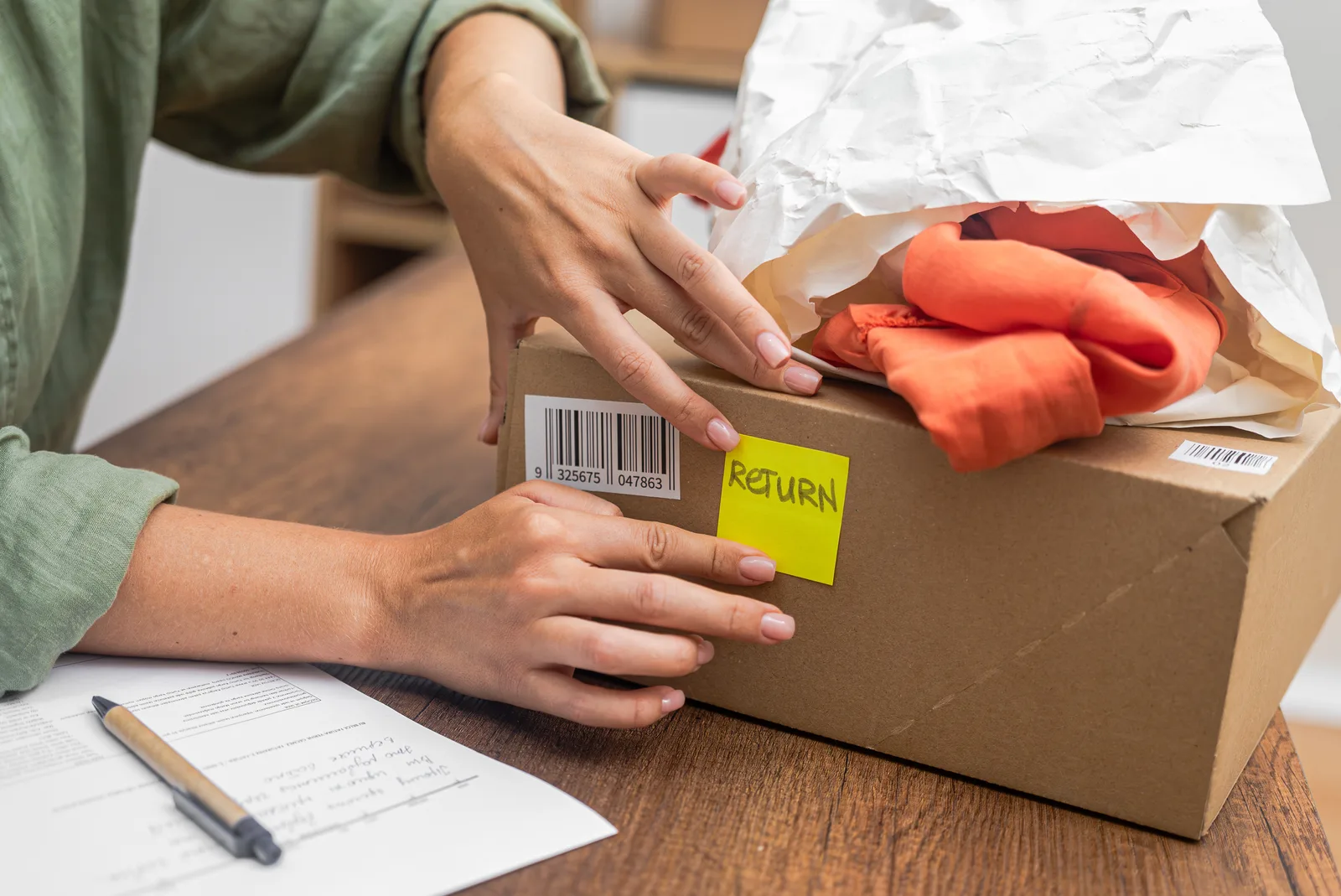
| Fashion, apparel and sporting retailers and brands | Sizing exchanges, seasonal volume, resale and markdown routes | Return reason, exchange, grade, resale channel, refund |
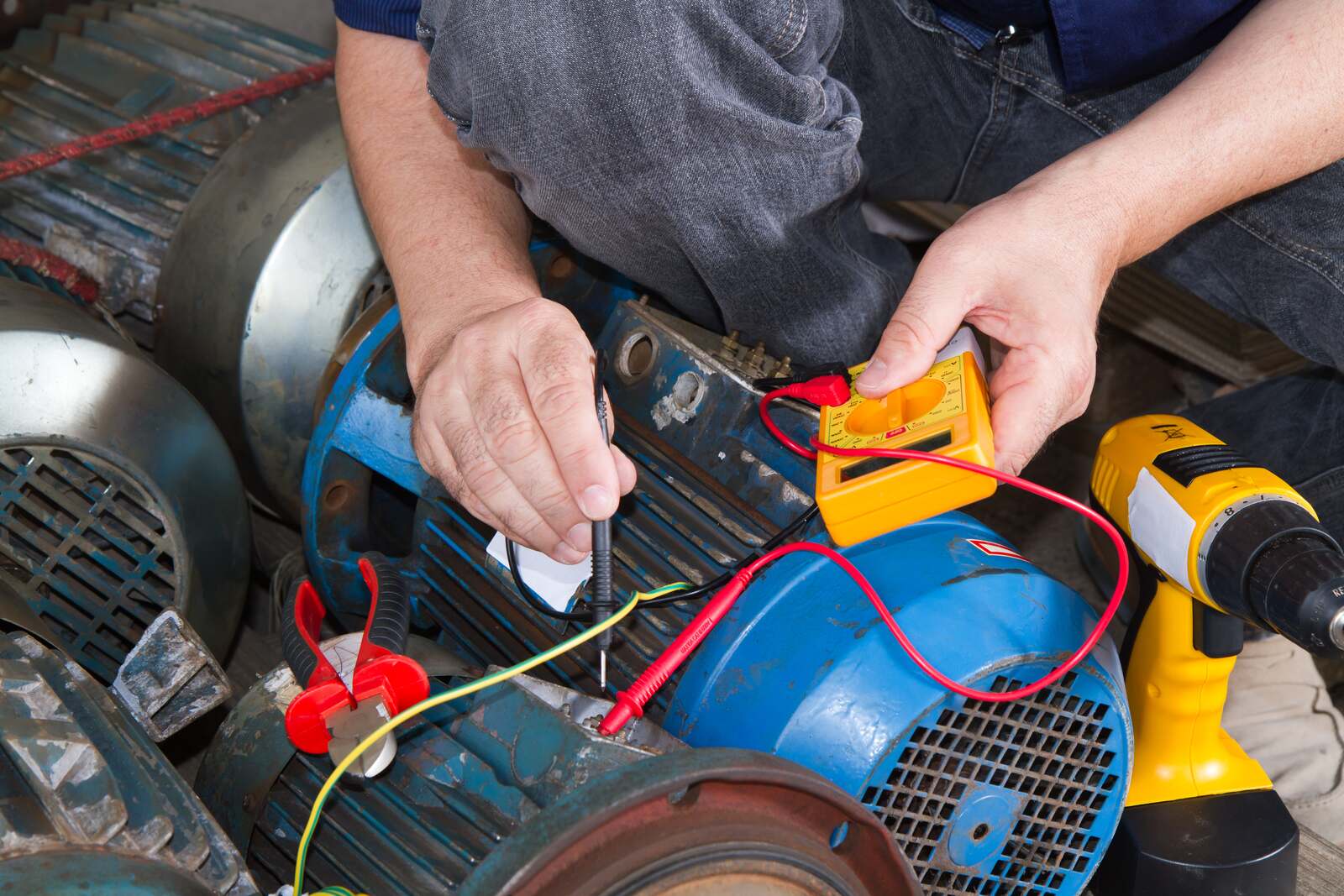
| Industrial equipment and automotive parts | Dealer and distributor returns, cores, repair depots, supplier credit | Serial or part number, warranty result, core status, depot, supplier claim |
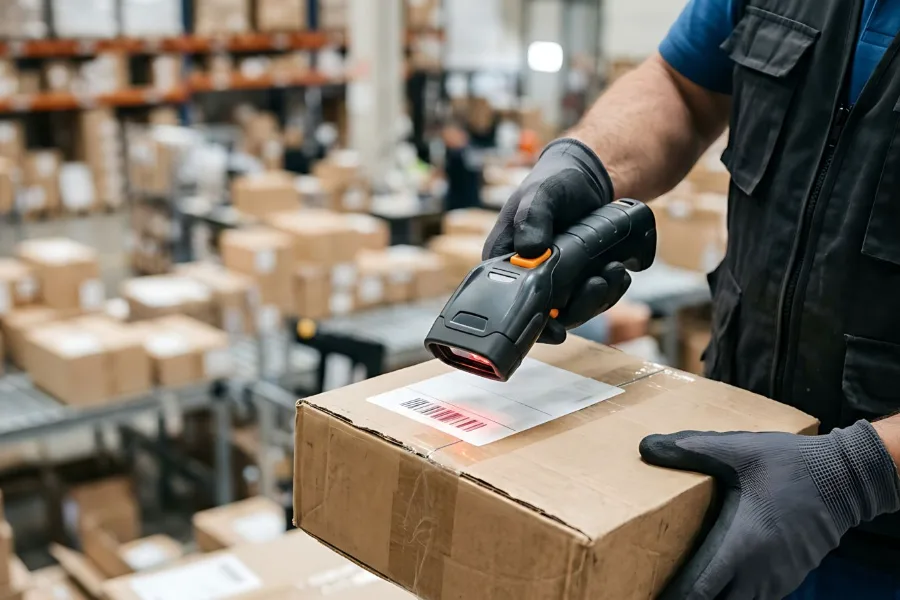
| Retail, marketplaces and direct-to-consumer brands | Store, online and marketplace returns matched to the order, fraud and abuse checks | Order match, channel, fraud signals, grade, refund, route |
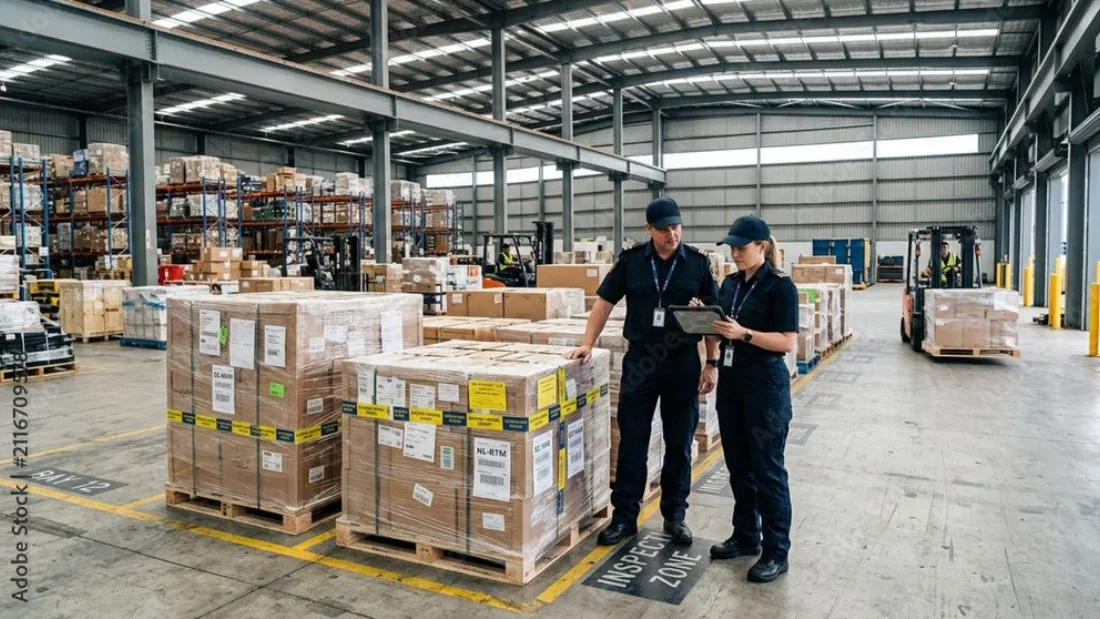
| Third-party logistics providers | Client-by-client rules and reporting on shared floor space | Client, RMA, receipt, grade, disposition, time stamps |
The industry groups we serve. Each program sets its own rules, grades and routes.
Which Industry Page Should You Start With?
Start with the page that matches what comes back to your dock, not what your company calls itself. A brand that sells sneakers and also repairs headphones can read both. Retailers can start with the retail page and manufacturers with the industrial equipment or automotive parts page. If you run returns for other companies, start with the 3PL page. If you sell through marketplaces and your own site, start with the marketplaces and D2C page. Sporting goods has its own page for seasonal spikes and gear warranty.
See: retail, sporting goods, 3PL, automotive parts
Pick the page that fits your dock
- Serialized products with warranty: electronics, appliances, tools and industrial equipment
- Size, season and resale: fashion, apparel, sporting goods and retail
- Many sellers and channels: marketplaces and D2C brands
- Returns for other companies: 3PL providers
How Do You Choose Industry Returns Management That Fits?
Ask what the system does with your hardest return, not your easiest one. Any tool can issue a label. The test is what happens when the box has no RMA, the serial does not match, or the unit is under warranty and needs a repair quote. Bring your worst five cases to the demonstration. ReverseLogix walks each one through intake, inspection and disposition, so you see the record it leaves behind.
- Does it apply rules by SKU, category and reason, or one rule for everything?
- Can it receive a box with no RMA and still keep a record?
- Does the grade set the route, and does the route stay on the record?
- Can stores, dealers, marketplaces and 3PLs all add to one unit history?
- Does it post to your ERP and warehouse system, or ask you to replace them?
Does Adding a Returns System Mean Replacing Our ERP?

No. Your ERP, commerce platform and warehouse system stay the systems of record. ReverseLogix keeps the returns record and posts to them. It is API-first and integrates with SAP, Oracle, NetSuite, Microsoft Dynamics 365, Salesforce, Shopify and warehouse platforms including Blue Yonder, Manhattan, Korber and SAP EWM. Each project maps fields, runs a sandbox and user acceptance testing, and agrees a go-live plan. Standard go-live for initiation is 4 to 6 weeks. Repair and technician flows extend it.
See: integrations, implementation
What Records Does Every Industry Need From Its Returns?
Every industry needs the same three answers: what came back, what was decided and who decided it. ReverseLogix keeps a full audit history on every record, with role-based access so each team sees what it needs. That history supports warranty disputes, supplier claims, finance reconciliation and product safety lookups.
Rules specific to your industry, such as battery shipping or product recalls, stay with your compliance team. The platform runs them as workflow steps and records the result. Security certifications are shared during evaluation.
Find your industry



Returns management software by industry: questions and answers
It is returns software configured for the products a business sells. The core is the same: intake, inspection, disposition and refund. The rules differ. Electronics need serial and warranty checks, fashion needs sizing and resale routes, and industrial parts need dealer and depot flows. ReverseLogix sets these by SKU, category and reason inside one platform.
A generic tool applies one rule set to everything. That breaks when a serialized unit needs a warranty check, an apparel item needs a resale route, or a dealer sends a list of parts. Rules, grades and destinations have to change by product. Otherwise the team handles exceptions by hand, outside the system.
Yes. Rules are configured by SKU, category and reason, so a company with an apparel line and an electronics line can run both on one platform. Each unit keeps one history, and finance and operations see returns across divisions in the same records instead of three separate lists.
ReverseLogix supports electronics and computer parts, fashion, apparel and sporting retailers, appliances, home improvement, office and pet, industrial equipment, automotive parts, retail, sporting goods, marketplaces and direct-to-consumer brands, and 3PLs. Each has its own page with the rules, routes and records that fit that product.
No. Your ERP, commerce platform and warehouse system stay the systems of record. ReverseLogix keeps the returns record and posts to them through API. It integrates with SAP, Oracle, NetSuite, Microsoft Dynamics 365, Salesforce, Shopify and warehouse platforms. Each project maps fields, tests in a sandbox and agrees a go-live plan.
Standard go-live for returns initiation is 4 to 6 weeks. Repair and technician flows extend that, because they add quotes, parts and assignments. The timeline depends on your integrations, the number of rules and how much testing your team needs. A specialist can scope it against your process in the first call.
Talk to a returns specialist. The platform is configured, not built for one vertical, so a category we have not listed can often run on the same intake, inspection and disposition flow. The specialist reviews your hardest returns first and tells you plainly whether the fit is there.
Further reading: National Retail Federation research on retail returns.
Bring Your Hardest Returns to the Table
A specialist walks through the returns that cause the most email and rework, and shows how each one moves through one record.


