

Fast Fashion is Pushing Reverse Logistics to its Breaking Point
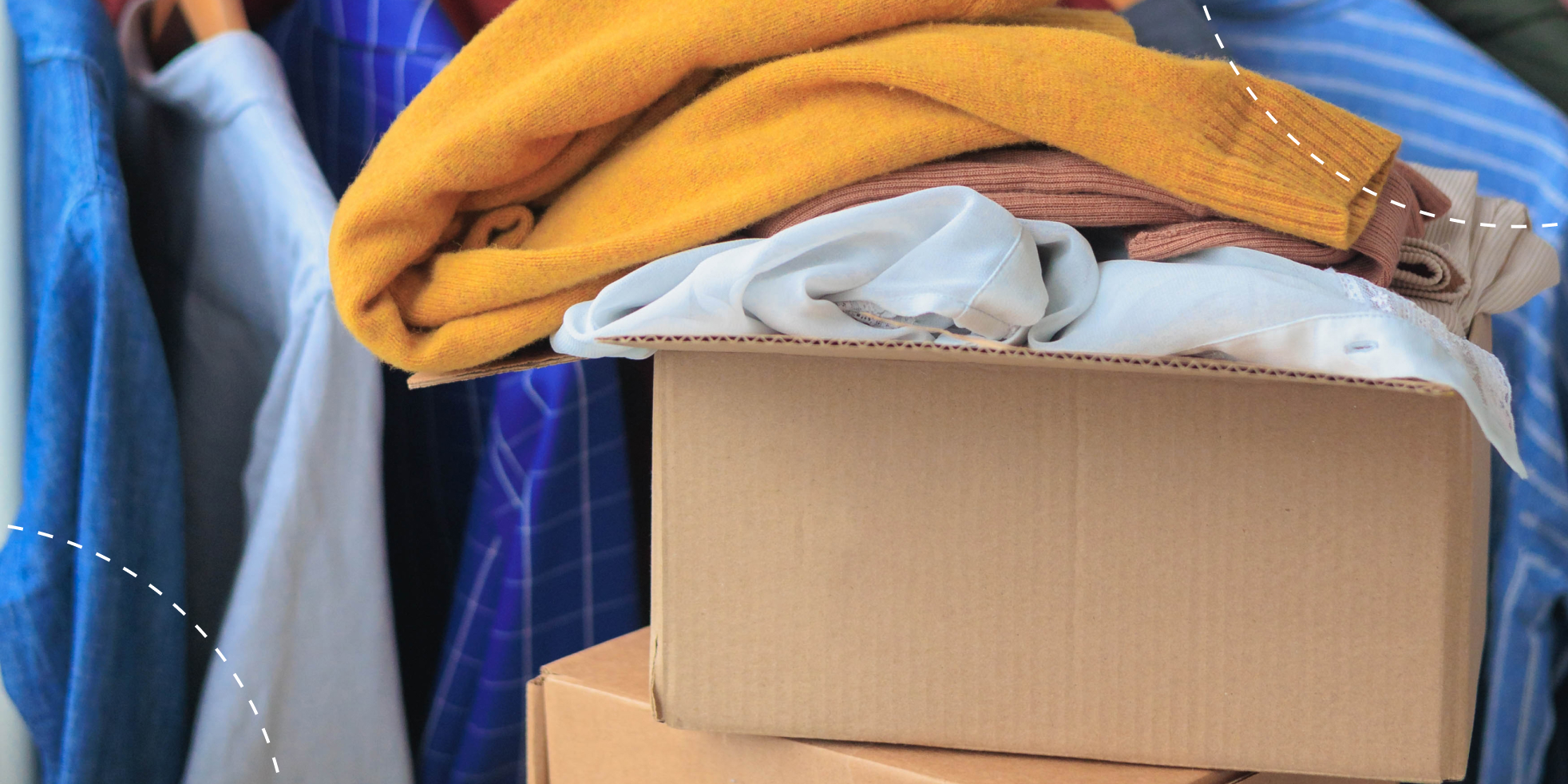
Fast fashion may be quick, but it is also fragile. The problem for many retailers and manufacturers in the industry is that they are so focused on automating the front end to sell as much as possible that they often ignore or fail to see the returns damage stacking up behind the curtain.
Article Brief:
- Fast fashion returns are overwhelming reverse logistics systems.
- Designed for speed, not sustainability, these returns drain profit, flood warehouses, and raise environmental concerns.
- Retailers must rethink reverse logistics as a system, not a side process.
Fast fashion runs on a model that was never built to carry returns, and now, those returns are a major problem across the industry. But the real pressure point is reverse logistics. And that’s primarily because behind every low-cost dress or next-day delivery is a growing stack of returned products that are poorly sorted, handled, and tracked. These returns are now are a cost center that breaks networks, erodes profit, and overwhelms recovery systems.
Fast Fashion Creates High Returns by Design
Brands embrace the fast fashion model because they are keen to leverage speed. The problem with that approach is that it often encourages overproduction, impulsive buying, and frictionless returns. That’s a lot of cost and wasted efforts. And although, customers respond with volume purchases, often buying multiple sizes of the same item to try on at home, These patterns have created a return category on their own, where buying is detached from keeping.
According to the National Retail Federation, return rates across retail averaged 15.8% in 2025. But in fast fashion, that number often hovers around 25%. And most of these returned items are products that do not fit, arrived late, weren’t what the customer expected, or were bought with every intention of being returned.
The issue isn’t quality. Its behavior and behavior at this scale drives waste.
Reverse Logistics Networks Were Not Built for This Volume
Traditional reverse logistics operations were designed for consumer electronics, spare parts, and high-value items that justified careful tracking, repair, and resale. But fast-fashion retailers are processing millions of low-cost garments with short shelf lives, while still relying on traditional reverse logistics. That’s a serious mismatch.
Returned fashion items need to be received and scanned, inspected and repackaged, and rerouted or discarded. However, most retailers lack a solid reverse logistics strategy to move quickly through these steps. So, they rely on manual handling, guesswork, and third-party reverse logistics partners. The result is backlogs, delays, lost revenue, and warehouses full of unsold products that can’t be resold fast enough to recapture value.
Operational Costs Pile Up Behind the Scenes
The operational cost of returns carry hidden layers that are not reflected in the sales report. Here are some of them:
1. Labor and Handling
Most products going through the returns process have to undergo multiple handling. They are unpacked, inspected, sorted, and sometimes relabeled. But these take time and people. In some case, the temporary workers hired for peak seasons often lack training, which tends to increase sorting errors. And the longer an item sits, the lower its resale value.
2. Inventory and Space
Returned garments take up storage space that could be used for new products, and decision-making delays increase the number of items left unsold. By the time some products are ready for resale, the trend has moved on. Then these items end up in clearance bins or liquidation channels and are often sold below cost.
3. Transportation and Secondary Movement
Returns often move through multiple warehouses before their fate is decided. And each move comes with additional transportation costs and emissions. But fashion returns are rarely consolidated efficiently. For example, one jacket might make three stops before it’s sent for recycling or disposal. That’s a reverse supply chain without a brake.
The Environmental Impact Is Just as Serious
Every returned garment carries a carbon footprint that most retailers never measure. Meanwhile, returned items that can’t be resold often end up in the landfill or at an incineration facility. And in fast fashion, that’s a large share of the plot. For instance, reports from the European Environment Agency (EEA) and the European Commission indicate that Europe generates approximately 12.6 million tonnes of textile waste annually. Much of it from post-purchase returns. That is why sustainability efforts are now linked to real penalties, especially under extended producer responsibility rules spreading across the country. Retailers with poor return recovery will face financial and regulatory pain.
Selling More Doesn’t Solve the Problem.
The fast fashion industry measures success by volume. But more sales only multiplies the problem because that means more returns. Without a recovery model, that’s a recipe for collapse. And if you think about it, the average customer has been trained to expect free returns. Some even regularly return multiple sizes of the same product. Meanwhile, retailers afraid to lose market share offer generous return policies with little control.
Here’s the issue: while front-end sales scale well, reverse logistics processes don’t. Every returned item adds cost, emissions, and handling time. So chasing that volume without control becomes chaos.
What Reverse Logistics for Fast Fashion Actually Requires
To manage the weight of fast-fashion returns, the reverse logistics process must be redesigned to improve speed, automation, and clarity. That entails real-time visibility across supply chain nodes, rules-based disposition to avoid decision delays, pre-tagging by SKU and size to automate routing, and integrated return software to connect order data with inspection workflows
Retailers also need access to return data. Knowing why returns happen is the first step toward redesigning the product life cycle for recovery. Returns data is no longer optional. It’s a recovery tool, and it must be built into the process from day one.
Smarter Fashion Starts with Recovery Thinking
Retailers chasing volume need to rethink the fashion production cycle through the lens of reverse logistics. That usually means:
- Using reusable packaging where possible
- Offering repair departments or resale platforms
- Shifting from unlimited returns to conditional ones
- Designing with reuse or recycling programs in mind
Some other retailers are already exploring slow fashion, renting clothes, or resale partnerships to reduce returns. They are not abandoning style. They’re managing waste and reclaiming value. Sustainable practices begin where fast fashion usually ends—at the return counter.
Streamlining Fast Fashion With ReverseLogix
The fast fashion model was never designed to handle the reverse logistics operations it now generates. That pressure is growing every quarter. And the longer the problem hides in third-party warehouses and discount bins, the harder it becomes to fix.
Fast fashion can still survive. But it must treat reverse logistics as a system to control, not a problem to ignore. And that is the role of ReverseLogix. We help you get the most out of your reverse logistics operations for your fast fashion business.
Returns affect everything, including manufacturing processes, logistics, customer expectations, sustainability, and margin. ReverseLogix ensures you can treat every return as a system failure that can be fixed. Get a demo today.
Frequently Asked Questions
Fast fashion retailers face high return rates because of low pricing, fast shipping, and generous return policies. Customers often buy multiple sizes or styles with the intention of returning what doesn’t fit or feel right. This consumer behavior, combined with poor garment quality and short-lived trends, creates a steady stream of returned items that most retailers struggle to manage efficiently.
Returned fashion items often end up in landfills or incinerators, especially when resale isn’t possible. Fast fashion returns contribute to textile waste, rising global carbon emissions, and excessive use of fossil fuels from repeated delivery failure, reverse transport, and packaging waste. Retailers with poor recycling programs or no resale path face both environmental damage and rising sustainability efforts scrutiny.
Traditional logistics pushes products forward from warehouse to store to customer. Reverse logistics pulls returned products back through inspection, sorting, and recovery operations. In fast fashion, this is harder because of high volume, low resale value, and limited time before the item becomes unsellable. A lean supply chain isn’t enough—it needs a solid reverse logistics plan to manage flow and cost.
Yes—but not without redesigning the supply chain process. Retailers can support sustainable practices by using better raw materials, reducing overproduction, limiting free returns, and offering repair departments or take-back programs. Building smarter reverse logistics operations allows products to be recovered, reused, or resold quickly—reducing waste without slowing sales.
Returns management systems that capture detailed return reasons and end user behavior help retailers spot patterns—like frequent size issues or shipping delays. This data helps improve product life cycle planning, reduce unsold goods, and adjust the manufacturing processes that drive returns. Without this visibility, many retailers stay reactive and lose control over the return process.
Get a Demo
Discover how you can jump-start your returns management efforts with ReverseLogix.


