

Medical Device Returns Management Software for devices people depend on
Entitlement checked, repair or replace decided, and a full history kept for every returned device.
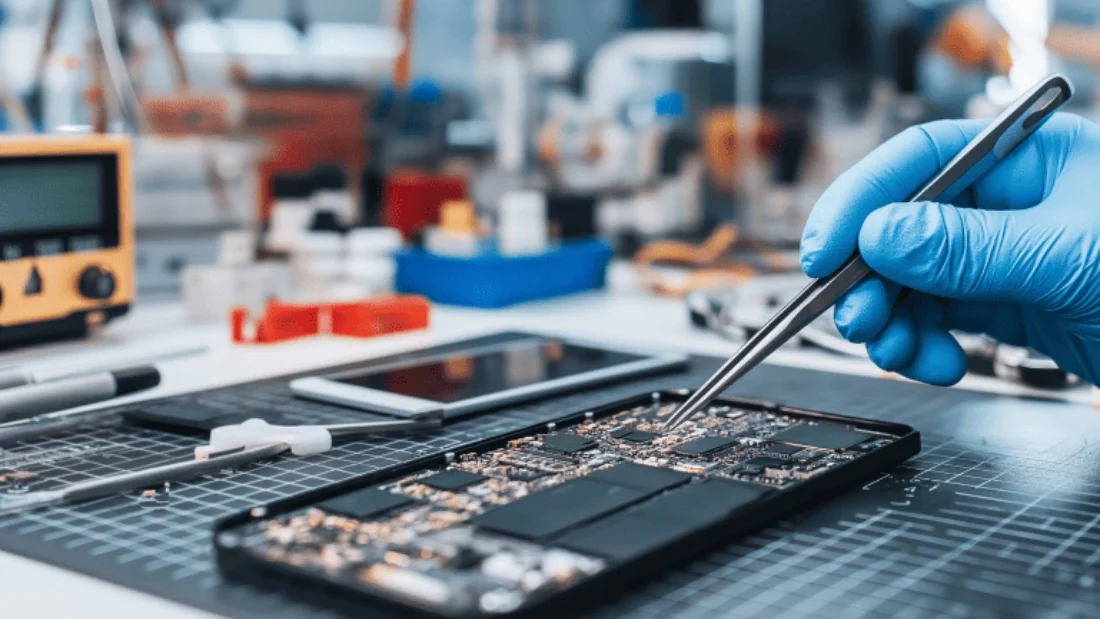
A hearing aid comes back in a padded mailer with a note that says it stopped working. The serial number is on the box. The lot number is somewhere in a shipment record. The customer wants a replacement by Friday. ReverseLogix is medical device returns management software for manufacturers of consumer health devices, durable medical equipment and diagnostic and lab instruments, and for their distributors and authorized service centers. It runs intake, entitlement, inspection, beyond economical repair (BER) scoring, repair and disposition in one system, and posts records to the ERP you already run.
Returns teams using ReverseLogix include:


Where Do Medical Device Returns Go Wrong?
A recall notice goes out on a Tuesday. By Wednesday someone has to say which units came back, which lots they belong to and where each one sits now. The US Government Accountability Office counted 3,934 medical device recalls from fiscal year 2020 through 2024. Returns teams find out how good their records are on days like that.
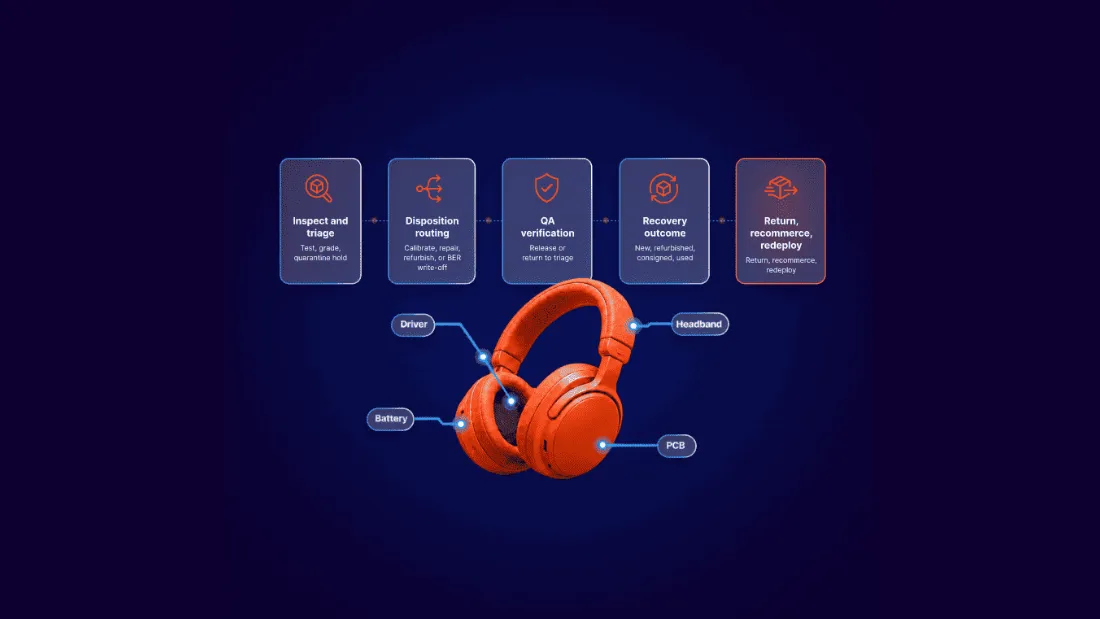

A returned device is a record before it is a unit
Serial and lot have to be traceable from the first claim to the last disposition. A spreadsheet that loses the lot number loses the answer.

Repair or replace carries clinical and financial weight
Someone who relies on a device cannot wait through a long repair. Someone in finance needs to know what the repair costs against a new unit. BER scoring and advance exchange put both facts in front of the decision.

Complaint intake and returns intake are usually two systems
The complaint arrives through one channel and the unit arrives through another. Matching them by hand takes time and leaves gaps in the file.

Distributors and service centers own parts of one return
The manufacturer holds the warranty and the record. The distributor holds the customer. The service center holds the device. The return needs one history that all three add to.
How Does a Medical Device Return Move Through One System?
Intake, entitlement and advance exchange
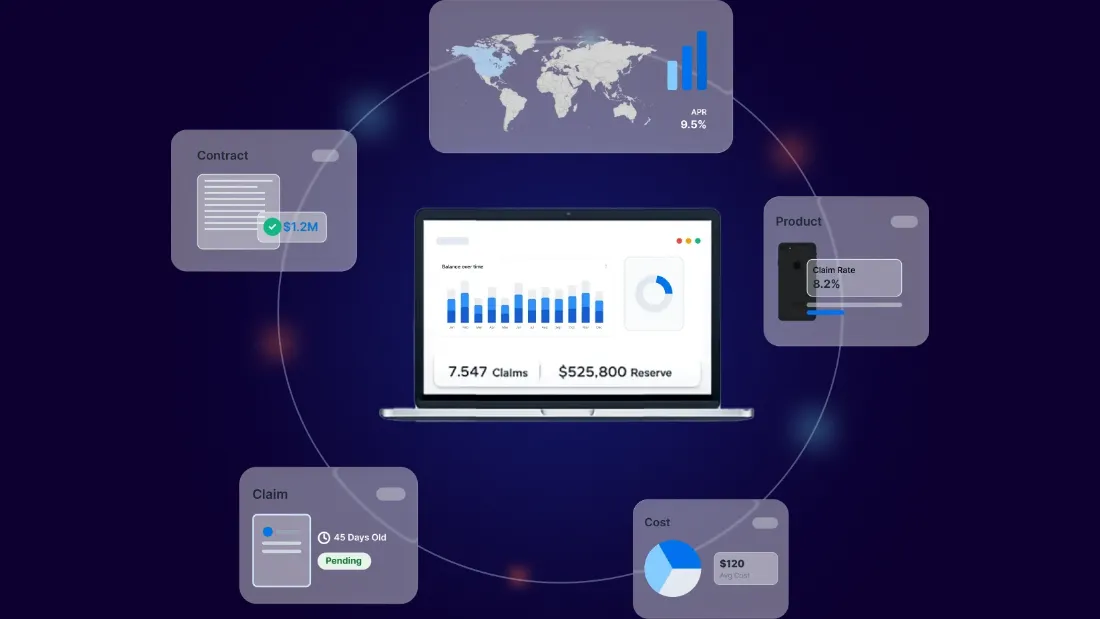
Coverage gets checked before a return is authorized. Consumer and B2B requests come in through one process, with serialized product registration and warranty entitlement checks at request. Configurable rules apply return windows and conditions. Two-tier reasons capture the fault, and photo or video evidence attaches to the request. For a failed device under warranty, advance exchange sends the replacement first.
See: returns initiation, warranty management
Receiving, inspection and BER
Each unit is received against its RMA and graded against SKU-level criteria. BER scoring compares repair cost with a configurable threshold, so the repair-or-replace call rests on a number the team agreed in advance.
See: returns processing
Repair, refurbishment and disposition
Repairs carry technician assignment, and the customer approves a quote before work starts. When repair is not worth it, the unit goes to restock, refurbishment, part harvest, return to vendor or recycling. The route is written to the record.
See: recommerce
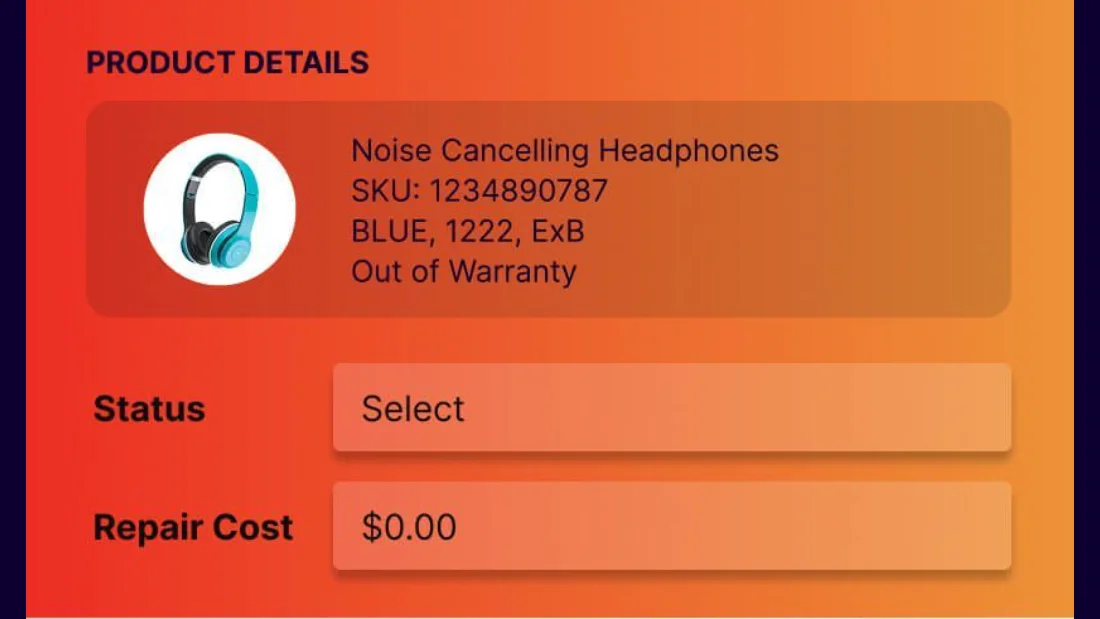
Records and traceability
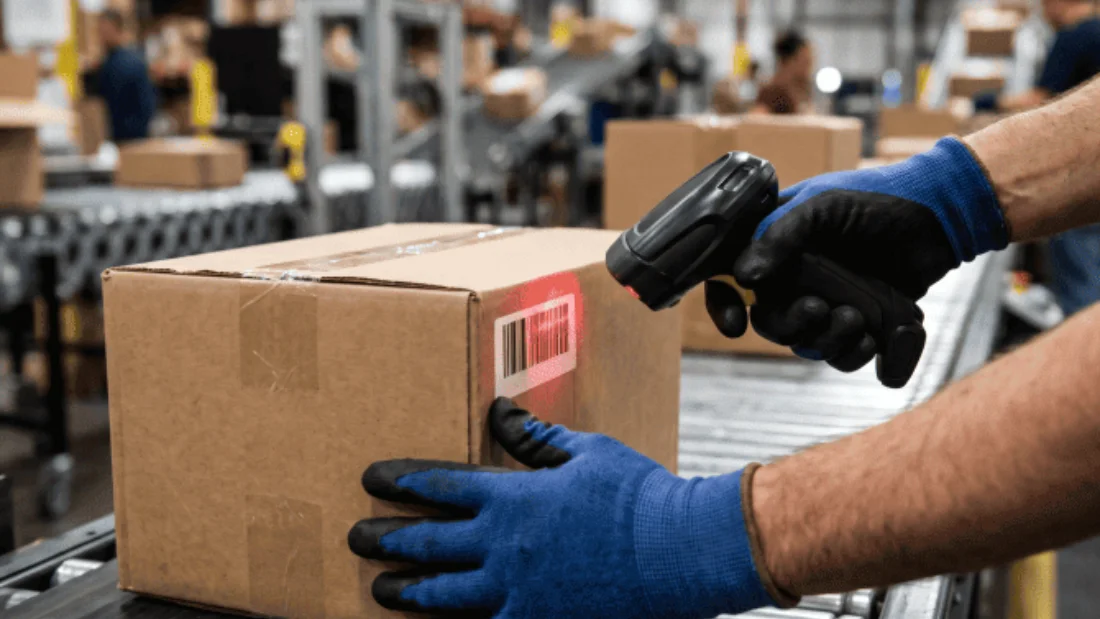
Every unit has a history by serial and lot: reason, condition, decisions, disposition and timestamps. The returns-side and parts inventory module keeps stock counts beside that history. When the quality team asks about a lot, the answer is an export.
See: B2B bulk returns
| Condition at inspection | Typical route | Recorded on the return |
|---|---|---|
| Unopened, within return window | Restock after inspection | Grade, return reason, route, serial, lot, timestamp |
| Field failure under warranty | Advance exchange, unit to depot for evaluation | Entitlement result, fault reason, exchange shipped, serial, lot, timestamp |
| Repairable, under BER threshold | Repair with customer-approved quote | BER score, technician, approved quote, serial, lot, timestamp |
| Beyond economical repair | Replace, unit to part harvest or recycling | BER score, fault reason, route, serial, lot, timestamp |
| Lot or serial under a correction | Hold and route per the quality team’s instruction | Hold reason, instruction received, route, serial, lot, timestamp |
Example configuration. Programs set their own grades, thresholds and routes.
Can Consumer, Distributor and Service Center Returns Run in One Record?
A distributor sends a list of units from a pallet. A customer sends a photo of a cracked charging port through the manufacturer’s portal. A service center reports a unit it repaired twice. All three land in the same system. Bulk upload validates each line against return windows, warranty status and serial, then separates valid lines from rejected ones before authorization. Nobody reconciles two lists, and the history of a unit stays in one place no matter who touched it.
See: B2B bulk returns
One record, every channel
- Consumer claims with photo or video evidence attached at request
- Distributor returns validated line by line before authorization
- Service center repairs and evaluations added to the same unit history
- Credits, replacements and repair requests posted to your ERP
Where Does Warranty and Entitlement Leakage Show Up?
A claim arrives against a serial number the system has already seen. A replacement ships and the failed unit never comes back. Small leaks like these are hard to spot in a spreadsheet. ReverseLogix surfaces patterns that indicate leakage. It does not prevent fraud or guarantee detection.
- Duplicate or invalid serial numbers submitted against warranty
- Claims filed outside the entitlement window
- Repeat-claimant patterns across consumer and distributor channels
- Units authorized for return but never received
- Refurbished units re-entering stock without a corrected serial and condition record
Your ERP Stays the System of Record
ReverseLogix authors returns in one place and posts to your systems of record. It integrates with SAP, Oracle, NetSuite, D365, Epicor and SyteLine. It exchanges data with CRM and field service platforms, and with the quality system where one exists. It does not replace any of them. Where your process does not match a standard template, the ReverseLogix team scopes and implements the configuration.
See: integrations
Records for FDA Complaint Files and EU MDR Vigilance
A quality engineer is building a complaint file and needs the serial, the lot, what the customer reported, the condition on receipt and what happened to the unit. ReverseLogix is not a quality management system. It does not manage regulatory obligations and does not decide whether an event is reportable. It keeps the returns record and exports it. The obligation sits with the manufacturer’s quality and regulatory teams, and ReverseLogix supplies the record they draw on: serial, lot, reason, condition, disposition and timestamps.
In the United States, manufacturers work under 21 CFR Part 820, now the Quality Management System Regulation, aligned to ISO 13485 and effective 2 February 2026. Related rules cover medical device reporting (21 CFR Part 803), corrections and removals (21 CFR Part 806) and unique device identification (21 CFR Part 830). In the European Union, Regulation (EU) 2017/745 sets post-market surveillance, vigilance and UDI requirements. The manufacturer decides what each rule requires. The returns record is one input.

The backend has been heavily upgraded with the ReverseLogix solution, and it has given us quite a few benefits in managing RMAs, reporting, overview and fraud mitigation.
Martin Arthur de Julienhort Hartvigsen, Jabra
Consumer audio and hearing, warranty and repair
Your next questions, answered
Article
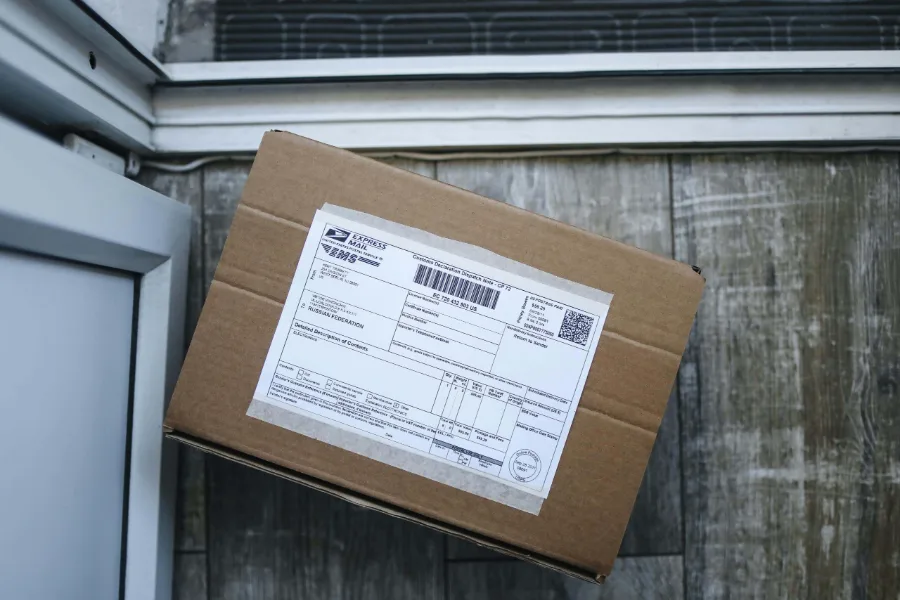
What Is an Advanced Exchange?
Read the article →

Article
B2B Reverse Logistics for High-Value Equipment
Read the article →
Calculator
How much are returns costing you? Run the ROI calculator
Run the numbers →
Compare
How does ReverseLogix compare with other returns platforms?
See how we compare →
Frequently asked questions
Medical device returns management software runs a returned or failed device through intake, entitlement, inspection, BER scoring, repair and disposition in one system, with a history kept by serial and lot. ReverseLogix serves manufacturers, distributors and authorized service centers. It is not a quality management system and not a consumer warranty product.
Every return is tied to a serial number from the first claim. Receiving, inspection, repair and disposition steps are written to that unit’s record with the lot, the reason, the condition and a timestamp. When someone asks where a lot went, the team exports the history instead of rebuilding it from emails and spreadsheets.
Yes. When a serialized unit passes the warranty entitlement check, the replacement can ship before the failed device arrives. The exchange, the authorization and the receipt of the original are linked on one record. If the original never arrives, the system flags the unit as authorized but never received.
BER scoring compares the condition of a unit and the cost to fix it against a threshold your team configures. Units under the threshold go to repair with a customer-approved quote. Units over it go to replacement, part harvest or recycling. The score and the route are written to the record.
No. ReverseLogix keeps the returns record and posts to your ERP, integrating with SAP, Oracle, NetSuite, D365, Epicor and SyteLine. It also exchanges data with CRM, field service and the quality system where one exists. Complaint decisions and reportability calls stay in your quality system with your quality team.
No. ReverseLogix does not manage regulatory obligations or decide what is reportable. Those calls stay with your quality and regulatory teams and your quality system. ReverseLogix supplies the returns record they draw on, serial, lot, reason, condition, disposition and timestamps, and exports it when the file needs it.
Yes. Consumer, distributor and service center returns run in one record, so each party adds to the same unit history. Bulk upload validates every line against return windows, warranty status and serial before authorization. The manufacturer sees the whole return, and nobody reconciles separate lists.
See Where Your Returns Record Has Gaps
A specialist walks through your intake, entitlement and disposition flow and shows where serial and lot history breaks, before any demonstration.


