

Fashion Returns Management Software for apparel, footwear and sporting goods brands that live with returns
Fashion returns management software for apparel, footwear and sporting goods brands. Every return graded, routed and recorded, from first photo to resale.
Monday morning, and the wall of boxes is back. Two sizes ordered to keep one, a jacket worn once. ReverseLogix is returns management software for fashion, apparel, footwear and sporting goods brands and retailers. It manages each return from authorization through inspection, grading and disposition, across DTC and wholesale, and passes credits and inventory movements to your ERP and WMS, which remain the systems of record.
Returns teams using ReverseLogix include:





Where Apparel and Footwear Returns Lose Value
Apparel and footwear carry some of the highest return rates in retail. Retailers expect 19.3% of online sales to be returned in 2025, according to the NRF 2025 Retail Returns Landscape report. In the EU, the European Environment Agency estimates that about 20% of clothing and 30% of footwear bought online is returned.


Shoppers order two sizes to keep one
A small, a medium and a large go out, and two come back. Every unworn size still needs receiving and grading, so fast restock matters more than restriction.

Wardrobing hides in ordinary returns
The dress went to the wedding and came back Monday. Wardrobing returns an item after it has been worn, and it looks like any other return until someone checks for wear, removed tags or washed labels.

One tag changes what a jacket is worth
Unworn with tags, it goes back on the shelf. Worn once, it belongs in outlet. When grading depends on who opens the box, identical items recover different value.

The season keeps moving
A winter coat returned in March recovers less than the same coat returned in October. Dock time costs value.
One Returns Lifecycle, Configured for Apparel, Footwear and Sporting Goods

Intake and authorization
The best time to grade a return is before it ships. Branded portals issue returns for shoppers, stores and wholesale accounts. With Vision AI, shoppers upload photos at initiation, and the item is matched, checked and pre-graded before a label is issued.
See: returns initiation, RMA software, Vision AI photo verification
Inspection and grading
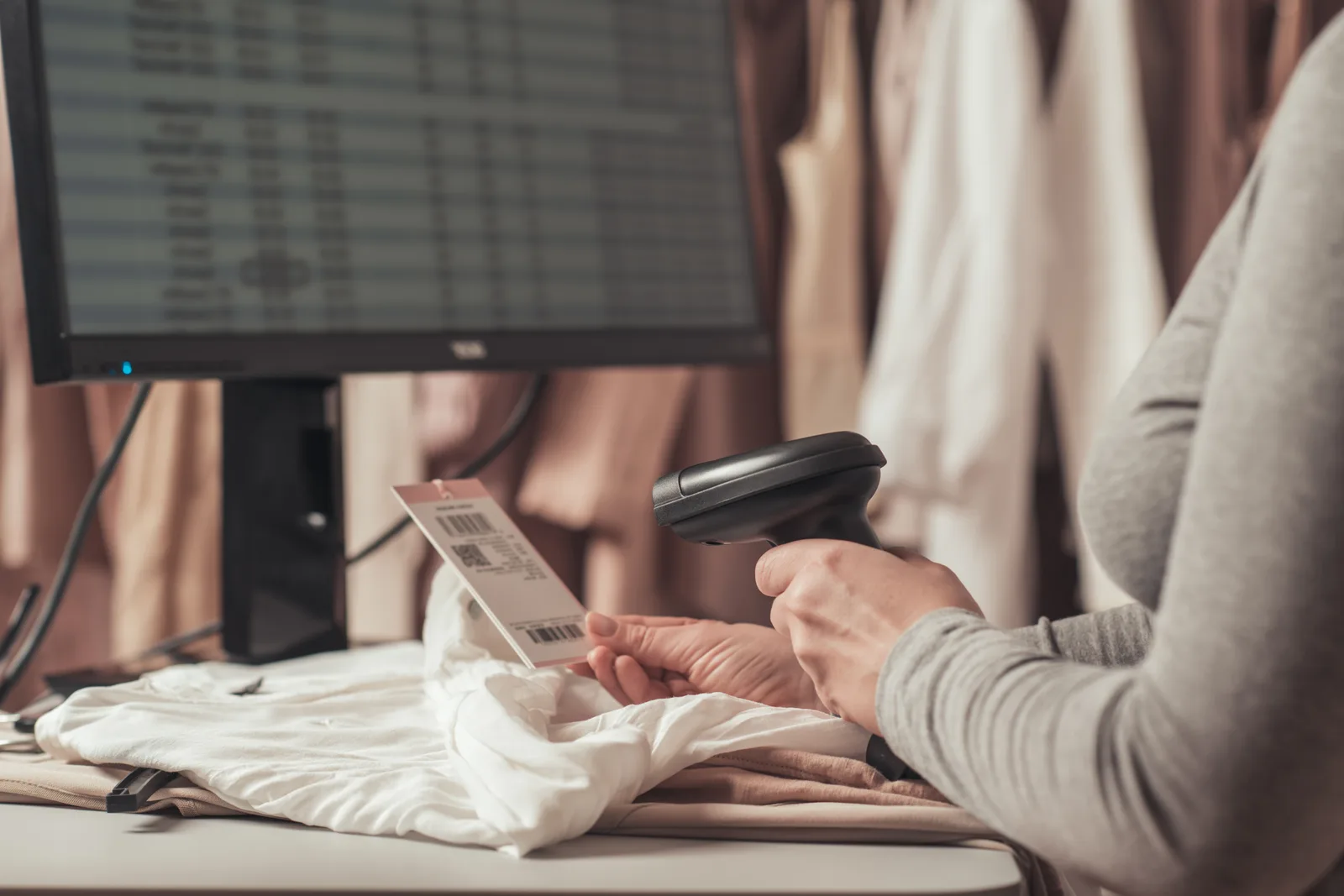
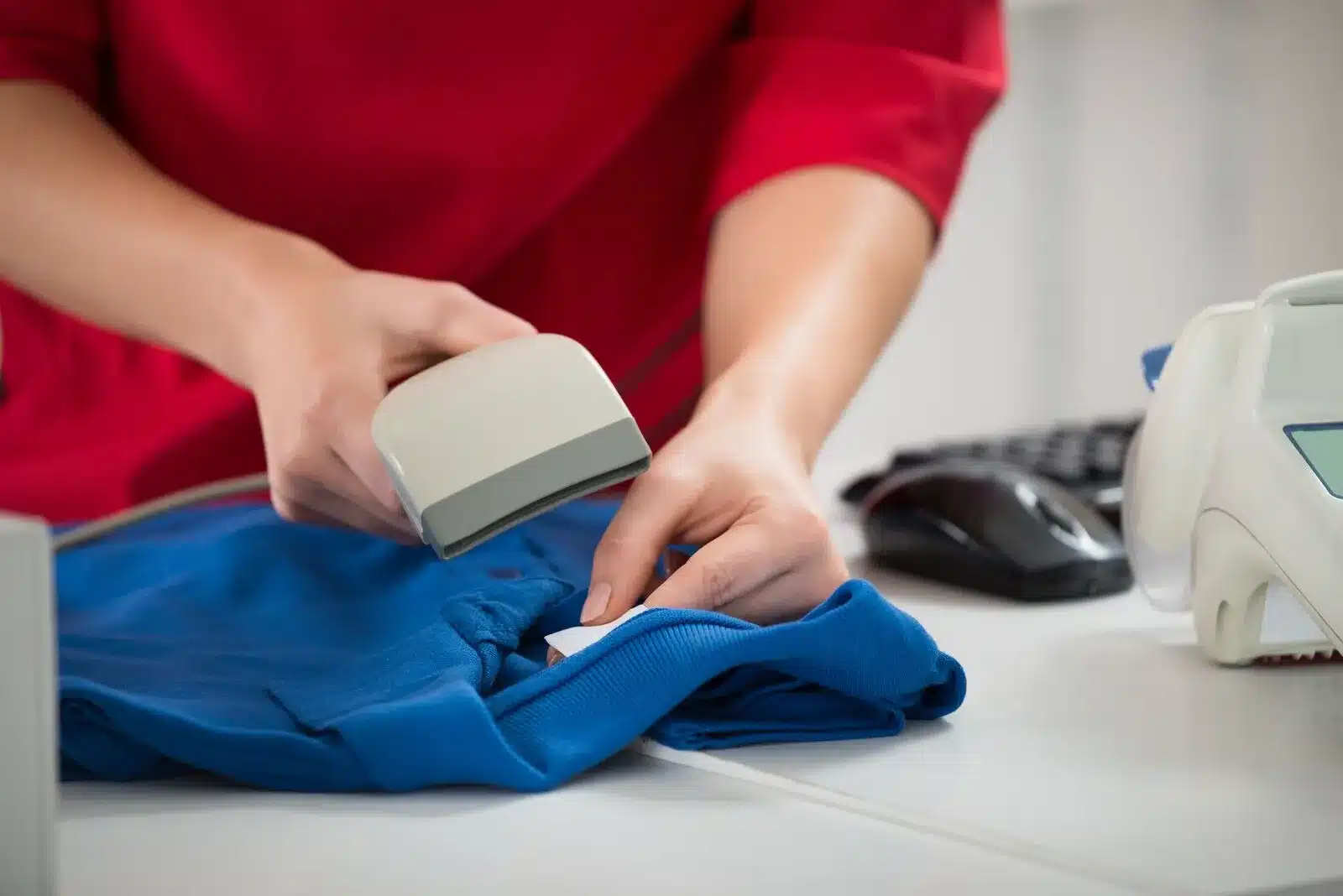
Every box on the bench needs a decision, whoever is on shift. Guided workflows capture condition against standardized, SKU-level grading criteria. Units pre-graded by Vision AI arrive with a recorded condition for the associate to confirm.
See: returns processing
Disposition routing
Rules route each graded unit to restock, re-ticketing, outlet, recommerce or donation, with recycling reserved for units that cannot be reused. Every decision is written to the return record.

Resale and recovery
Graded stock moves into resale and recommerce while it still carries seasonal value.
See: recommerce
| Condition at inspection | Typical route | Recorded on the return |
|---|---|---|
| New with tags, unworn | Restock to sellable inventory | Grade, reason code, route, timestamp |
| Unworn, tags removed or packaging damaged | Re-ticket, repackage or outlet | Grade, reason code, route, timestamp |
| Light wear or minor marks | Recommerce or outlet | Grade, reason code, route, timestamp |
| Worn but usable | Donation or reuse partner | Grade, reason code, route, timestamp |
| Unsuitable for reuse | Recycling, with the reason documented | Grade, reason code, route, timestamp, justification |
Example configuration. Brands set their own grades and routes.
DTC and Wholesale Apparel Returns in One Record
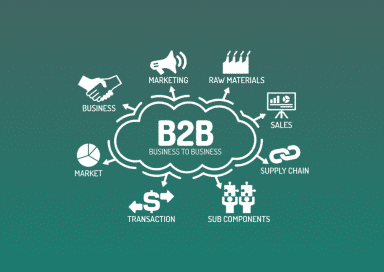
A wholesale return is not a shopper with a shoe box. ReverseLogix runs DTC and wholesale side by side in one system, each with its own approval rules, credit logic and portal, so you see everything that came back. Wholesale returns, including return-to-vendor (RTV) authorizations and retailer chargebacks, are handled in the same record. Returns post back at style, colour and size level, so restock and markdown decisions draw on the same variant data merchandising already plans with.
See: B2B bulk returns

Wardrobing Detection and Condition Mismatch Checks
You can feel it when a return is off. The NRF 2025 Retail Returns Landscape report found that 9% of all returns are fraudulent. ReverseLogix checks apparel returns twice. At initiation, Vision AI reads the shopper’s photos before a label is issued. At inspection, associates see any flag alongside the item’s return history, and the decision stays on the record.
- Wear, missing or reattached tags, or washed labels visible in return photos
- A photographed item that does not match the style, colour or size sold
- Return frequency by customer and product
- Returns outside the configured policy window
- Condition at inspection that does not match the stated reason
Your ERP Stays the System of Record

ReverseLogix authors the return record and passes dispositions, credits and inventory movements to your ERP, the system of record for finance and product data, and your WMS, which handles inventory. The ReverseLogix team scopes and implements integrations to match your policies, channels and sites.
See: integrations
EU Destruction Ban: Disposition Records for Returned Apparel
Since 19 July 2026, Article 25 of the EU Ecodesign for Sustainable Products Regulation (ESPR) has prohibited large companies from destroying unsold apparel, clothing accessories and footwear. Medium-sized companies follow from 19 July 2030. The ESPR definition of an unsold product includes items a consumer returns under the right of withdrawal, and recycling counts as destruction under the ban. Where a derogation applies, supporting documentation must be kept for five years. The European Environment Agency has estimated that about a third of returned clothing bought online in the EU ended up destroyed.
ReverseLogix records grade, route, reason code and timestamps for every returned unit, and exports that data for internal audit or to your compliance management system. Obligations and classification stay with your compliance and legal teams.
“Product are tried on, repackaged, or wrinkled, and that all has to be processed in a professional way.”
Kai Bahlman, Amer Sports
Sporting goods and outdoor apparel
Explore Fashion and Apparel Returns Workflows




Fashion returns management software: questions and answers
Fashion and apparel returns management software controls a returned garment, pair of shoes or item of sporting equipment from authorization through inspection, condition grading and disposition. It runs DTC and wholesale returns under separate rules, records each unit’s grade and route, and passes credits and inventory movements to the ERP and WMS.
Online shoppers cannot try items on, so fit and sizing drive a large share of apparel returns, and bracketing multiplies them. The European Environment Agency estimates that about 20% of clothing and 30% of footwear bought online in the EU is returned. Shoppers order more than they need because returning is the only way to find the right size.
Bracketing is ordering several sizes or colours to keep one and return the rest. It is expected behaviour that adds grading volume. Wardrobing is wearing an item and returning it as unused, which is return abuse. Returns software should restock bracketed items quickly and check wardrobed ones for wear, tags and labels.
Yes, for items returned under the consumer’s right of withdrawal. The ESPR counts those returns as unsold products, so from 19 July 2026 large companies cannot destroy returned apparel, clothing accessories or footwear unless a derogation applies. Recycling counts as destruction under the ban, so keep a documented reason for any unit you route there.
DTC returns arrive as individual parcels from shoppers and are refunded or exchanged per order. Wholesale returns come from retail accounts, usually in larger quantities, and are settled through credits, return-to-vendor authorizations or chargebacks under the account’s terms. ReverseLogix runs both in one record, so nobody reconciles two systems.
With ReverseLogix Vision AI, shoppers upload photos when they start a return. The model matches the item to the one sold, looks for wear, missing tags and washed labels, decides eligibility before a label is issued, and pre-grades the unit so it can be routed on arrival.
No. In a ReverseLogix deployment, the ERP remains the system of record for finance and product data, and the WMS handles inventory. ReverseLogix authors the return record and passes dispositions, credits and inventory movements to those systems, so finance keeps working in the tools it already trusts.
Further reading: National Retail Federation research on retail returns.
Start With a Discovery Call
Share your return volumes, channels and connected systems. A returns specialist will map where ReverseLogix fits and what configuration involves.


