

Returns processing software: every unit received, inspected, graded and routed by your rules
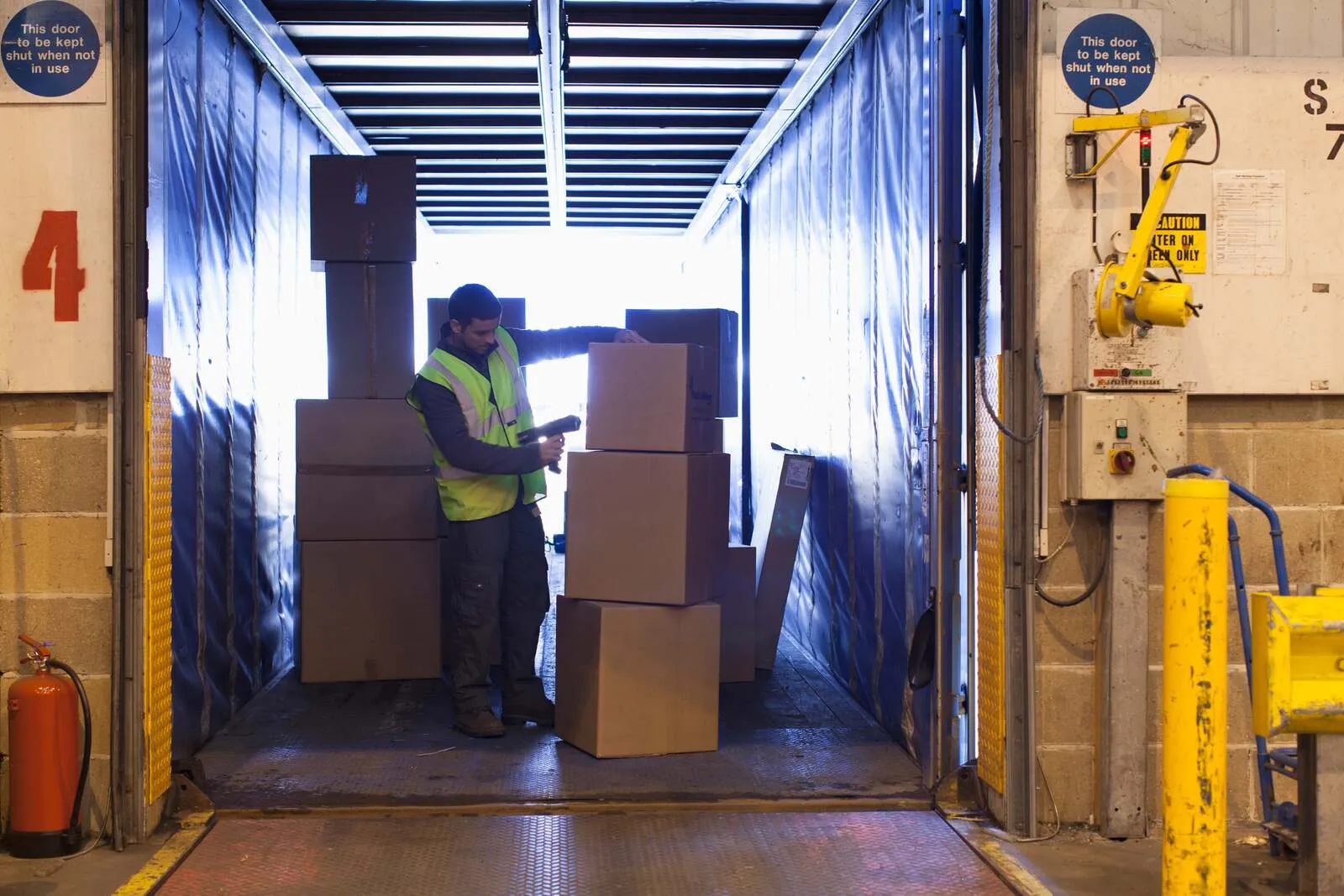
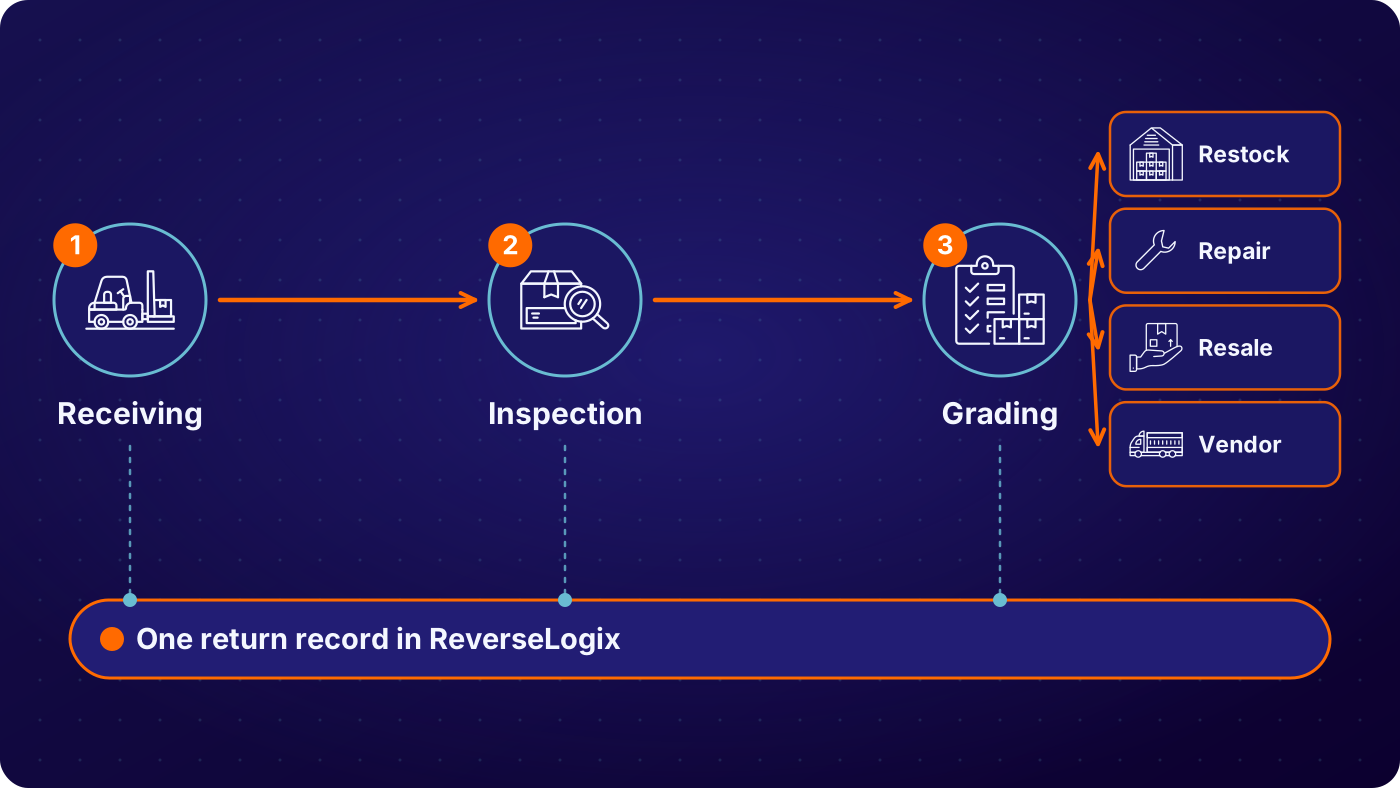
A pallet of returns hits the dock. ReverseLogix runs RMA processing unit by unit: each unit is matched to its RMA, graded and routed to restock, repair, resale or return to vendor, on one record.





State of returns processing: what the numbers say
$849.9B
Merchandise US retailers expected back in 2025, 15.8% of annual sales.
NRF, 2025 Retail Returns Landscape
£7bn
Estimated yearly cost of returns to UK retailers.
KPMG
40%
Share of US retailers charging for returns who cite the rising cost of processing them.
NRF, 2025 Retail Returns Landscape
15%
Less warehouse time spent on returns, as ReverseLogix customers report.
ReverseLogix customer data
What makes returns processing different
- Every box is its own decision. Two units of the same SKU can need opposite outcomes: one goes back on the shelf, the other goes to the vendor with a chargeback. Processing decides unit by unit, against the order, the claim and the condition.
- The clock runs on resale value. A returned jacket loses value every week it waits in a receiving bay. Processing speed is a margin decision, and it shows up in your recovery rate.
- Finance needs the same answer. The credit, the refund and the inventory adjustment all depend on what inspection found. When the grade lives in a spreadsheet, month-end reconciliation starts from guesswork.
Why returns processing needs its own strategy
Most enterprises process returns with whatever the forward systems allow: an RMA screen in the ERP, a receiving task in the WMS and a spreadsheet for grades. Each tool records part of the return, and nobody owns the decision in the middle. A returns processing strategy sets the inspection and grading standard, the disposition rules and the hand-off to finance before the first box is opened, so the same unit gets the same outcome at every site. It also settles what the ERP receives: one clean credit and one inventory movement per unit.
How to streamline your returns workflow from intake to disposition

How to evaluate returns processing software
Grading you can standardise. Ask to see a grade scale configured for one of your product families, with the checks an inspector must complete before a grade saves. If grading depends on free-text notes, results will vary by shift and by site.
Disposition rules that run on their own. Each grade should map to a route (restock, refurbish, repair, return to vendor, liquidate or recycle) by rule, with thresholds by SKU value. Check who can change a rule and how that change is recorded.
One record from RMA to credit. The RMA, the receipt, the inspection photos, the grade and the credit should sit on one return record. Ask the vendor to show how a finance analyst traces a credit back to the unit that triggered it.
Postings to the ERP, made once. The ERP stays the financial system of record. Confirm that receipts, credits and inventory movements post to SAP, Oracle, NetSuite or Dynamics 365 without re-keying, and ask what happens when a posting fails.
Where returns processing leaks cost and margin
Units waiting for inspection. Cost: resale value falls while units sit, and seasonal stock misses its selling window. Fix: receiving queues ordered by priority and value, so high-value units are graded first.
Grades that vary by inspector. Cost: sellable stock gets liquidated, and damaged stock gets restocked, sold and returned again. Fix: one grade scale per product family, with required checks before a grade saves.
Refunds released before inspection. Cost: credits paid on boxes that came back empty, damaged or swapped. Fix: release the refund or credit on receipt and inspection, with Vision AI photo checks where the product warrants them.
Re-keying between systems. Cost: staff hours on swivel-chair work and posting errors found at month-end. Fix: post receipts, credits and inventory movements once, from the return record, to the ERP and WMS.
Bring one week of receiving data, and we will show you where units wait and what the wait costs.
What running returns processing on one system changes
- The same unit gets the same grade at every site. A returns bench in Memphis and one in Venlo apply the same grade scale and the same checks, because both run on one configuration. Regional rules, such as EU withdrawal windows or local recycling requirements, sit on top of the shared standard.
- Disposition is decided at the bench. Automated returns processing starts at the bench: once a grade is saved, the route is set by rule. Inspectors stop making policy calls, and the unit moves to restock, repair, resale or vendor recovery without waiting for a supervisor.
- Finance sees what operations saw. Credits, refunds and inventory movements carry the inspection result and photos with them, so month-end becomes a review of exceptions. Genesco cut its cost per return after moving its returns onto ReverseLogix.
- Faster returns, measured. Samsonite processes returns 50 to 60 percent faster than it did on a legacy SAP system, and Amer Sports doubled the number of returns it processes on ReverseLogix.
What this looks like in practice
A footwear retailer in January. Return volume triples after the holidays. Units are queued by resale value and graded against one scale, so unworn pairs go back to sellable stock first and worn pairs route to outlet.
An electronics manufacturer’s warranty return. A headset arrives under warranty. Inspection confirms the serial number and the fault, the grade routes it to the repair depot, and the warranty claim and the repair order share the return record.
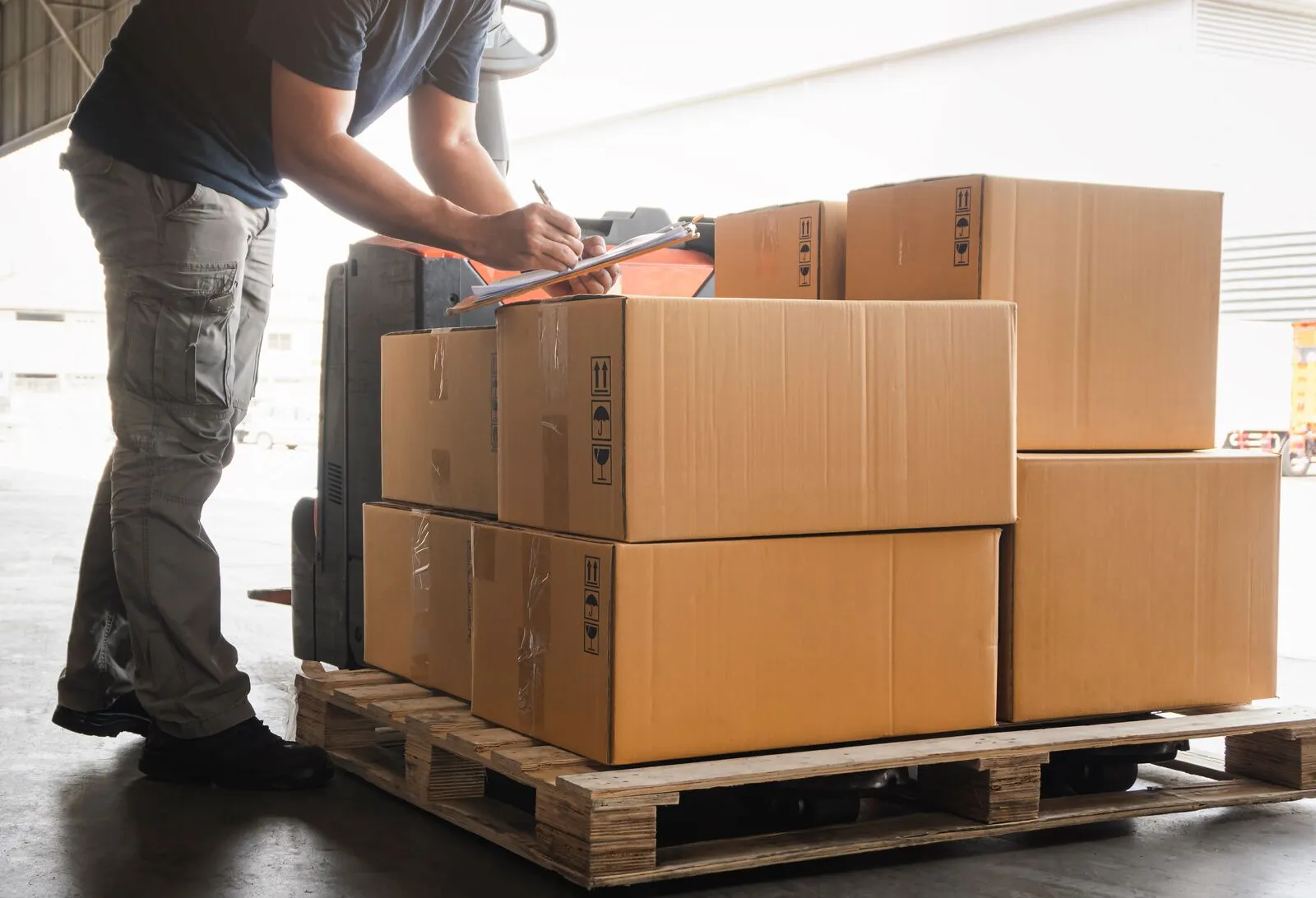
An appliance maker’s freight return. A dealer sends back a damaged range on a pallet. Receiving logs the freight damage with photos, the unit routes to refurbishment or salvage by repair cost, and the carrier claim draws on the same evidence.
A distributor’s bulk RMA. A distributor returns 200 units against one RMA. Each unit is scanned and graded, overstock goes back to inventory, defects go to the vendor with a chargeback, and the distributor’s credit reflects what actually arrived.
How ReverseLogix runs returns processing as one governed workflow
Receive against the RMA. Each unit is scanned against its RMA at the dock. Unexpected items, short shipments and wrong SKUs are flagged at receipt, before anyone spends inspection time on them.
Inspect and grade. Inspectors follow the checklist for the product family and save a grade with photos. Where condition or fraud is hard to judge, Vision AI compares the item with the order and the claim and suggests a grade at a confidence threshold you configure.
Route and post. The grade sets the disposition by rule: restock, refurbishment, repair, return to vendor, liquidation or recycling, each with its own next step. Receipts, credits and inventory movements post to your ERP and WMS once.
When ReverseLogix is the right fit for returns processing, and when it is not
A good fit if
- You receive returns at more than one site, or through more than one channel: consumer, dealer and distributor.
- Grades and disposition decisions vary by inspector or by site today.
- Returns feed warranty claims, repair or vendor recovery as well as restock.
- Your ERP is SAP, Oracle, NetSuite, Dynamics 365, Epicor or SyteLine, and finance needs clean postings from returns.
- Your annual revenue sits between $50M and $5B or more.
Probably not a fit if
- You are a direct-to-consumer brand under $50M, and returns are refund and restock.
- You need a shopper-facing returns portal and nothing behind it.
- Your volume is low enough for one person to grade every return by hand without falling behind.

Map your receiving flow against one governed workflow, site by site.
Data security, access control and compliance
- ISO 27001. A security questionnaire from a European retailer lands on a Friday. ReverseLogix is ISO 27001 certified, so the review starts from an audited information security management system.
- SOC 2. ReverseLogix holds a SOC 2 Type II attestation, so auditors and security teams review controls tested over time.
- Access control. Role-based permissions, single sign-on and a log of grade and rule changes control who can see and change returns data, so access is reviewed from one place.

Integrations
Returns processing posts to the systems you already run.
- ERP: SAP S/4HANA, SAP Repair Module, Oracle, NetSuite, Microsoft Dynamics 365 F&O, Infor SyteLine and Epicor
- CRM and service: Salesforce, HubSpot, Zendesk and Freshdesk
- WMS and OMS: standard connectors, plus custom systems through a REST API or EDI
- Carriers: FedEx, UPS, DHL, USPS and regional carriers, with labels and tracking events on the return record
Returns processing questions, answered
Returns processing software, sometimes called a returns processing system, runs the operational half of a return: receiving the unit against its RMA, inspecting and grading it, setting its disposition, and posting the credit and inventory movement to your systems of record. In ReverseLogix it is one part of a returns management platform that also covers returns initiation, warranty claims, repair depot, B2B returns and recommerce.
RMA processing is the work that follows a return authorization: receiving the unit against its RMA number, inspecting it, deciding its disposition and issuing the credit, replacement or repair. ReverseLogix runs those steps on one record and posts the result to your ERP. Creating and approving the RMA itself sits in RMA software.
Returns management covers the whole lifecycle, from the customer’s request to the final credit and disposition, and returns management software runs all of it. Returns processing is the warehouse part: receipt, inspection, grading and routing. It is where most of the handling cost and most of the recoverable value sit.
Most ERPs record a return receipt and issue a credit memo. Few hold inspection checklists, grade scales, photos and rule-based disposition by SKU. ReverseLogix runs those steps and posts the results to SAP, Oracle, NetSuite, Dynamics 365, Epicor or SyteLine, so the ERP stays the financial system of record.
Each product family gets its own grade scale and inspection checklist. Every site works from the same configuration, with regional rules added where law or policy differs. A rule changed centrally applies at every site.
Automation covers the decisions that repeat: matching units to RMAs at receipt, applying the grade scale, routing each grade to its disposition by rule, and posting credits and inventory movements. Inspectors handle the judgement calls, with Vision AI checks where condition is hard to see.
Vision AI works alongside inspectors. It compares the received item with the order and the claim, flags mismatches and suggests a condition grade at a confidence threshold you configure. The grade feeds the same disposition rules as a manual grade.
Standard implementation takes 4 to 6 weeks, based on ReverseLogix deployment data. Scope depends on the number of sites, product families and ERP connections, which the Returns Assessment maps before go-live is planned.
RMA stands for return merchandise authorization, sometimes written return material authorization. It is both the approval to send a product back and the reference number that follows the return through receiving, inspection and credit.
In ecommerce, an RMA is the approval a seller gives before a customer sends an item back. The RMA number ties the return to the original order, so the warehouse knows what is arriving, why it is coming back, and what refund, exchange or repair was agreed.
Further reading: National Retail Federation research on retail returns.
See returns processing run end to end
Bring a sample of last month’s returns, and we will walk it from the dock to the ERP posting.
4 to 6 weeks
Standard implementation, based on ReverseLogix deployment data.
Book a Returns Assessment with our team.


