

Enterprise Ecommerce Returns Management Software beyond the storefront returns app
One returns system for every store, region, wholesale account and warehouse, with the refund and the ERP posting tied to the box.
Enterprise ecommerce returns management software is the system a large online retailer or brand uses to run every return, across stores, regions, wholesale accounts and warehouses, from the customer’s request to inspection, refund and disposition. It starts where a storefront returns app stops. The app makes a label. A parcel then crosses a border, lands on a dock, and nobody is sure which system knows about it. ReverseLogix is enterprise ecommerce returns software for brands and retailers that sell direct, through wholesale and across regions. It runs the customer portal on your own domain, receiving, inspection, grading, refund timing and disposition in one system, and posts the result to the ERP, WMS and commerce platform you already run.
Returns teams using ReverseLogix include:


Why Do Storefront Apps Fall Short of Ecommerce Returns Management Software at Scale?
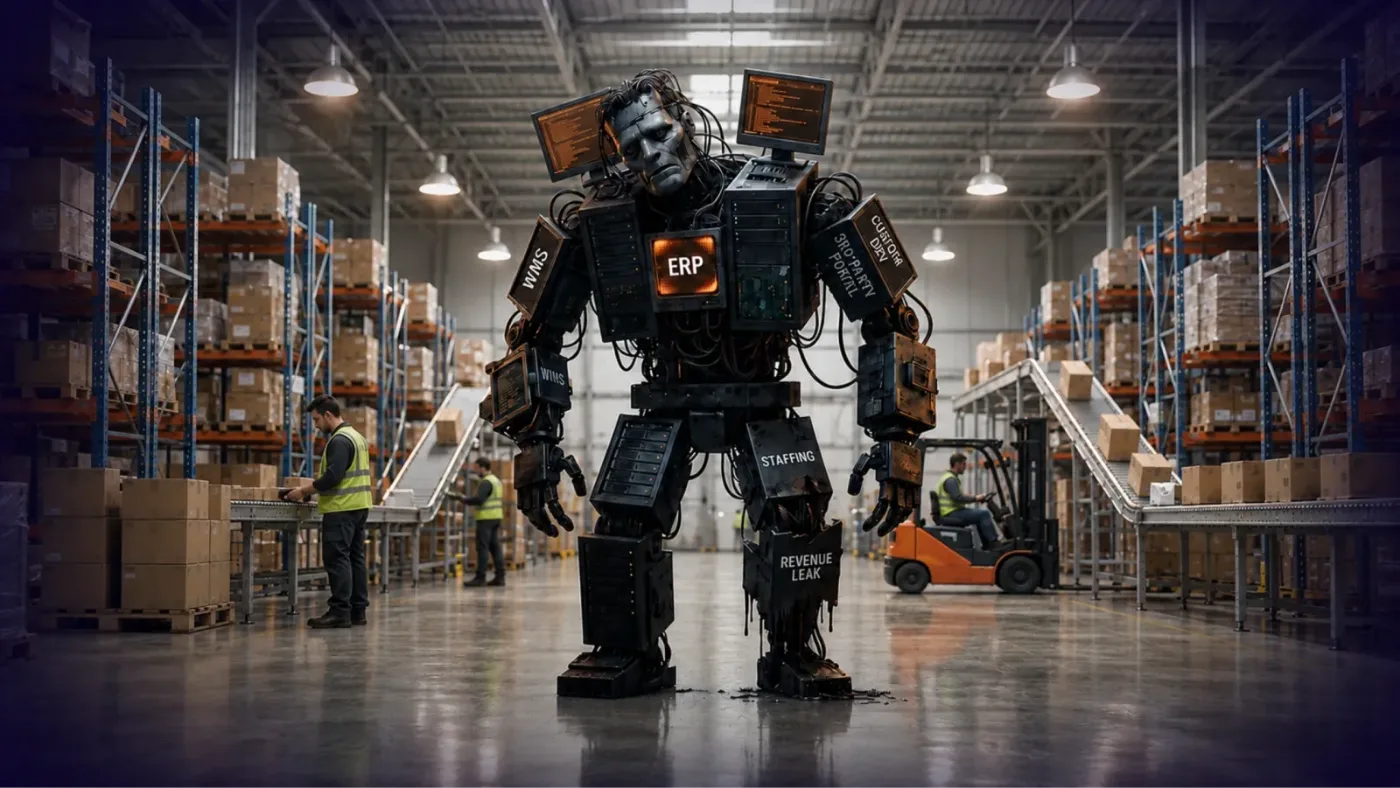
A storefront app is built for one shop and one warehouse. Then you add a second region, a wholesale account and a 3PL, and the returns team is back in spreadsheets, swivelling between screens to keep the refund, the stock and the ledger in step.
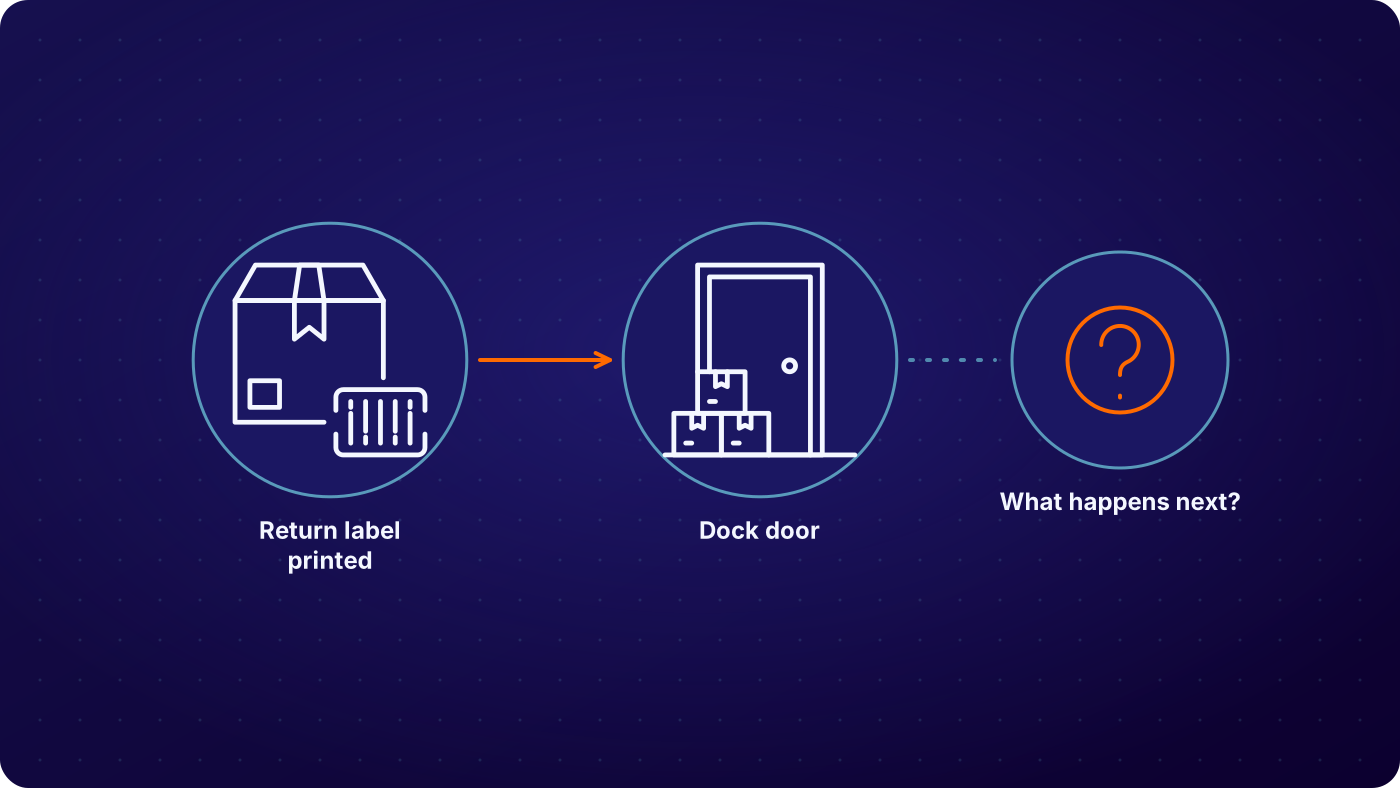

The app stops at the label
It creates the return and prints the label. Then the box goes into a black hole. Receiving, inspection, grading and disposition happen somewhere else, and nobody can say where a return is or what state it is in.

Every store and region brings its own rules
Return windows, fees, carriers, warehouses and refund methods differ by store, country and product line. One global rule set is wrong somewhere, and one rule set per store means a lot of copies to keep in step.

Wholesale returns land at the same dock
A retail partner sends back forty cartons against a credit memo while a shopper sends back one pair of shoes. Two processes, two spreadsheets and the same receiving team, with double handling in between.

Abuse grows with volume
At scale, a small share of bad returns is a large number of units. Wrong items, empty boxes and repeat claimants are hard to see when each store and region keeps its own list.
How Do You Run Consumer, Wholesale and Warranty Returns on One System?
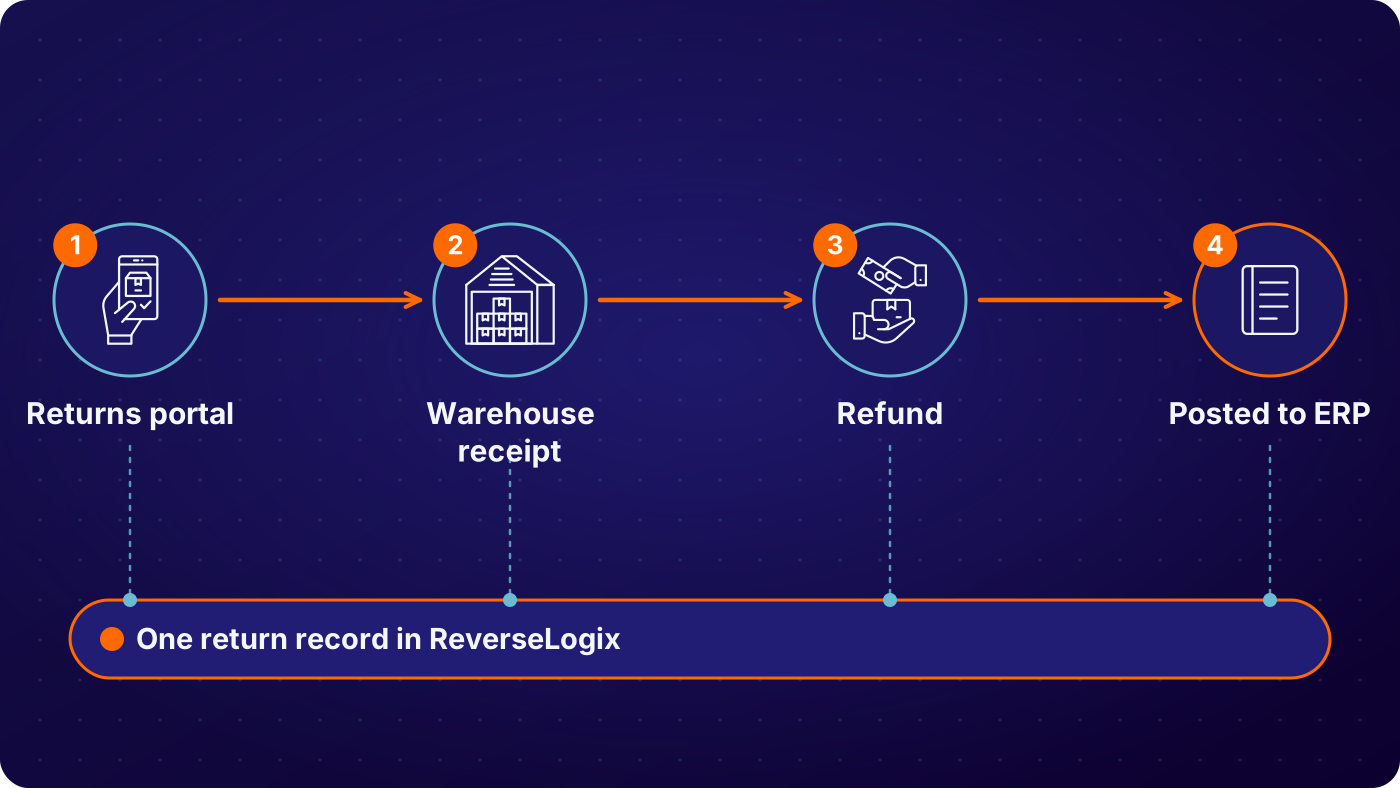
The customer starts the return on your domain
The portal runs on your own domain, matched to your brand. The customer or the service agent enters the order, and the system applies the rules for that store, region, product and reason. It checks eligibility, captures photos or video where the reason calls for it, and issues a label from any of over 400 carriers in more than 100 countries. Wholesale accounts start from a list instead of a single order.
See: returns initiation, B2B bulk returns
The warehouse receives against the return
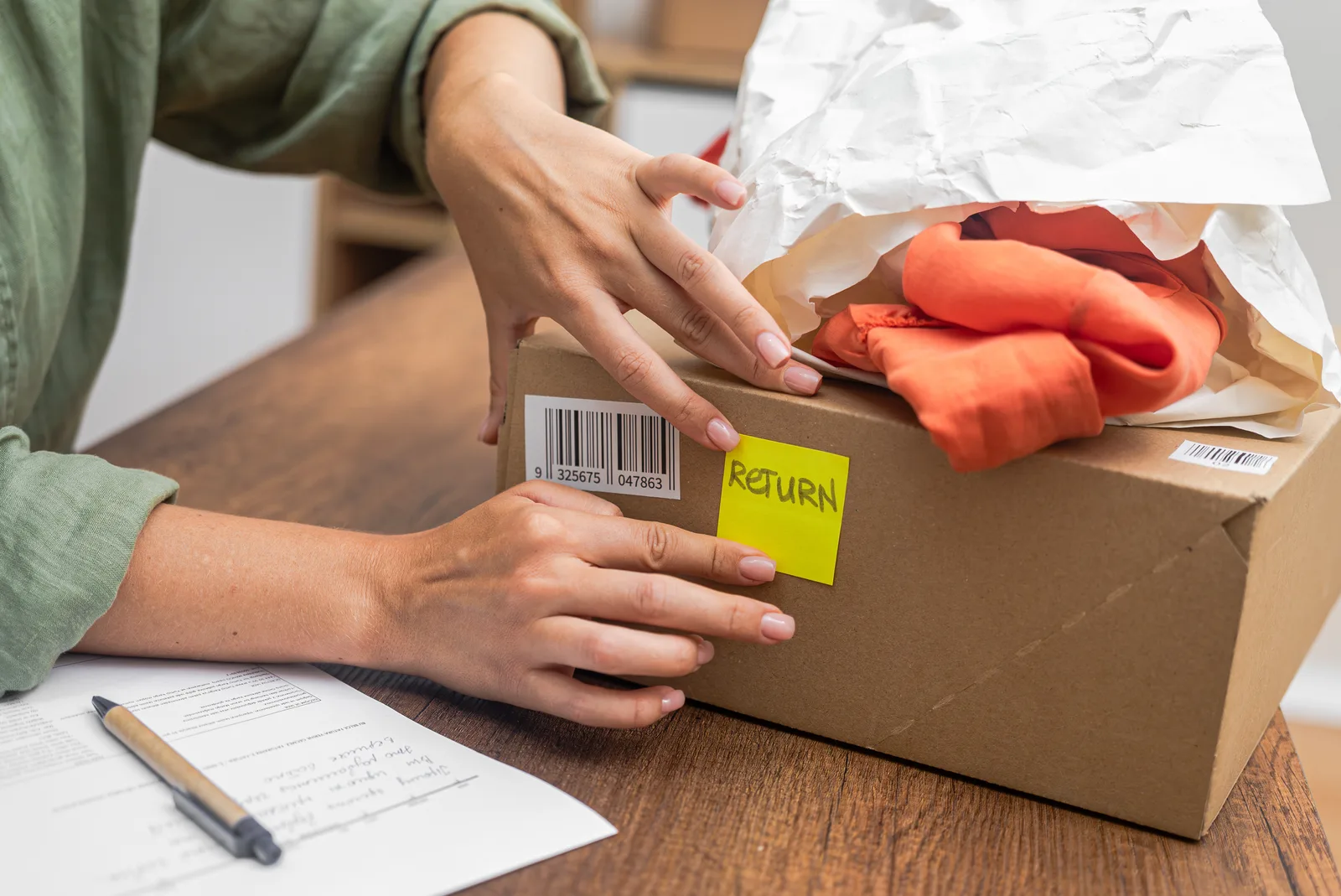
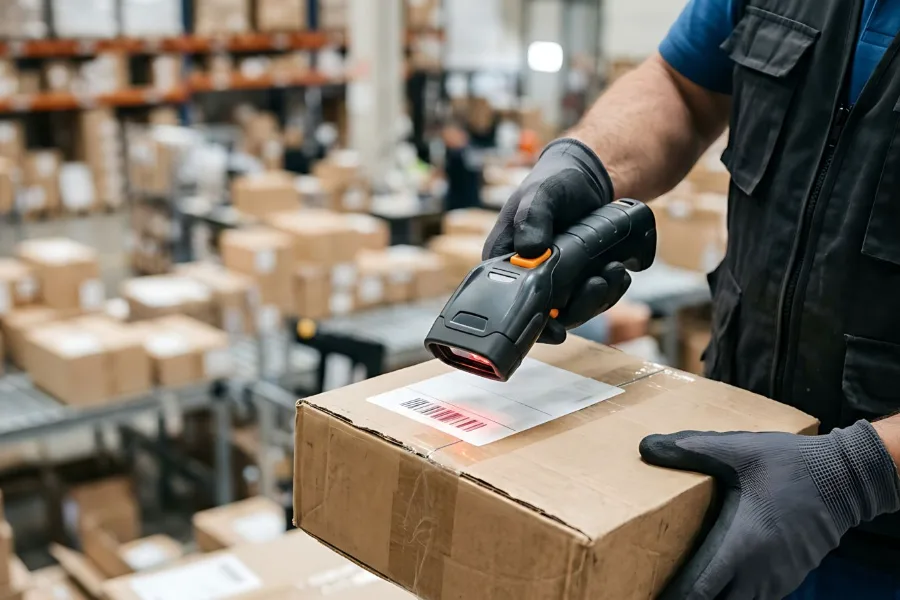
The box is scanned and matched to its return. A box with no match is held as a blind receipt, not lost. The unit is inspected and graded against criteria set for that SKU. Grade, photos and serial go on the record. Any warehouse, yours or a 3PL’s, works from the same instructions.
See: returns processing
The refund follows custody, and disposition follows the grade
Refund at custody transfer is the standard trigger, so money moves when the carrier or the dock confirms the box, or when your rules say inspection comes first. Disposition runs by rule: restock, open-box resale, refurbish, repair, return to vendor, liquidate, recycle or destroy. The route is written to the record.
See: recommerce, return to vendor

The result posts to the systems of record
Credits, refunds, stock movements and costs post to your ERP and commerce platform, and status flows back to the order and the helpdesk ticket. Finance sees the same return the warehouse saw. Nobody re-keys a field.
See: integrations
| Condition at inspection | Typical route | Recorded on the return |
|---|---|---|
| Consumer return, in window, sealed | Restock after scan, refund at custody transfer | Order, return reason, scan time, refund trigger, route, timestamp |
| Wholesale account sends a list of twelve lines | Each line checked against the order and terms, valid lines authorized, rejected lines separated | Line result, rejection reason, credit memo reference, timestamp |
| Box arrives with no return on file | Blind receipt hold, matched by serial or order, or contacted | Receipt time, photos, match result, hold reason, timestamp |
| Customer in one region returns to a local warehouse | Store and region rules applied, local carrier label, local disposition | Store, region, warehouse, carrier, route, timestamp |
| Defective under warranty | Replacement shipped or unit sent to repair | Entitlement result, fault reason, shipment, serial, timestamp |
Example configuration. Programs set their own grades, thresholds and routes.
Who Uses Ecommerce Returns Management Software, and What Does Each Team See?
Four teams touch every return, and each needs a different view of the same record. Operations sees what is on the dock and what to do with it. Customer service sees where a return is and can override a rule when a good customer needs one. Finance sees when a refund fired and what it cost. IT sees the messages between systems. They all work from one history, so nobody asks another team for a spreadsheet.
See: operations teams, customer service teams, finance teams, IT teams
One record, four views
- Operations: receiving queue, blind receipts, grades and disposition routes
- Customer service: live status, the reason and sub-reason, rule overrides with a reason on file
- Finance: refund timing, credits, cost per return and reconciliation to the ledger
- IT: message log, errors and retries between ReverseLogix and your systems
What Can You Measure With Ecommerce Returns Management Software?
You can see every return by status, store, region and channel, and measure the time from arrival to final outcome. That answers the questions that stay open when returns live in several tools: how many boxes are waiting on the dock, how long a refund took after receipt, which units were authorized and never arrived. ReverseLogix surfaces the signals and keeps the record. It does not prevent fraud or guarantee detection. Intake checks on serial, frequency and reason flag repeat claimants and mismatches, and Vision AI can grade photos to catch a wrong item before it ships.
- Every return by status, from requested to in transit, received, inspected and refunded
- Days from arrival at the dock to final disposition, by warehouse and region
- Refunds issued without a matching receipt, and receipts with no refund
- Repeat claimants and serial mismatches across stores and channels
- Units authorized for return that never arrived
Does Ecommerce Returns Management Software Replace Our ERP, WMS or Commerce Platform?
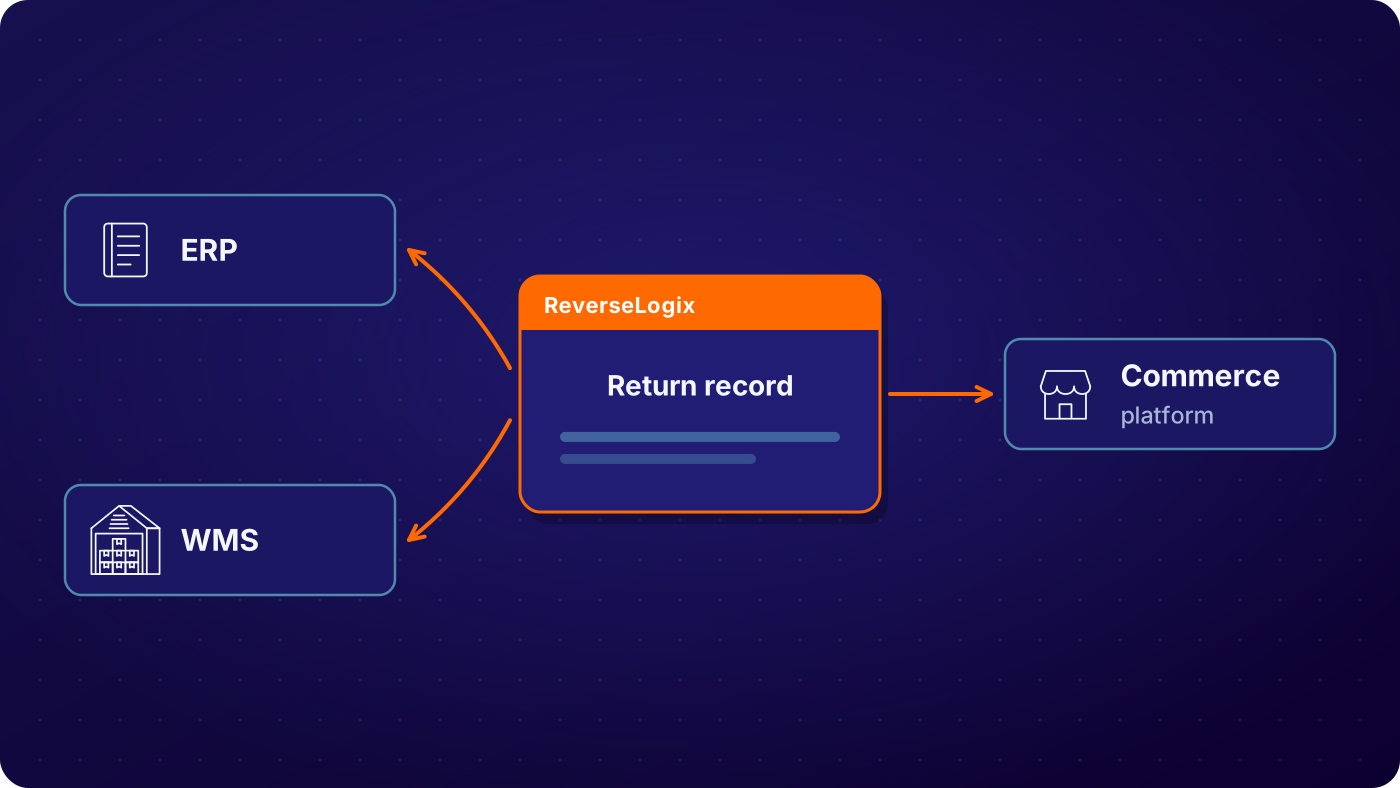
No. Your ERP, WMS and commerce platform stay the systems of record, and ReverseLogix authors the return and posts to them. It integrates with SAP, Oracle, NetSuite and Microsoft Dynamics 365, with Shopify, Magento, BigCommerce, WooCommerce and Salesforce, with WMS platforms including Blue Yonder, Manhattan, Korber and SAP EWM, and with Zendesk, Freshdesk and ServiceNow. It is API-first. The project takes mapped fields, a sandbox, user acceptance testing and a go-live plan, and the ReverseLogix team scopes them with your IT team.
See: integrations, SAP, Oracle, NetSuite, Shopify, implementation
Access, Audit Trail and Controls for a Customer-Facing Returns Portal
A returns portal on your domain holds customer names, addresses and order data, so access has to be deliberate. ReverseLogix uses role-based access, so an agent, a supervisor, a warehouse lead and a finance analyst each see and change only what their role allows. Every record carries a full audit history: who changed what, when, and why an override was made. Certifications are shared during evaluation.
Controls are also how you keep a rule set honest across many stores and regions. Refund thresholds, override rights and disposition routes are set once by an administrator, and changes are recorded. Your security team can review the controls in the evaluation before anything goes live.
See: security
Your next questions, answered



Ecommerce returns management software: questions and answers
Enterprise ecommerce returns management is the process and system that run every return for a large online seller across stores, regions, channels and warehouses. It covers the customer request, the label, receiving, inspection, refund timing, disposition and the posting to the ERP. It differs from a storefront app in that it manages the return after the parcel leaves the customer.
A storefront app handles the request and the label for one shop. Enterprise returns management also runs receiving, inspection, grading, disposition, wholesale returns and ERP posting, across several stores and regions. If your returns team still works from spreadsheets after the label prints, the app has reached its limit. ReverseLogix also integrates with Shopify, so the two can work together.
Yes. Return windows, reasons, conditions and destinations are configurable by SKU, category and reason, and ReverseLogix works with over 400 carriers in more than 100 countries. How far store and region rules can differ inside one instance is scoped during implementation, so bring your list of markets and warehouses to the first call.
Yes. Consumer and wholesale returns share one record and one warehouse process. A wholesale account submits a list, and bulk upload checks each line against the order and terms before authorization. Valid lines move forward, rejected lines are separated, and credits post to your ERP. Your dock team no longer works from two separate processes.
Yes. The customer portal runs on your domain and is matched to your brand, so the customer stays in your experience from request to refund. Your service agents can work the same return from the back office, including overrides where a rule says no and the customer deserves a yes.
No. ReverseLogix keeps the returns record and posts to your systems of record. It integrates with SAP, Oracle, NetSuite and Microsoft Dynamics 365, and with WMS platforms including Blue Yonder, Manhattan, Korber and SAP EWM. Your ERP and WMS stay the source of truth for inventory and finance, and no one re-keys data between them.
It surfaces signals and keeps the evidence. It does not prevent fraud or guarantee detection. Intake checks compare serial, frequency and reason, and Vision AI can grade photos to flag a wrong item before it ships. Your team decides what to do with each case, with photos, grades and the full unit history in front of them.
Standard go-live for returns initiation is 4 to 6 weeks. Multiple regions, warehouse receiving, ERP posting and repair flows add scope and extend the plan. The project takes mapped fields, a sandbox, user acceptance testing and a go-live plan, and the ReverseLogix team agrees the timeline with you once the systems and markets are known.
It is not the right fit for a single store with one warehouse and simple refunds, where a storefront returns app already does the job. It fits when returns cross regions or channels, wholesale sits beside D2C, the warehouse needs inspection and disposition, or finance needs the ERP to match the dock.
Further reading: National Retail Federation research on retail returns.
See Enterprise Ecommerce Returns Run End to End
A specialist walks through your stores, regions, wholesale flows and warehouse process, and shows where a return loses time, stock or money, before any demonstration.


