

Automotive Parts Returns Management Software for cores, wrong-fit parts and warranty claims
One record for every part that comes back, from the counter, the web store and the dealer, with the core and the warranty checked before it ships.
A counter clerk takes back an alternator. The customer says it was the wrong fit. The box is greasy, the core is missing, and nobody can say if the part was ever installed. Somewhere else, a dealer emails a list of brake kits, and a web order for the same part number is waiting on a refund. ReverseLogix is automotive parts returns management software for manufacturers, distributors and retailers of aftermarket, performance and OEM parts. It runs intake, fitment and warranty checks, core tracking, inspection and disposition in one system, and posts the result to the ERP and commerce platform you already run. JEGS uses it to run returns and warranty across its channels.

Returns teams using ReverseLogix include:


Why Are Automotive Parts Returns So Hard to Manage?
Automotive parts returns are hard because the part, the vehicle, the buyer and the channel all change the answer. A brake pad, a turbo and a set of wheels each follow different rules, and the same part can come back through a store, a website or a dealer.

Wrong fit looks like a defect
Most parts do not come back broken. They come back because they do not fit the year, make or engine. Without a fitment check at request, the return runs the full cycle before anyone learns it was a lookup error.

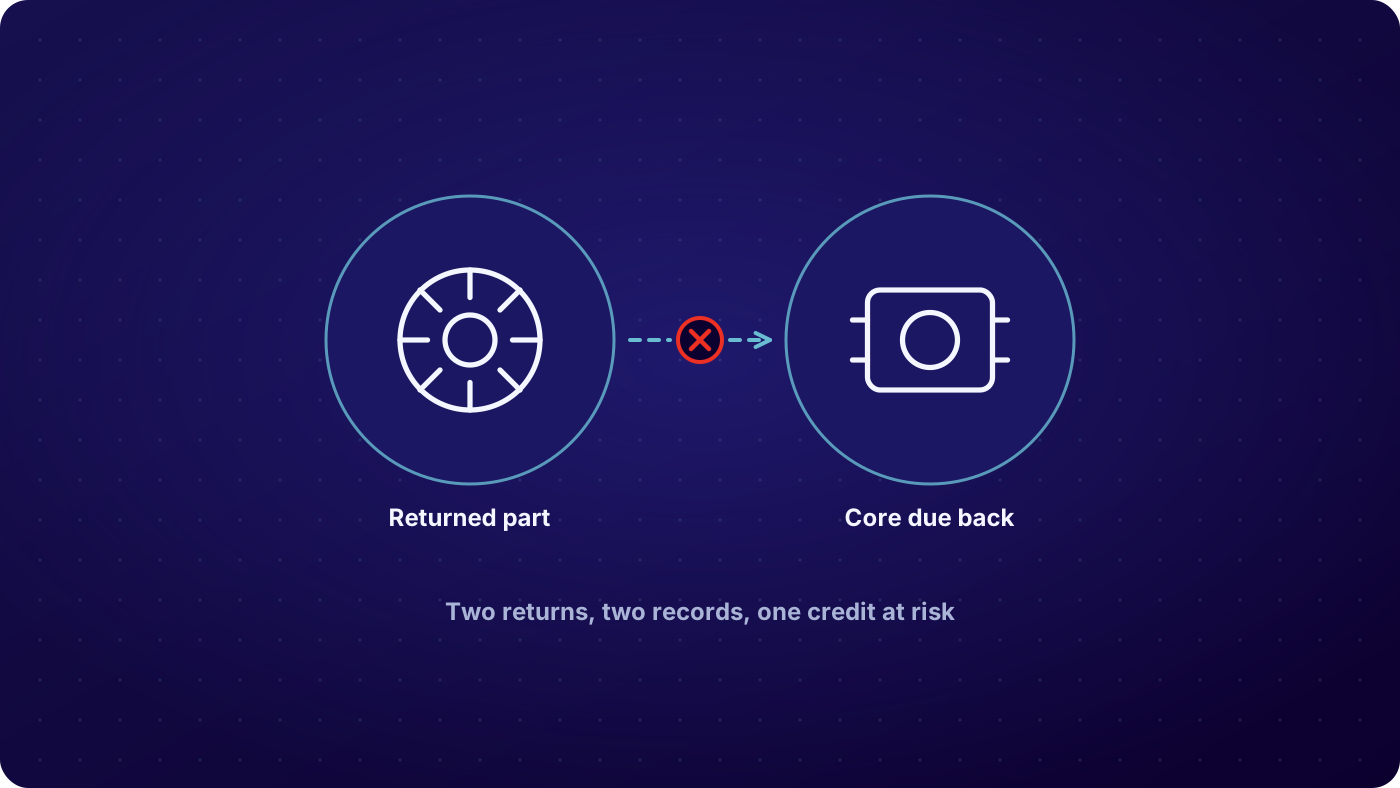
The core is a second return inside the first
Alternators, starters, calipers and turbos ship with a core charge. The customer owes the old part, and the credit waits on it. If the core is late, damaged or missing, someone chases it by email and a spreadsheet.

Used and installed parts come back as new
A part is fitted, fails to fix the problem and goes back in the box. The seal is broken, the mounting marks are there, and the packaging is clean. The dock sees a box. It does not see a used part unless someone inspects it against the claim.

Warranty and return are different questions
A defect claim needs proof of purchase, install date, mileage and sometimes an installer. A plain return needs a window. When both run in the same inbox, warranty cost goes untracked and disputes take weeks.
How Does an Automotive Part Return Move Through One System?
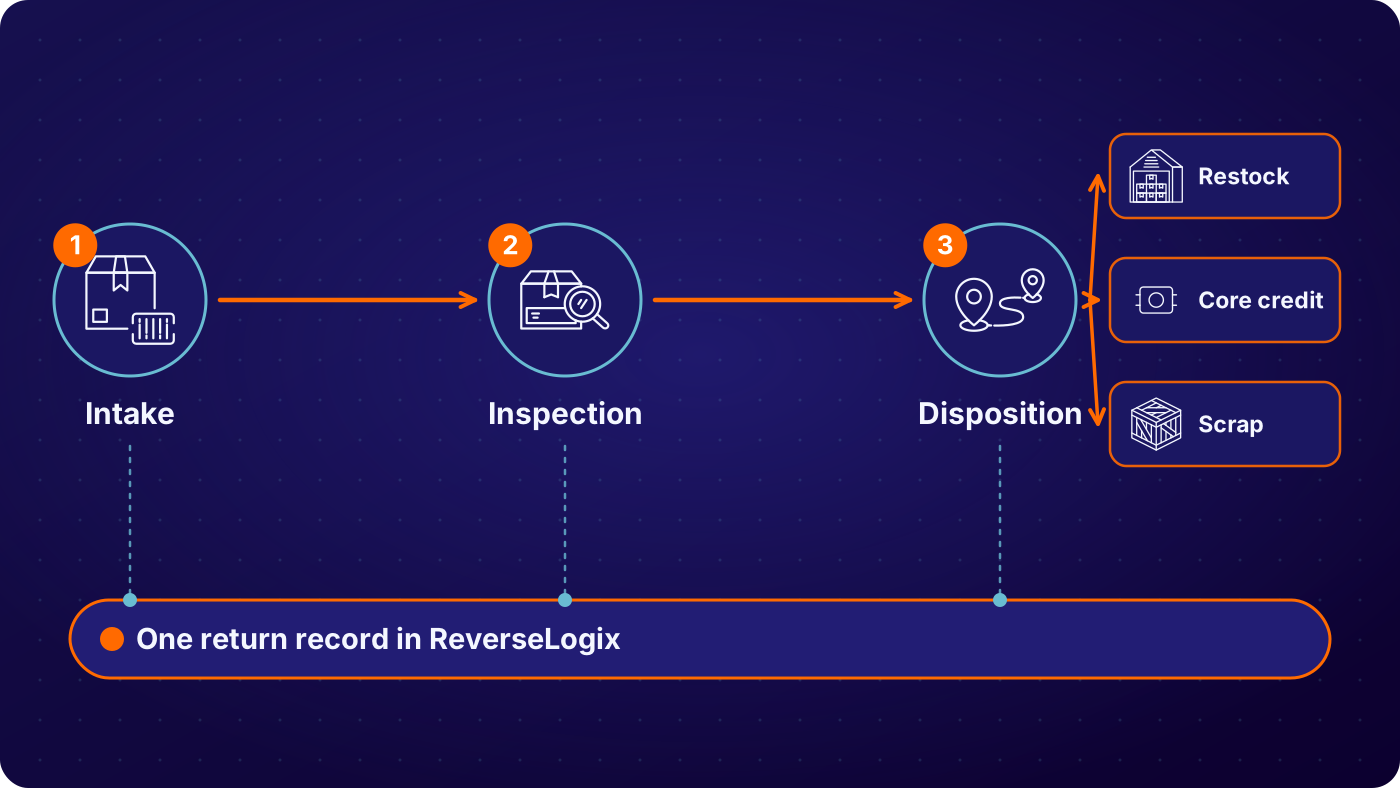
Intake with fitment, core and warranty checked
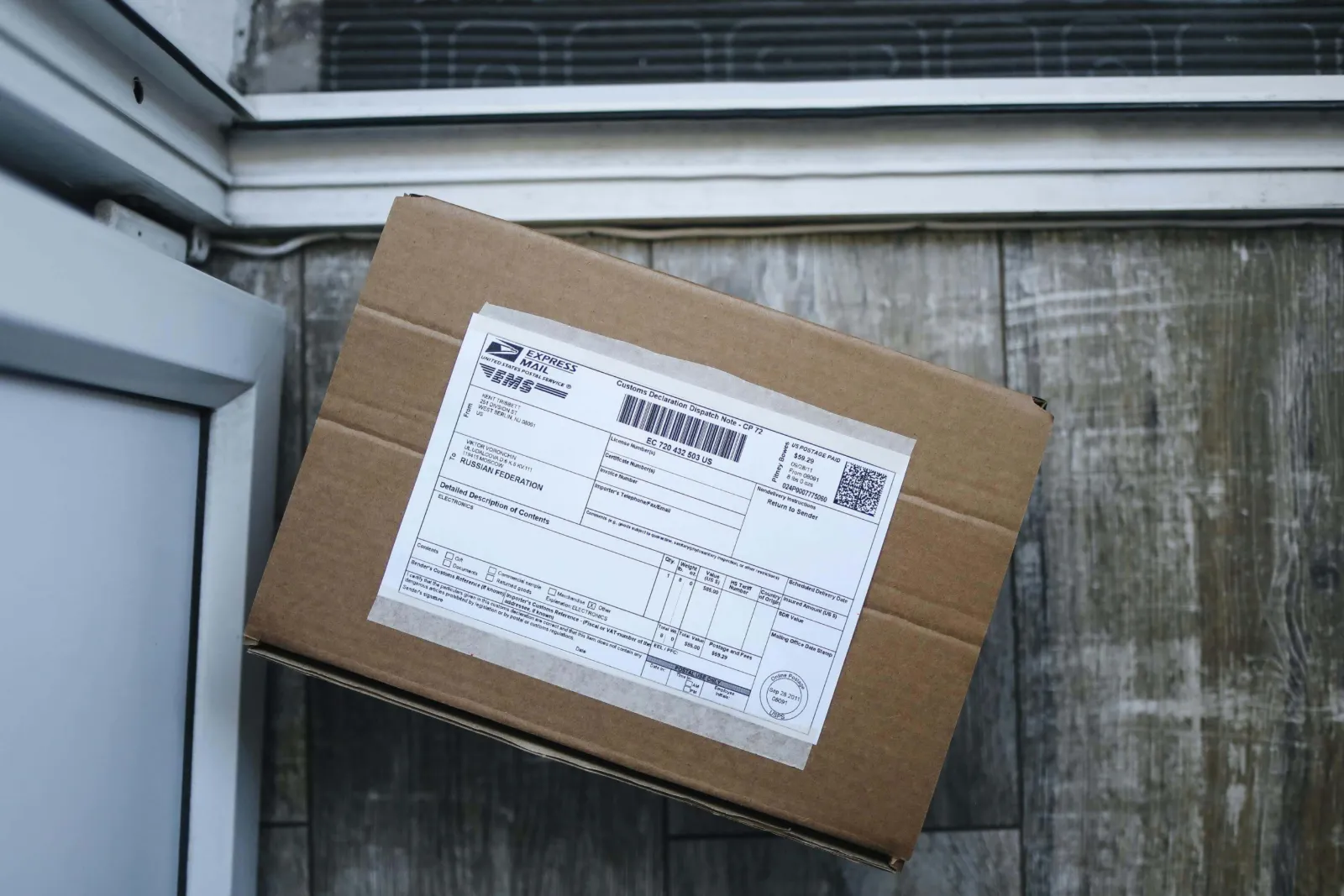
The customer, counter or dealer starts the return and the system applies the rules for that part. Order history confirms what was bought and when. Return reasons capture wrong fit, defect or no longer needed, and photos attach to the request. A warranty claim gets its own path with entitlement checked at request, so it never sits in the general returns queue.
See: returns initiation, warranty management
Receiving, inspection and grading
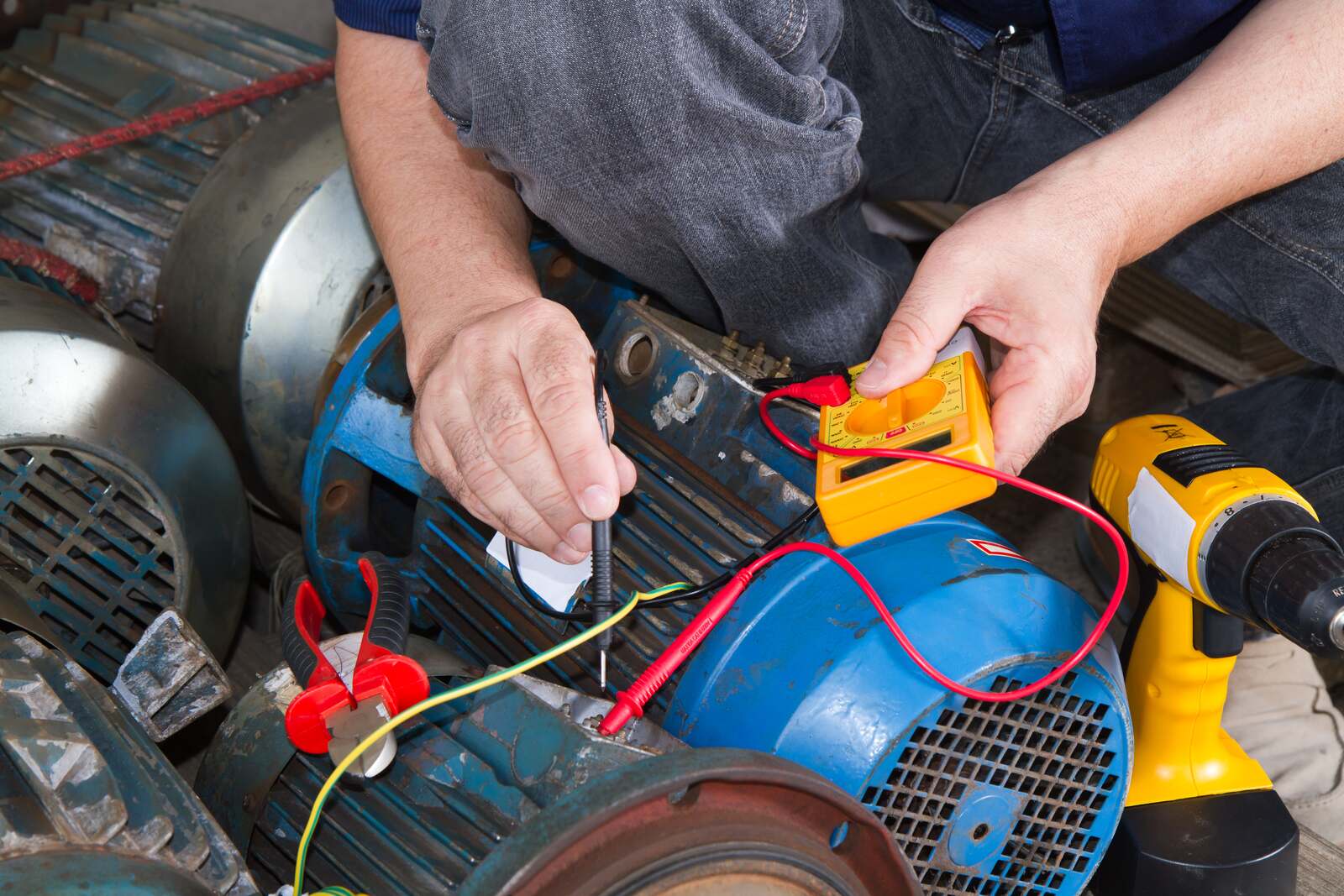
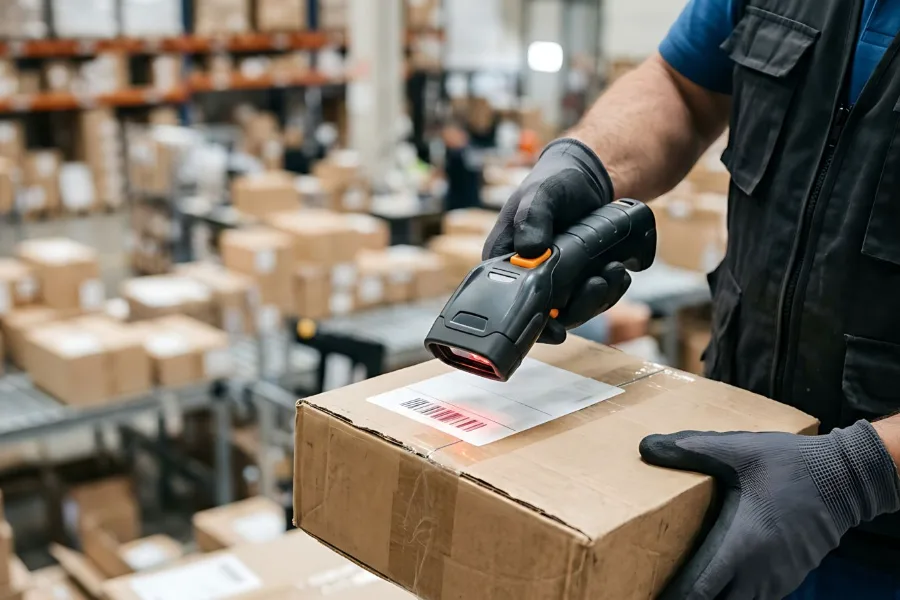
Each part is received against its RMA and inspected against criteria set for that part number. Are there install marks? Is the seal intact? Is the core the right one? The grade, the serial where one exists and the photos go on the record, so a credit or a denial can be defended.
See: returns processing
Core credit, repair and disposition
When the core is received and graded, the credit is released by your rule. Parts that can be fixed go to repair with a quote and technician assignment. The rest go to restock, open-box resale, return to vendor, remanufacture, scrap or recycling. The route is written to the record.

Warranty recovery and resale
A part that failed inside the supplier’s warranty can be tied to the claim and sent back for credit, with the evidence attached. A part graded as good can move to an open-box channel instead of a liquidation lot. The grade stays with the unit.
| Condition at inspection | Typical route | Recorded on the return |
|---|---|---|
| Unused, in original packaging, within window | Restock after scan | Grade, return reason, route, part number, timestamp |
| Wrong fit, part shows install marks | Hold, customer contacted, restocking or denial rule applied | Inspection notes, photos, contact result, rule applied, timestamp |
| Core returned, correct and repairable | Core credit released, core sent to remanufacture or supplier | Core received, grade, credit issued, route, timestamp |
| Core missing or wrong core in the box | Credit held, customer notified, deadline set | Core status, notice sent, deadline, order reference, timestamp |
| Defective inside supplier warranty | Replacement shipped, part sent for supplier credit | Entitlement result, fault reason, shipment, claim reference, timestamp |
Example configuration. Programs set their own grades, thresholds and routes.
Can Store, Online and Dealer Returns Run in One Record?
Yes. A counter return, a web order and a dealer list can all land in the same system and keep one history per part. A store associate starts a return at the counter. A customer opens a request online with a photo of the part. A distributor uploads twelve lines from one email. Each line is checked against its order, its window and its warranty terms before anything is authorized. Valid lines move forward. Rejected lines are separated with the reason. Nobody reconciles three lists at the end of the month.
See: B2B bulk returns
One record, every channel
- Counter and store returns started against the original order
- Online requests with photo evidence attached at intake
- Dealer and distributor lists checked line by line before authorization
- Core returns tracked against the order that created them
- Credits, replacements and warranty claims posted to your ERP
How Does Auto Parts Returns Software Catch Used, Wrong and Swapped Parts?
You catch them by comparing what was claimed with what arrived, on every return, and keeping the evidence. The National Retail Federation and Happy Returns report that among retailers that track return fraud, 65% see used or damaged items returned. Parts invite their own versions: the worn unit sent back as new, the wrong core in the box, the cheaper part swapped in for the expensive one. ReverseLogix surfaces the signals and keeps the record. It does not prevent fraud or guarantee detection. Vision AI can grade photos at initiation, so a mismatch shows up before the part ships.
- Serial or part number on the unit that does not match the order
- Install marks or wear on a part returned as unused
- Core that is missing, wrong or in worse condition than claimed
- Repeat claimants across store, online and dealer channels
- Parts authorized for return but never received
Your ERP and Commerce Platform Stay the Systems of Record
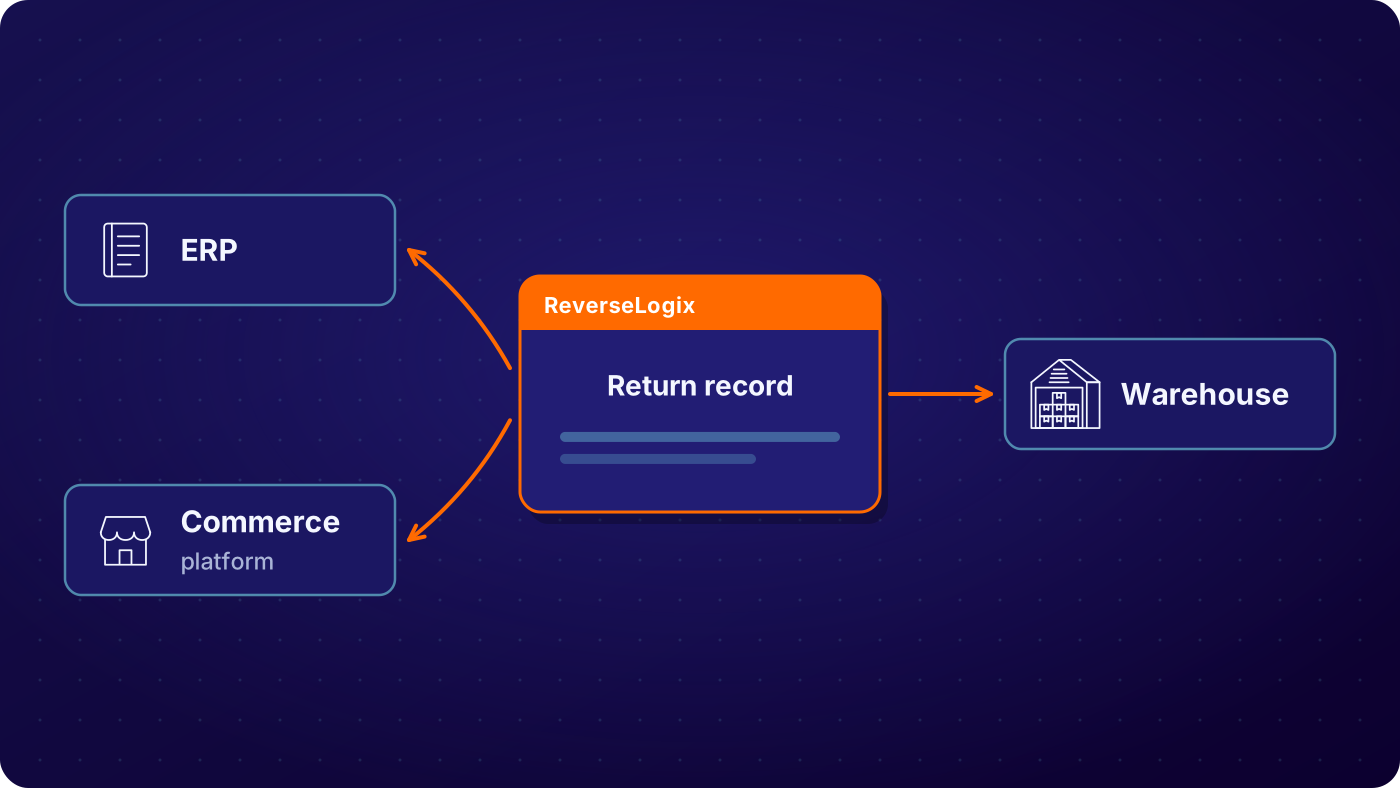
ReverseLogix authors returns in one place and posts to your systems of record. It integrates with SAP, Oracle, NetSuite and Microsoft Dynamics 365, with Shopify, Magento, BigCommerce and WooCommerce, and with warehouse platforms such as Blue Yonder, Manhattan, Korber and SAP EWM. It does not replace any of them. Mapped fields, a sandbox and user acceptance testing come first, and the ReverseLogix team scopes the configuration for your parts catalog and channels. Initiation typically goes live in 4 to 6 weeks. Repair and technician flows take longer.
See: integrations, implementation
Records for Safety Recalls, Warranty Terms and Core Programs
Some parts are safety critical. In the United States, vehicle and equipment safety recalls are overseen by the National Highway Traffic Safety Administration (NHTSA), and other regions have their own regulators. When a recall notice arrives, someone has to find the affected parts and see where each one went. The obligation sits with the manufacturer’s compliance team. ReverseLogix does not claim compliance. It carries the part number, serial or lot where captured, return reason, condition, photos and disposition that recall lookups draw on.
Warranty terms and core rules are contracts. Coverage periods, proof of purchase, installer requirements and core deadlines vary by supplier and by program. ReverseLogix applies the terms you configure and writes the entitlement result, the evidence and the decision to the record, with a full audit history. Your legal and warranty teams own the terms. The system shows what was decided, when and on what evidence.
Your next questions, answered


Automotive parts returns management software: questions and answers
Automotive parts returns management software runs a returned part through intake, fitment and warranty checks, core tracking, inspection and disposition in one system. ReverseLogix serves manufacturers, distributors and retailers that sell through stores, online and dealer networks. It is built for returns, operations and warranty teams, and it posts to your ERP.
Core rules are configured per part and program. The system links the core to the order that created it, tracks whether it arrived, and holds or releases the credit by your rule once the core is received and graded. If the core is late or wrong, the customer is notified and the deadline is on the record.
It can apply the checks you configure at request, using order history, part number and the reason given. Wrong-fit returns can be routed for a customer contact or an exchange before a label is issued. Fitment data itself comes from your catalog, and the fields are mapped during implementation.
A warranty claim starts on its own path. Entitlement is checked at request against proof of purchase and the terms you set, evidence attaches to the claim, and the result is written to the record. Ordinary returns follow return windows. Both share one history per part, so warranty cost is visible.
No. ReverseLogix does not prevent fraud or guarantee detection. It surfaces signals such as serial mismatches, install marks, wrong cores, repeat claimants and parts authorized but never received. It keeps photo evidence and the full unit history, so your team can decide what to do with each case.
Yes. Counter, online and dealer returns share one record, so each party adds to the same part history. Bulk upload checks every line against the order, window and warranty terms before authorization. Valid lines move forward and rejected lines are separated with the reason.
No. ReverseLogix keeps the returns record and posts to your ERP. It integrates with SAP, Oracle, NetSuite and Microsoft Dynamics 365, and with Shopify, Magento, BigCommerce and WooCommerce. Your ERP and commerce platform stay the systems of record, and the team scopes the configuration for your process.
Standard go-live for returns initiation is 4 to 6 weeks. Repair and technician flows extend that. The project includes mapped fields, a sandbox, user acceptance testing and a go-live plan, and it needs time from your ERP and warehouse owners. A specialist can scope it against your channels.
Further reading: Reverse Logistics Association.
See Where Your Parts Returns Process Leaks Value
A specialist walks through your intake, core and warranty flow and shows where recovery is lost, before any demonstration.


