

Home Improvement Returns Management Software for tools, office gear and pet products
One returns record for drills, desks and dog feeders, with the right rules applied to each.
A cordless drill comes back in a scuffed box. The battery is missing and the charger is from a different model. The customer says it never worked. ReverseLogix is home improvement returns management software for brands that sell power tools, hand tools, fittings, lighting and smart home devices, plus office furniture and peripherals and pet products such as feeders, crates and GPS collars. It runs intake, warranty checks, inspection, repair and disposition in one system, and posts records to the ERP and commerce platform you already run.
Returns teams using ReverseLogix include:




Why Are Home Improvement, Office and Pet Returns So Hard to Standardize?
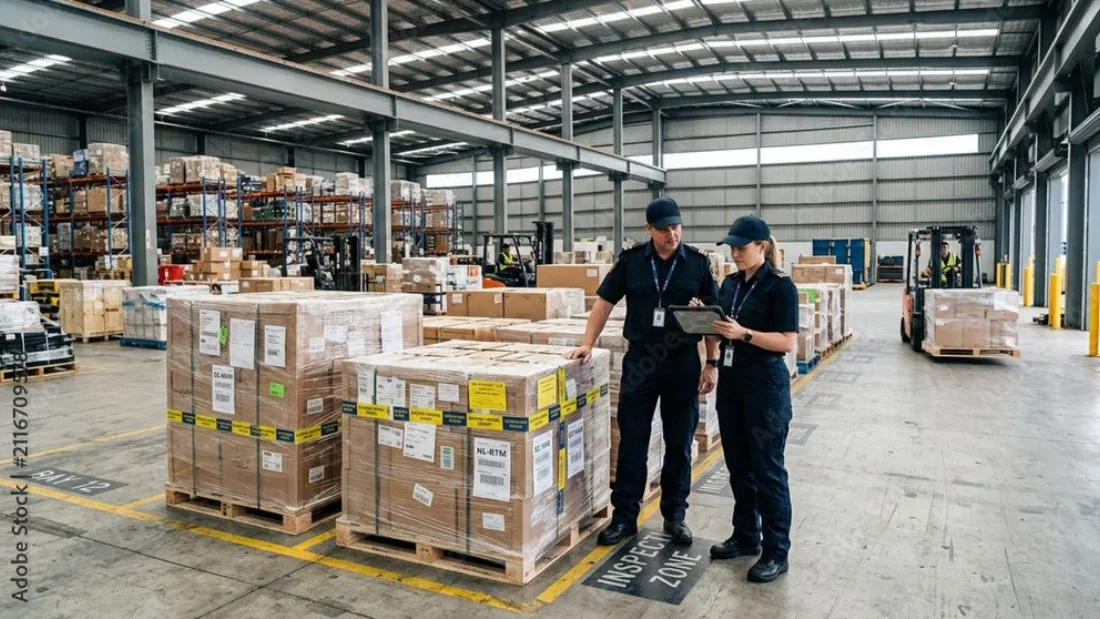
An office chair comes back in three cartons. A 40 lb bag of dog food arrives split open. A drill arrives with its battery taped inside the lid. Each one needs a different decision, and a single returns form treats them all the same.


A return is a category problem
A drill, a desk and a feeder do not follow the same rules. Window, condition, warranty and destination all change by product. Rules have to be set by SKU and category.

Oversize and hazardous items break the label flow
Freight items, batteries and chemicals cannot go back on a standard prepaid label. Each needs its own handling step before anything ships.

Wrong items hide in the box
An older tool goes back in a new tool’s box. A used part replaces a new one. Nobody sees it until someone opens the carton and checks the serial.

Dealer and contractor returns arrive as lists
A contractor sends twelve items in one email. A marketplace sends a batch. Each line needs its own check against the order and the return window.
How Do Power Tool Returns Management and Pet Product Returns Management Run in One System?
Intake with rules by category
The customer or dealer starts a return and the system applies the rules for that product. Serialized registration and warranty entitlement are checked at request. Two-tier return reasons capture the fault, and photo or video evidence attaches to the request. For a failed unit under warranty, the system can send a replacement or a part first, so the customer is not waiting on a full return.
See: returns initiation, warranty management
Receiving, inspection and grading
Each unit is received against its RMA and graded against criteria set for that SKU. Is the battery there? Is the seal broken? Is the accessory bag complete? The grade and the photos go on the record.
See: returns processing
Repair, parts and disposition
Repairs carry technician assignment, and the customer approves a quote before work starts. Units that cannot be repaired go to restock, open-box resale, refurbishment, part harvest, return to vendor, liquidation, recycling or destruction. The route is written to the record. Returns-side and parts stock sit in the inventory module.
See: returns processing


Open-box and resale recovery
A unit graded as opened, complete and lightly worn can move to an open-box channel instead of a liquidation pallet. The route and the grade stay with the unit, so the resale listing matches what the inspector saw.
See: recommerce, B2B bulk returns
| Condition at inspection | Typical route | Recorded on the return |
|---|---|---|
| Unopened, within return window | Restock after scan | Grade, return reason, route, serial, timestamp |
| Opened, complete, cosmetic wear | Open-box resale channel | Grade, photos, route, serial, timestamp |
| Missing accessory or battery | Hold, customer contacted, partial refund rule applied | Missing item, contact result, refund rule, serial, timestamp |
| Damaged lithium battery | Quarantine, then the compliance team’s handling step | Condition, photos, hold reason, instruction received, timestamp |
| Defective under warranty | Replacement or parts shipment, unit to depot | Entitlement result, fault reason, shipment, serial, timestamp |
Example configuration. Programs set their own grades, thresholds and routes.
Can Consumer, Contractor and Marketplace Returns Run in One Record?
A homeowner sends a photo of a cracked tool housing. A contractor sends a list of eight fittings from a job that changed. A marketplace sends a batch of feeders that arrived scratched. All three land in the same system. Bulk upload checks each line against the order, the return window and the serial, then separates valid lines from rejected ones before authorization. Nobody reconciles two lists, and each unit keeps one history.
See: B2B bulk returns
One record, every channel
- Direct-to-consumer claims with photo or video evidence attached at request
- Dealer and contractor lists checked line by line before authorization
- Marketplace returns matched to the order and serial
- Credits, replacements and repair requests posted to your ERP
How Do You Spot Wrong-Item and Empty-Box Returns?
The National Retail Federation and Happy Returns report that among retailers that track return fraud, 71% see overstated quantities, 65% see empty-box returns and 64% see decoy returns such as counterfeit items. Tools and devices invite a version of each: the older drill in the new drill’s box, the empty carton, the swapped part. ReverseLogix surfaces the signals and keeps the record. It does not prevent fraud or guarantee detection. Vision AI can grade photos at initiation, so a mismatch shows up before the unit ships.
- Overstated quantities compared with what was received
- Empty box, or a different item in the box
- Serial number on the unit that does not match the serial on the order
- Repeat claimants across consumer, dealer and marketplace channels
- Units authorized for return but never received
Your ERP and Commerce Platform Stay the Systems of Record
ReverseLogix authors returns in one place and posts to your systems of record. It integrates with SAP, Oracle, NetSuite, D365, Epicor and SyteLine, and with Shopify and major marketplaces through API. It does not replace any of them. Where your process does not match a standard template, the ReverseLogix team scopes and implements the configuration.
See: integrations
Records for Lithium Battery Handling and Product Recalls
A returned cordless drill carries a lithium battery, and so does a GPS collar. In the United States, lithium battery shipments fall under the Department of Transportation hazardous materials rules at 49 CFR 173.185, and air shipments also follow IATA rules. Damaged, defective or recalled batteries carry stricter handling. ReverseLogix does not give hazardous materials shipping or regulatory advice. Your compliance team owns those rules, and ReverseLogix runs them as workflow steps.
Consumer product recalls in the United States run through the Consumer Product Safety Commission (CPSC). When a recall notice arrives, someone has to find the affected units and see where each one went. The obligation sits with the brand’s compliance team. ReverseLogix does not claim compliance. It carries the return reason, condition, photo evidence and disposition that those decisions and recall lookups draw on.
Your next questions, answered
Home improvement returns management software: questions and answers
Home improvement returns management software runs a returned tool, fixture or device through intake, warranty check, inspection, repair and disposition in one system. ReverseLogix also covers office products, furniture and pet products. It serves brands that sell direct, through marketplaces and through dealers or contractors. It is built for the brand’s returns, operations or ecommerce team.
Yes. Return windows, conditions, reasons and destinations are configurable by SKU, category and reason. A power tool can require a serial check and battery photo, while a bag of pet food can skip the return and go to a refund rule. The rules run at request, before anything ships.
Battery, aerosol, chemical and freight-item rules run as configurable workflow steps. A damaged lithium battery can be quarantined and routed to the handling step your compliance team defines. ReverseLogix does not give hazardous materials shipping or regulatory advice. Your compliance team owns those rules, and the system applies them and records the result.
Yes. Advance exchange and replacement parts shipment let the customer keep a working product while a missing charger or broken hinge is replaced. The shipment, the entitlement check and the reason are linked on one record. If the original unit is expected back, the system flags it when it never arrives.
No. ReverseLogix does not prevent fraud or guarantee detection. It surfaces signals such as overstated quantities, empty boxes, wrong items, serial mismatches, repeat claimants and units authorized but never received. It keeps photo evidence and the full unit history, so your team can decide what to do with each case.
Yes. Consumer, dealer, contractor and marketplace returns share one record, so each party adds to the same unit history. Bulk upload checks every line against the order, return window and serial before authorization. Valid lines move forward and rejected lines are separated, so nobody reconciles separate lists.
No. ReverseLogix keeps the returns record and posts to your ERP. It integrates with SAP, Oracle, NetSuite, D365, Epicor and SyteLine, and with Shopify and major marketplaces through API. Your ERP and commerce platform stay the systems of record, and the ReverseLogix team scopes and implements the configuration for your process.
Further reading: National Retail Federation research on retail returns.
See Where Your Returns Process Leaks Value
A specialist walks through your intake, inspection and disposition flow and shows where recovery is lost, before any demonstration.


