

Recommerce platform and disposition software: restock, outlet, refurbish, resell or recycle, decided once and applied every time
A bay of graded returns is waiting for a decision. ReverseLogix routes each unit to the channel that recovers the most, by grade, SKU value and region, and records what it brought back.





State of recommerce and disposition: what the numbers say
8-20%
Share of enterprise returns that end up scrapped, salvaged, liquidated or donated.
ReverseLogix estimate
5 billion lb
Returned goods sent to US landfill each year.
Retail Dive
19 July 2026
Date from which large companies in the EU may no longer destroy unsold apparel, clothing accessories and footwear, unless an exemption applies.
EU Ecodesign for Sustainable Products Regulation
2x
Returns processed by Amer Sports after moving to ReverseLogix.
Amer Sports
What makes recommerce and disposition different
- Value falls by the week. Seasonal stock loses value every week it waits for a decision. The sooner a graded unit reaches its channel, the more it brings back.
- The best channel depends on the unit. The same SKU can be worth restocking in one region, selling through outlet in another and harvesting for parts in a third, depending on grade, demand and local rules.
- Scrap now needs a reason. EU limits on destroying unsold apparel and footwear, and producer take-back duties, mean a unit sent to scrap needs a documented reason. ReverseLogix keeps that record for every unit, which makes regulatory tracking and audits easier.
Why recommerce and disposition needs its own strategy
Most disposition decisions are made pallet by pallet by whoever is at the bench, with liquidation as the default when nobody has time to decide. A recommerce strategy sets the channels you will use, the grade and value thresholds for each, the resale partners you work with, and the evidence you keep for units that are recycled or scrapped. Decided once, those rules apply to every unit at every site, and finance can see what each channel recovers.

How to evaluate recommerce software
Channels set as rules. Restock, outlet, open box, refurbish and resell, parts harvesting, return to vendor, liquidation, donation and recycling should each be a route the system applies by rule. Ask to see a grade change the route automatically.
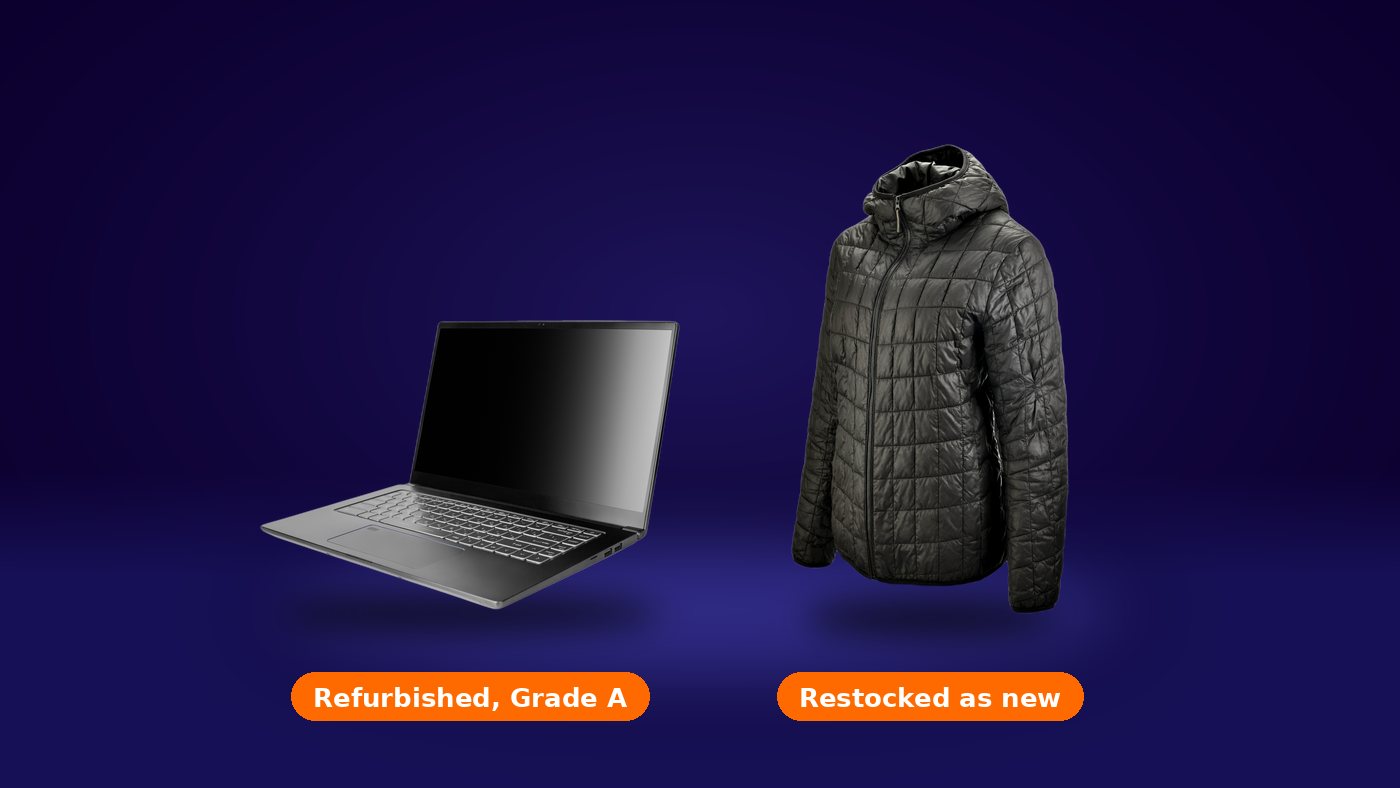
Thresholds by SKU value. A worn jacket and a damaged laptop need different rules. Check that grade and value thresholds can be set per product family and per region.
Recovery recorded per unit. Each unit’s recovery value should be recorded against its channel, so finance can see recovery rate by channel, SKU and site.
Evidence for recycle and scrap. Units that cannot be resold should leave a record of why, where they went and under which rule, for regulators and for your own sustainability reporting.
Where recommerce and disposition leaks cost and margin
Liquidation by default. Cost: sellable units leave by the pallet at a fraction of their value. Fix: thresholds that route sellable grades to restock, outlet or resale before liquidation is considered.
Refurbishment that does not pay back. Cost: labour and parts spent on units whose resale value will not cover them. Fix: refurbish only where the expected resale value covers the work, set per SKU.
Units waiting for a decision. Cost: value decays in the bay while someone decides. Fix: the disposition is set at grading, so the unit moves the same day.
Recovery nobody measures. Cost: no one can say which channel returns the most, so poor channels keep their volume. Fix: recovery value recorded per unit and reported by channel.
Bring last quarter’s liquidation report, and we will show you which units a disposition rule would have sent elsewhere.
What running recommerce and disposition on one system changes
- Decided once, applied every time. Disposition rules live in the platform, so the same grade of the same SKU gets the same route at every site, on every shift.
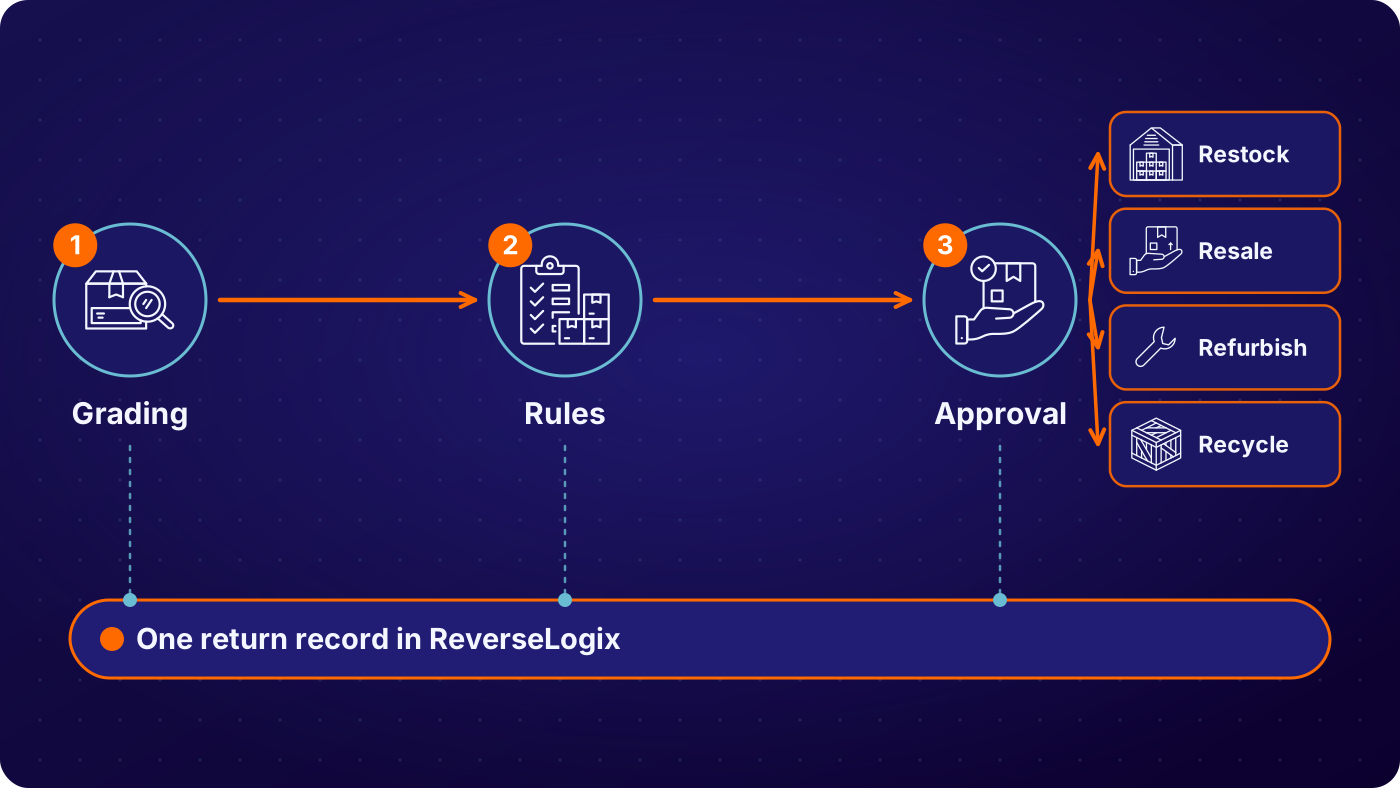
- Every channel gets the right stock. Grade A goes back to sellable stock, grade B to outlet or open box, refurbishable units to refurbishment and resale, defective lots back to the vendor, and the rest to parts harvesting or recycling.
- Recovery becomes a number finance can use. Recovery value by unit, channel and site sits next to the cost of the return, so recovery rate becomes a P&L line rather than an estimate.
- More returns through the same team. Amer Sports doubled the number of returns it processes on ReverseLogix.
What this looks like in practice
An outdoor brand at the end of the season. Grade A jackets go back to stock, grade B to the outlet channel, grade C to a resale partner, and grade D to textile recycling with a record of why.
Electronics recommerce: a laptop worth refurbishing. A returned laptop tests clean apart from a scuffed lid. Its resale value covers a cosmetic refurbishment, so it routes to refurbishment and then to a certified refurbished channel.
An appliance with a dented panel. A range comes back with cosmetic damage and works perfectly. It goes to the open-box channel at a set markdown, rather than to liquidation with the rest of the pallet.
A defective lot from one supplier. Inspection finds a run of defective units from one supplier lot. The rule routes them to return to vendor with the inspection evidence, and the supplier credit is claimed against the agreement.
How the ReverseLogix recommerce platform runs disposition as one governed workflow
Grade. Each unit is graded at receipt against the checklist for its product family, with Vision AI checks where condition is hard to judge.
Route by rule. The grade, SKU value and region set the route: restock, outlet, refurbish and resell, parts harvesting, return to vendor, liquidation, donation or recycling.
Record recovery. Each unit’s channel, recovery value and, for recycle or scrap, the reason are recorded and reported, and inventory movements post to your ERP and WMS once.

When ReverseLogix is the right recommerce platform, and when it is not
A good fit if
- You route returns to several channels: restock, outlet, refurbishment, resale partners, parts or recycling.
- Liquidation is the default for anything that is not obviously sellable.
- You sell in the EU or carry producer take-back obligations, and need a disposition record your compliance team can audit.
- Finance cannot see recovery rate by channel today.
- Your annual revenue sits between $50M and $5B or more.
Probably not a fit if
- You only need a marketplace to list refurbished goods: a resale marketplace serves that.
- Every return is restocked or scrapped, with no channel in between.
- You are a direct-to-consumer brand under $50M.

Map your disposition channels and the rules that should feed them.
Data security, access control and compliance
- ISO 27001. A security review from a European resale partner lands on a Friday. ReverseLogix is ISO/IEC 27001 certified, so the review starts from an audited information security management system.
- SOC 2. ReverseLogix holds a SOC 2 Type II attestation, so auditors and security teams review controls tested over time.
- Access control. Role-based permissions, single sign-on and a log of disposition rule changes control who can see and change returns data, so access is reviewed from one place.
Integrations
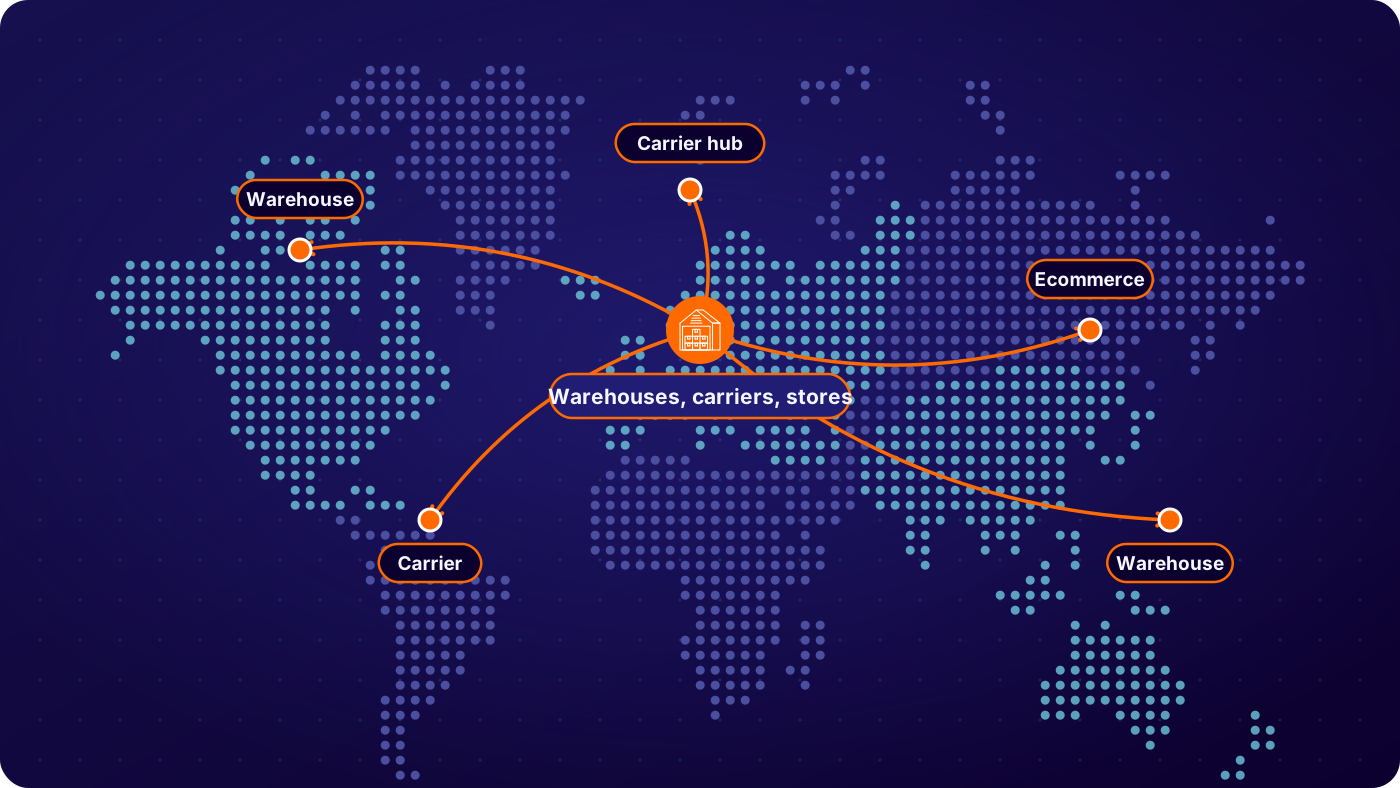
Disposition decisions reach the systems and channels that act on them.
- ERP: SAP S/4HANA, Oracle, NetSuite, Microsoft Dynamics 365 F&O, Infor SyteLine and Epicor
- Marketplaces: Amazon, eBay and Walmart
- Commerce: Shopify Plus, Salesforce Commerce Cloud, SAP Commerce Cloud and Adobe Commerce
- WMS and carriers: standard WMS connectors and REST API; FedEx, UPS, DHL, USPS and regional carriers
Recommerce platform: questions and answers
Recommerce software decides where each returned unit goes to recover the most value, and records what it recovered: restock, outlet, refurbishment and resale, parts, return to vendor, liquidation or recycling. ReverseLogix runs it as a recommerce platform inside its returns management platform, so grading, disposition and recovery share one record, for apparel, electronics and appliances alike.
Disposition is the decision on where a graded return goes. ReverseLogix decides it by rule, from the grade, the SKU’s value, the region and the channels you use, so the decision is consistent and recorded.
No. ReverseLogix is the software that routes and records disposition. Your own channels, marketplaces and resale partners sell the stock, and the platform sends each unit to the right one.
They route to parts harvesting, donation, recycling or scrap by rule, and each carries a record of why and where it went. That record supports EU and producer take-back reporting: your compliance team sets the obligations, and ReverseLogix makes tracking and audits easier.
Yes. Return to vendor is one of the routes. Defective lots go back with the inspection evidence, and the supplier credit is claimed against the agreement.
Each unit’s recovery value is recorded against its channel and compared with its original value and the cost of the return, so recovery rate is reported by channel, SKU and site.
Standard implementation takes 4 to 6 weeks, based on ReverseLogix deployment data.
Further reading: Reverse Logistics Association.
See recommerce and disposition run end to end
Bring a sample of graded stock and the channels you use today, and we will map where each unit should go.
4 to 6 weeks
Standard implementation, based on ReverseLogix deployment data.
Book a Returns Assessment with our team.


