

Carrier integrations for returns: 400+ carriers across 100+ countries
Return labels, drop-off options and tracking events come from the same record that runs the return, so nobody copies a tracking number between systems.
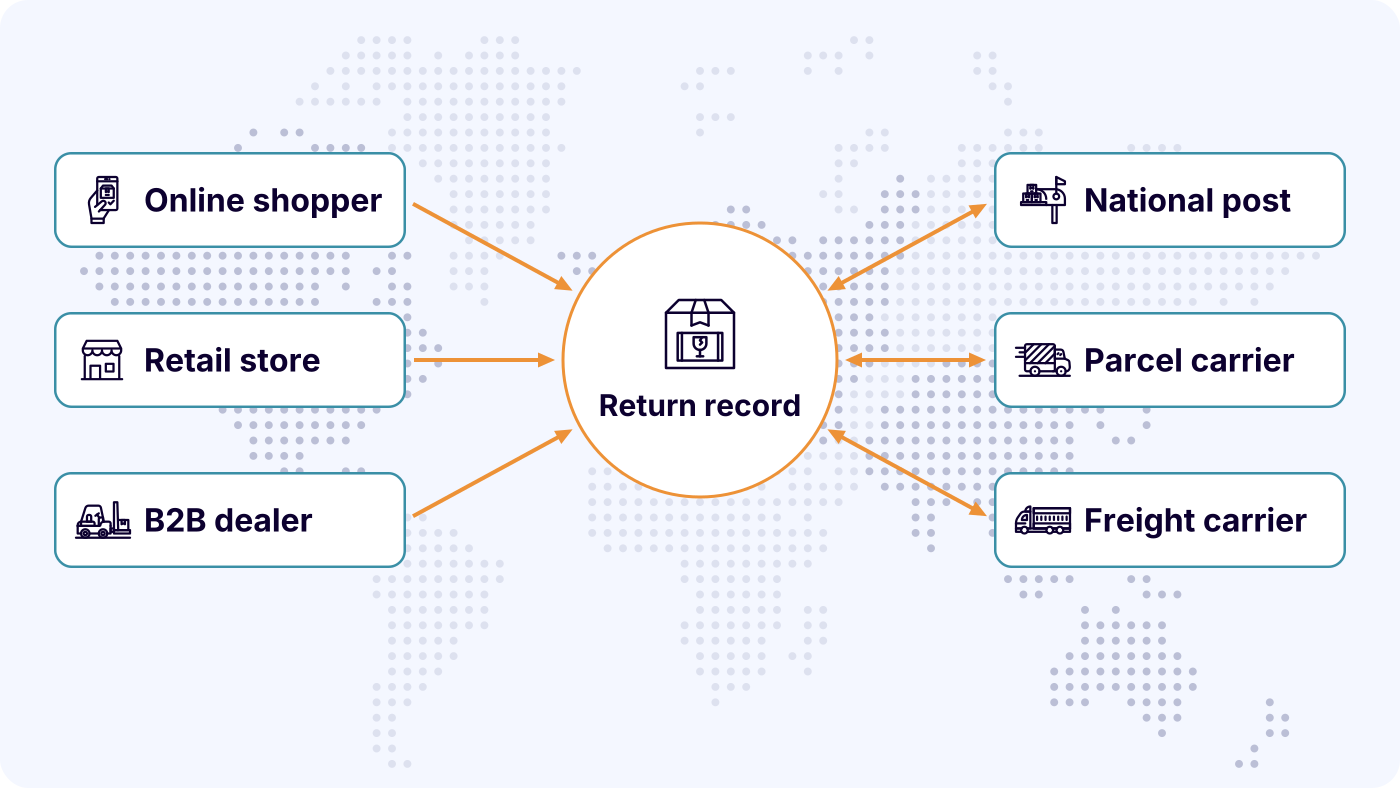
How a label, a drop-off and a tracking event flow through the return
Carrier integrations for returns connect the return record to the carriers that move the box. When a return is approved, ReverseLogix requests the label from the carrier your rules select and attaches it to the RMA. The customer or dealer gets the label or a drop-off option. Each scan after that is written back to the same record, so service, the warehouse and finance all see where the box is.
Labels by rule
Rules choose the carrier and service by region, product and return reason. A freight return, a parcel and a cross-border return can each take a different route without anyone choosing by hand.
Drop-off and pickup
Offer the return options each carrier supports in that region, for a single parcel from a shopper or a bulk return from a dealer.
Tracking written back
Carrier scans update the return, the RMA and any warranty claim tied to it. The receiving team sees what is inbound before it reaches the dock.
Carrier coverage across North America, Europe, the UK and APAC
ReverseLogix connects to 400+ carriers across 100+ countries. That covers national posts, parcel carriers and freight carriers, so a return in Ohio, Rotterdam or Singapore follows the same process with a local carrier. Send us your carrier list and we will check it against ours.
Carrier integrations inside the returns system, not in a separate shipping tool
A separate shipping tool can print a return label. It does not know why the item is coming back, what it is worth or where it should go. Because the carrier connection sits inside ReverseLogix, the label follows the disposition rule: back to the warehouse, to a repair depot, to a vendor or to a resale partner. The tracking event can then start the next step on the same record.
Carrier integrations for returns: what changes for your teams
Customer service sees the carrier status on the return itself, so a question about where a return is does not need a second system or a call to the warehouse.
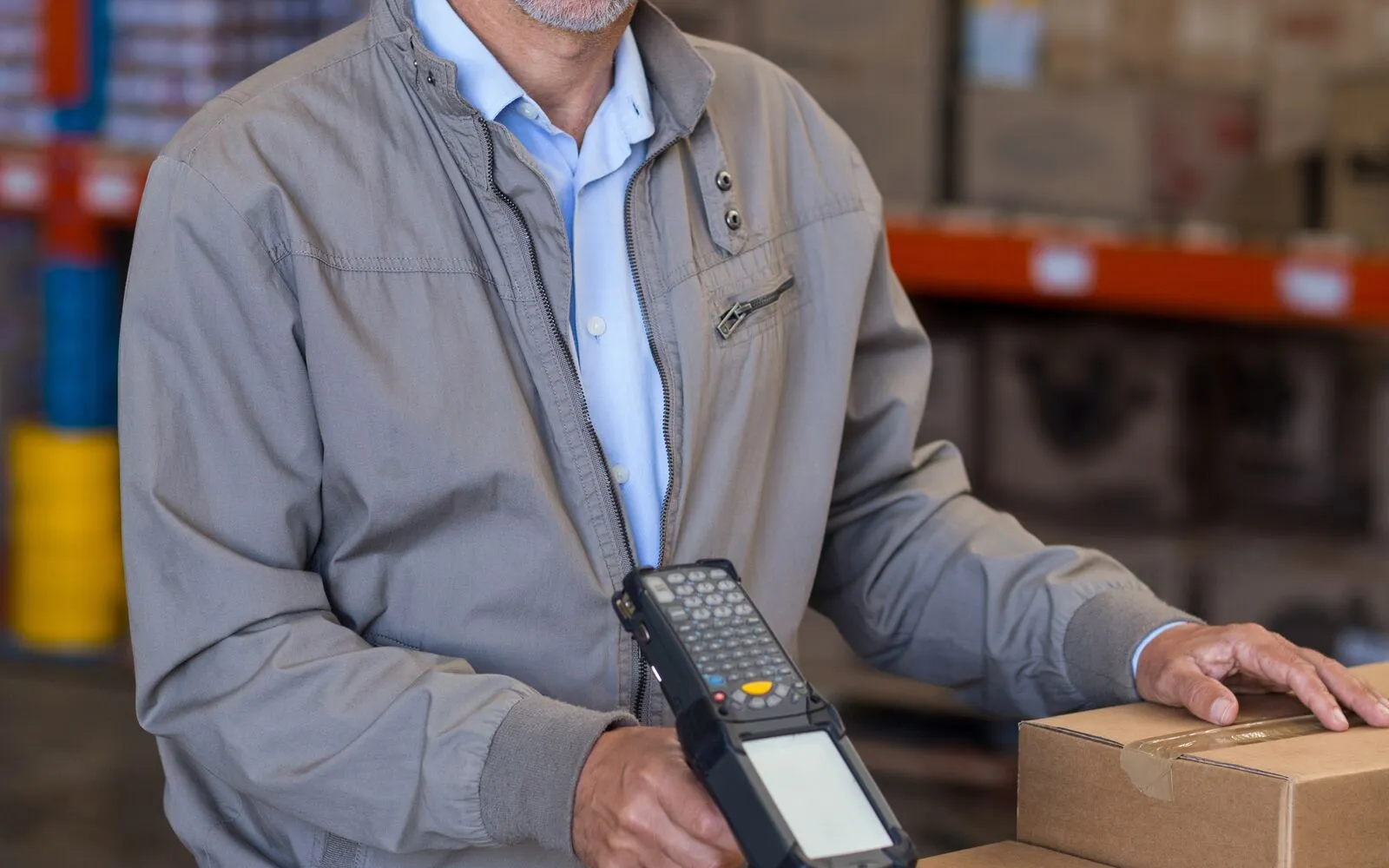
The receiving team sees which returns are in transit and when they are due, which helps plan labor at the dock before the truck arrives.
Finance can tie a credit to a carrier scan or to receipt, as your rules require, with the tracking event saved on the record as evidence.
IT maintains one carrier connection inside the returns platform instead of separate label tools for each region or channel.
Carrier integrations for returns: questions and answers
ReverseLogix connects to 400+ carriers across 100+ countries, including national posts, parcel carriers and freight carriers. Send us your carrier list and we will confirm each one.
Yes. Carrier scan events are written back to the return and the RMA, so service agents and the receiving team see the same status.
Yes. Rules select the carrier and service by region, product and return reason, so freight, parcel and cross-border returns each take the right route.
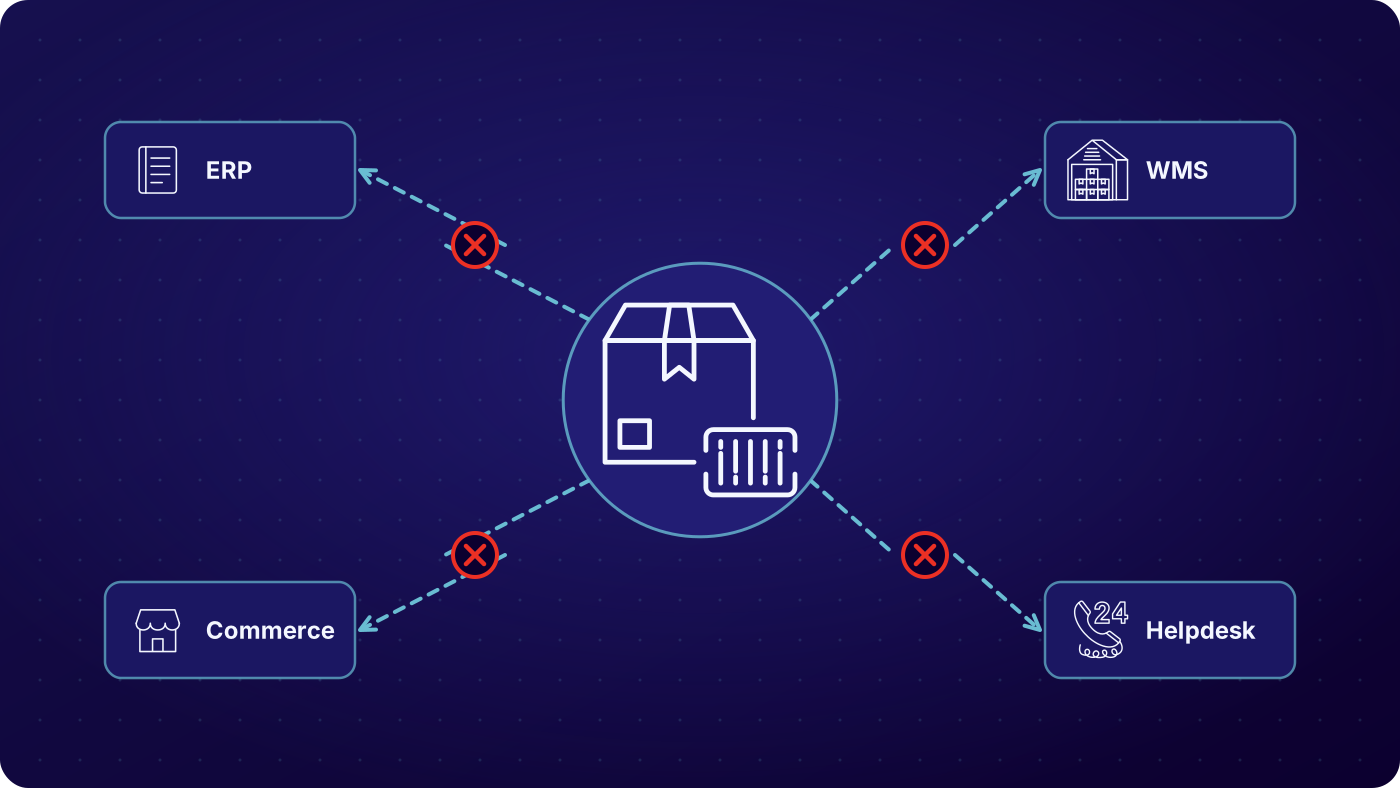
The carrier connection sits in the same platform that posts to your ERP and WMS. The tracking number travels with the return record, so it does not have to be keyed into another system. See all returns management integrations.
Further reading: Reverse Logistics Association.
Check your carriers against the list
Send us the carriers you use today, by region. We will show you which are connected and how a label, a drop-off and a tracking event run through one record.


