

Industrial Equipment Returns Management Software for dealers, depots and high-value units
One record for every pump, drive, motor and spare part that comes back, from the dealer’s dock to your repair depot.
A pallet lands on your dock with no RMA. Inside are two gearboxes, a control panel and a carton of seals. One gearbox has a serial number nobody can find in the system. The dealer says it is under warranty. Your team starts calling around. ReverseLogix is industrial equipment returns management software for manufacturers of machinery, components and spare parts. It runs dealer and distributor returns, warranty entitlement by serial and contract, repair depot work and disposition in one system, and posts the result to the ERP you already run.
Returns teams using ReverseLogix include:


Why Are Industrial Equipment Returns So Hard to Control?
A dealer returns forty parts on one claim. A plant sends back a motor that cost more than a car. A box turns up with nothing on the label. Each one is a different decision, and most of them are made in email and spreadsheets.

Warranty depends on the serial and the contract
Coverage is set by the unit, the purchase date, the account and the OEM contract behind it. If the check happens after the box arrives, your team pays for a repair that was never theirs to pay for.

Dealers send returns as lists, and approvals vary
One distributor can return stock freely. Another needs sign-off above a set value. Without approval rules in the system, every request becomes a phone call, and every phone call is a double touch.

Boxes arrive with no RMA or the wrong contents
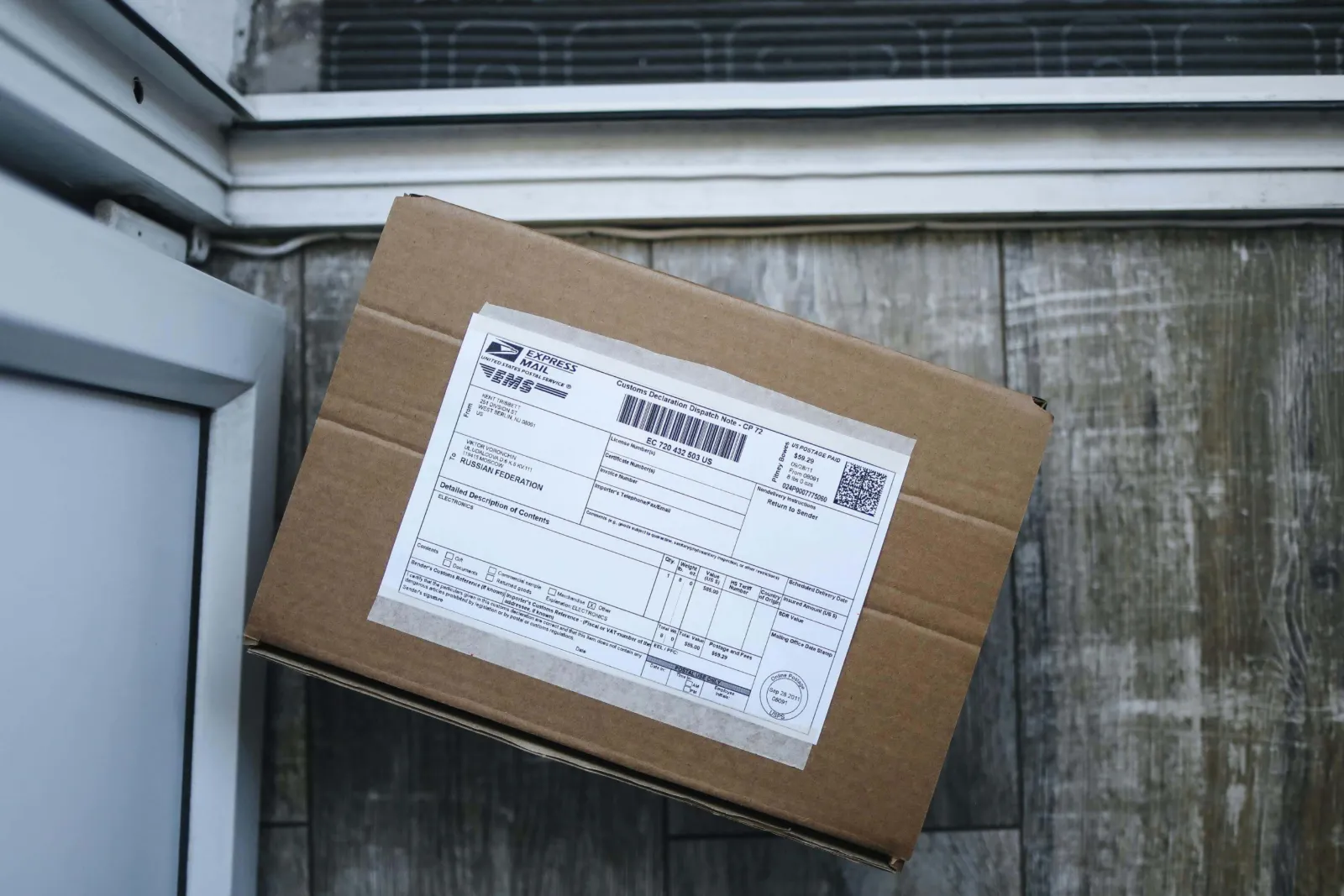
A blind return still has to be received. The quantity is off, the part number does not exist, or the serial belongs to a different customer. Someone has to sort it out on the dock.

High-value units disappear between sites
A serialised unit moves from dealer to depot to inspection to a bin. If each step lives in a different tool, nobody can say where it is or whose stock it is.
How Does an Equipment or Parts Return Move Through One System?
Request, approval and entitlement
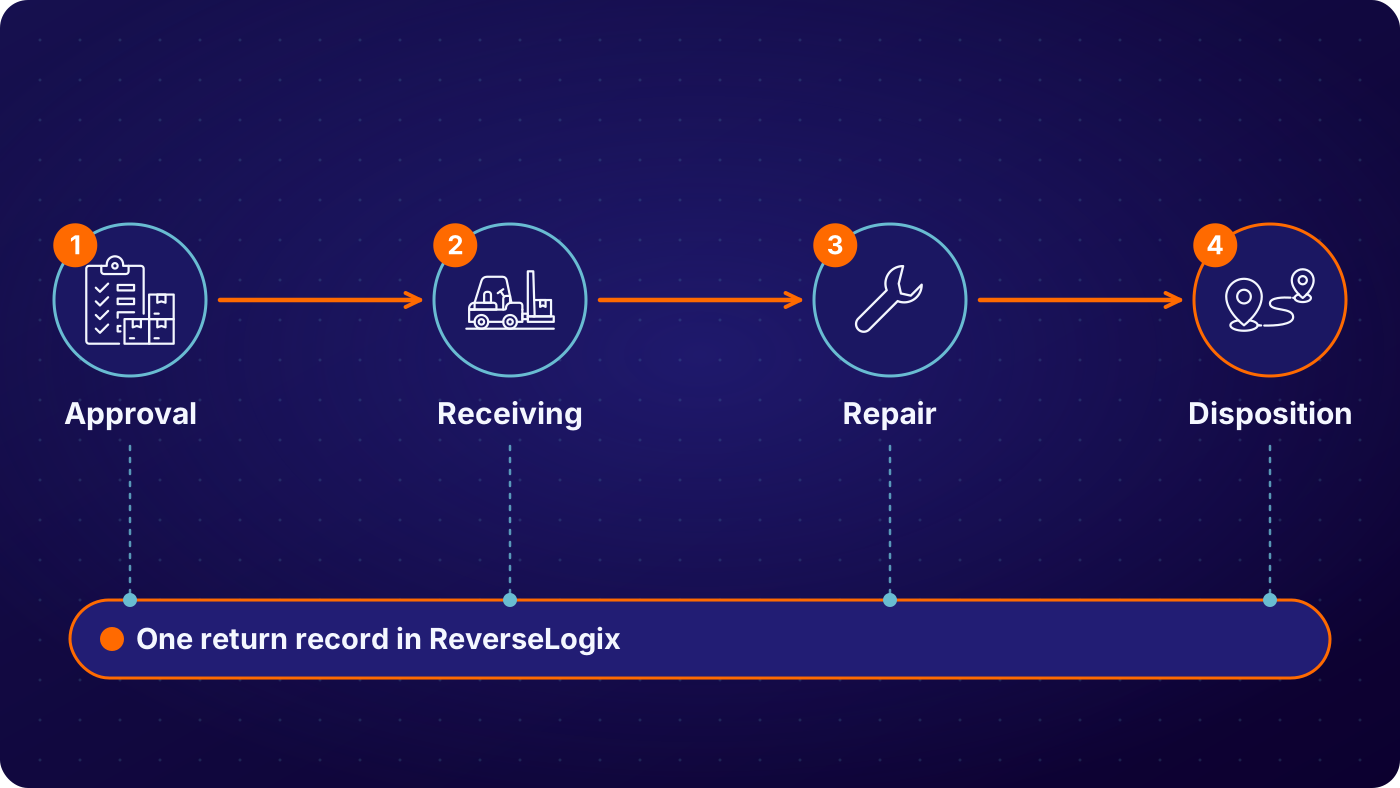
The dealer, distributor or plant opens a request in a branded B2B portal, or uploads an ASN. The system checks the serial, the account policy and the OEM contract, then applies your approval rules. Small returns pass on their own. Higher-value ones go to the right approver. Return types and reasons can each carry their own tasks and SLA.
See: B2B bulk returns, warranty management
Receiving against the RMA, or blind
The dock scans the carton and receives against the RMA. When there is no RMA, a blind receipt creates the record on the spot. Quantity or part differences are logged as discrepancies, with photos, and sent to the person who owns the answer.
See: returns processing
Inspection, repair and depot work
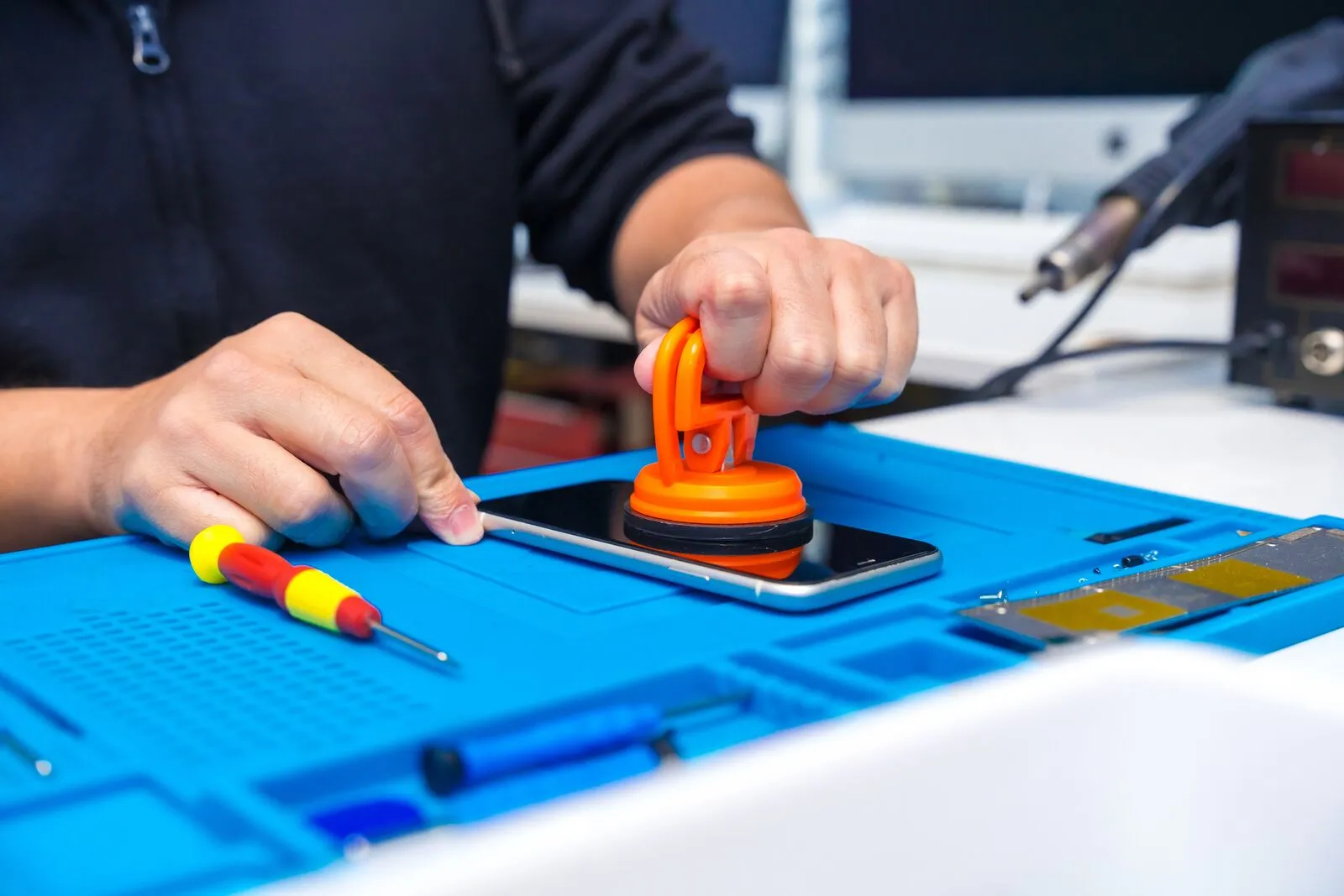
Units are inspected and graded to your criteria. Repairable units move to the depot with a repair order, technician assignment and a quote where the customer must approve before work starts. Parts can be harvested from units that cannot be fixed.
Disposition, credit and reorder
The route is set at grading: restock, refurbish, return to vendor, scrap or resale. Credit, replacement and reorder details post to the ERP, so the dealer sees a fast answer and your planners see stock that is back on the shelf.
See: recommerce, return to vendor
| Condition at inspection | Typical route | Recorded on the return |
|---|---|---|
| Dealer return, within policy and below approval limit | Auto-approved, RMA issued, receive and restock | Account, policy applied, RMA, quantity, serial where held, timestamp |
| High-value return above the approval limit | Held for approver, then RMA issued | Value, approver, decision, reason, timestamp |
| Defective serialised unit, in warranty | Entitlement confirmed, unit to repair depot, replacement or advance exchange if agreed | Serial, contract, entitlement result, fault reason, repair order, timestamp |
| Carton arrives with no RMA | Blind receipt, held until matched or approved | Sender, contents, photos, discrepancy, decision, timestamp |
| Unit fails inspection and cannot be repaired | Harvest parts, return to vendor, or scrap | Grade, photos, parts pulled, route, serial, timestamp |
Example configuration. Programs set their own grades, thresholds and routes.
Can Dealer Returns Management, Distributor and Plant Returns Run in One Record?
Yes. A dealer uploads a list of twelve parts. A distributor returns a batch of stock that never sold. A plant sends back one failed drive under a service contract. All three land in the same system. Each line is checked against the order, the account policy and the serial before it is approved, and each unit keeps a single history. Your own facilities and third-party partners can receive and process against the same RMA, so nobody rebuilds the story from emails.
See: B2B bulk returns
One record, every partner
- Dealer and distributor lists checked line by line before approval
- Blind returns received and matched later, with the discrepancy on record
- Owned sites and third-party partners receiving against the same RMA
- SKU-level status your customer service team can read without asking the dock
How Do You Catch Wrong Parts, Serial Mismatches and Warranty Abuse?
You catch them by comparing what was promised with what arrived, at the moment it arrives. A carton with the wrong quantity, a serial that belongs to another buyer, or a unit outside coverage all show up as discrepancies against the RMA. ReverseLogix surfaces the signals and keeps the photos and history. It does not prevent fraud or guarantee detection. Your team decides what to do with each case, with the evidence in front of them.
- Quantity received that differs from the quantity approved
- Serial number on the unit that does not match the serial on the order or contract
- Claims on units outside warranty or outside the account’s entitlement
- Repeat returns from the same account, part or reason
- Units approved for return that never arrive
Your ERP Stays the System of Record
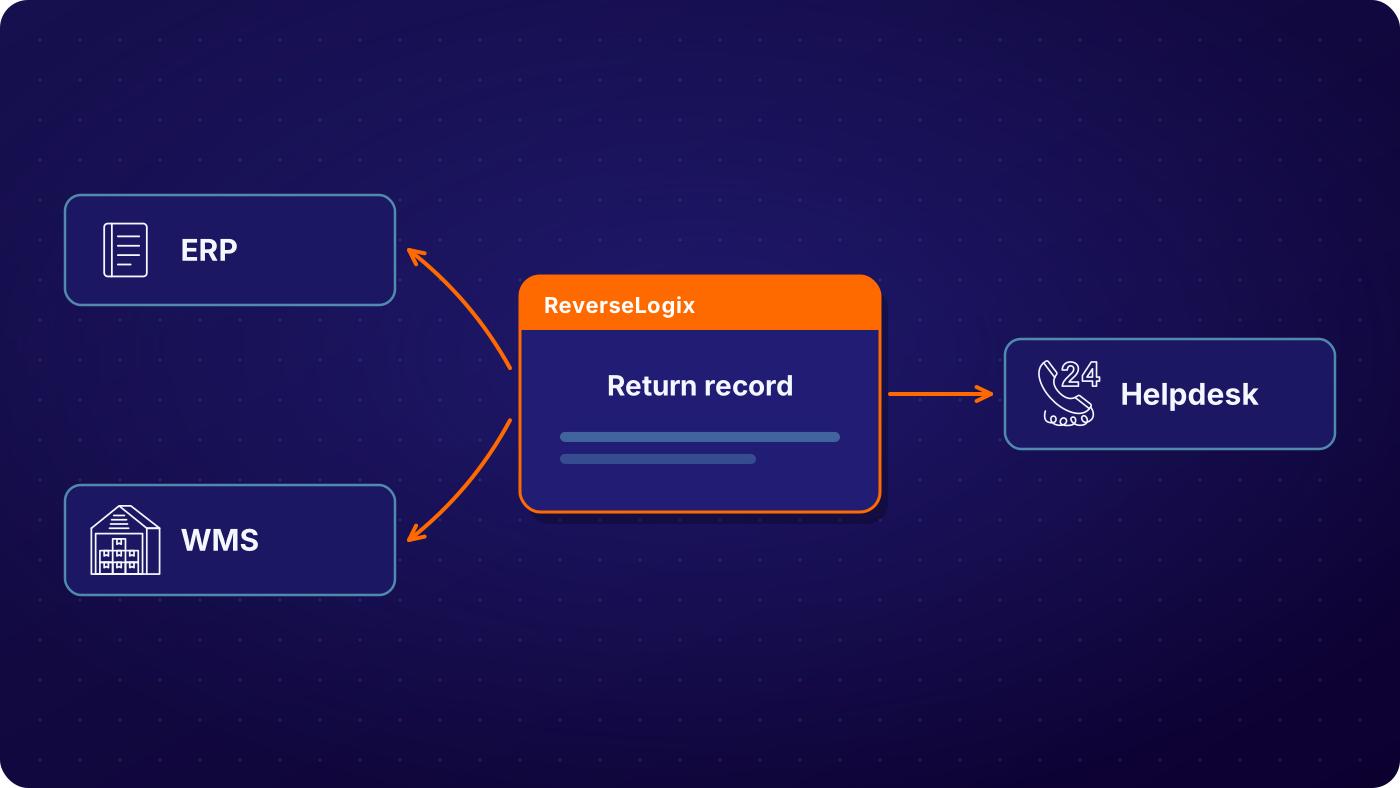
ReverseLogix authors the return and posts to your systems of record. It integrates with SAP, Oracle, NetSuite and Microsoft Dynamics 365, with WMS platforms such as Blue Yonder, Manhattan, Korber and SAP EWM, and with helpdesk tools like ServiceNow, all API-first. It does not replace any of them. The project takes mapped fields, a sandbox, user acceptance testing and a go-live plan. Standard initiation goes live in 4 to 6 weeks. Repair and depot flows take longer.
See: integrations, SAP, implementation
Records for Warranty Contracts, Serial Traceability and Safety Notices
Industrial customers audit. A dealer disputes a denied claim. An OEM contract sets who pays. A safety notice arrives and someone has to find every affected serial and see where each one went. ReverseLogix keeps the entitlement result, contract terms applied, inspection photos, grade, repair history and disposition against each serial, with role-based access and a full audit history on every record.
Rules for shipping batteries, fluids and other regulated goods, and for handling safety notices, belong to your compliance team. ReverseLogix does not give regulatory advice or claim compliance on your behalf. It runs the steps your team defines and records what happened, so the answer to an auditor is a lookup, not a search. Certifications are shared during evaluation.
See: warranty management
Your next questions, answered

Industrial equipment returns management software: questions and answers
Industrial equipment returns management software runs a returned machine, component or spare part through request, approval, warranty check, receiving, inspection, repair and disposition in one system. ReverseLogix is built for manufacturers whose dealers, distributors and plants send returns as lists, claims and blind cartons, and it posts the outcome to your ERP.
Yes. Entitlement is checked at request against the serial, the purchase record, the account policy and the OEM contract terms you load. The result is stored on the record. Out-of-coverage claims can be declined or routed to a quote before anything ships, so your depot does not repair units that were never covered.
You set the rules and the system applies them line by line. A return below a value limit can be approved on its own, while a larger one goes to a named approver. Rules can vary by account, return type and reason. Each decision, approver and timestamp is kept on the record.
The dock receives it as a blind return, and the system creates a record with photos and contents on the spot. It is held as a discrepancy until someone matches it to an account or approves it. Nothing sits on a shelf without an owner, and the decision is logged.
Yes. A dealer or distributor can start a return in the B2B portal or upload an ASN. Every line is checked against the order, policy and serial, and valid lines move ahead while rejected lines are separated with a reason. Your team no longer re-keys a spreadsheet into the ERP.
Yes. Repairable units get a repair order, technician assignment and a customer quote approval before work starts. Grades, photos, parts used and the final route stay with the serial. Units that cannot be fixed can have parts harvested, go back to the vendor or be scrapped. Depot and repair flows add time to the go-live plan.
No. Your ERP and WMS stay the systems of record. ReverseLogix integrates with SAP, Oracle, NetSuite and Microsoft Dynamics 365, and with WMS platforms including Blue Yonder, Manhattan, Korber and SAP EWM. The project covers field mapping, a sandbox, user acceptance testing and a go-live plan.
Further reading: Reverse Logistics Association.
See Where Your Equipment Returns Slow Down
A specialist walks through your dealer approvals, warranty checks and depot flow and shows where time and stock are lost, before any demonstration.


