

Retail Returns Management Software for store, online and marketplace returns
One returns record for every channel, with exchanges offered first and each item sent where it earns the most.
A jacket comes back to a store counter on Saturday. The same style arrives by post on Monday, and a marketplace order for a third lands on Tuesday. Each channel has its own form, its own rules and its own spreadsheet, and nobody can say what happened to the first one. ReverseLogix is retail returns management software for retailers that sell in stores, online and on marketplaces. It puts intake, approval, exchanges, inspection, routing and refunds in one system, and posts the result to the ERP, WMS and commerce platform you already run.
Returns teams using ReverseLogix include:


Why Is Omnichannel Returns Management So Hard for Retailers?
A return is the only order that runs backwards through the whole business. It touches the store, the carrier, the DC, customer service and finance, and each of them keeps its own version of the truth.
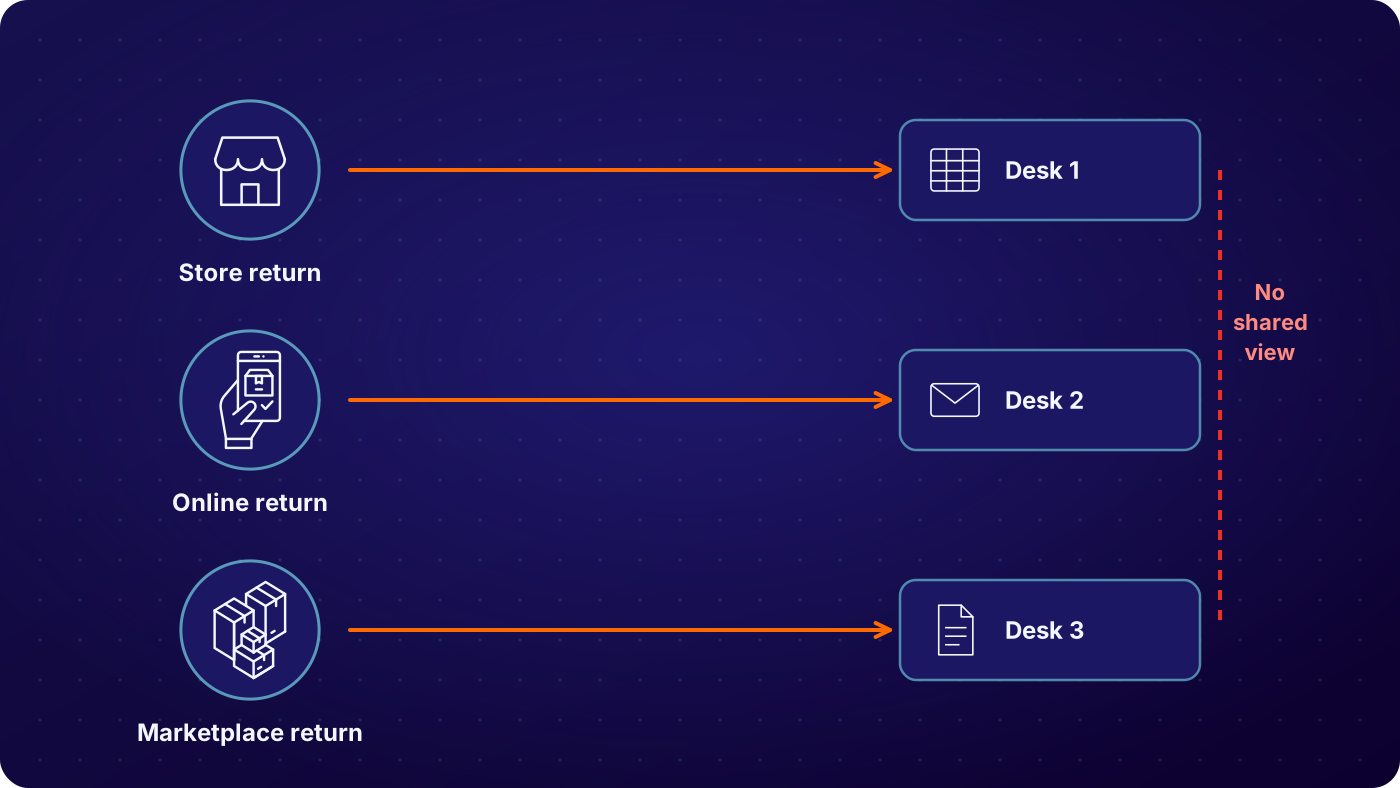

Three channels, three rulebooks
Store, online and marketplace returns follow different windows, forms and refund paths. The customer sees one brand. Your team sees three processes and a lot of double touches.

Refunds leave before the goods arrive
Credit goes out on a promise, then the box turns up light, worn or not at all. Finance is left reconciling by hand, and the margin quietly goes with it.

Nobody knows where the item went
A parcel is dropped at a carrier, scanned once, and then silence. Customer service takes the call, and the answer is a search across three screens.

Good stock sits in a queue
Sellable items wait behind damaged ones on the same pallet. By the time someone grades them, the season has moved on and the price has dropped.
How Does a Retail Return Move Through One System?
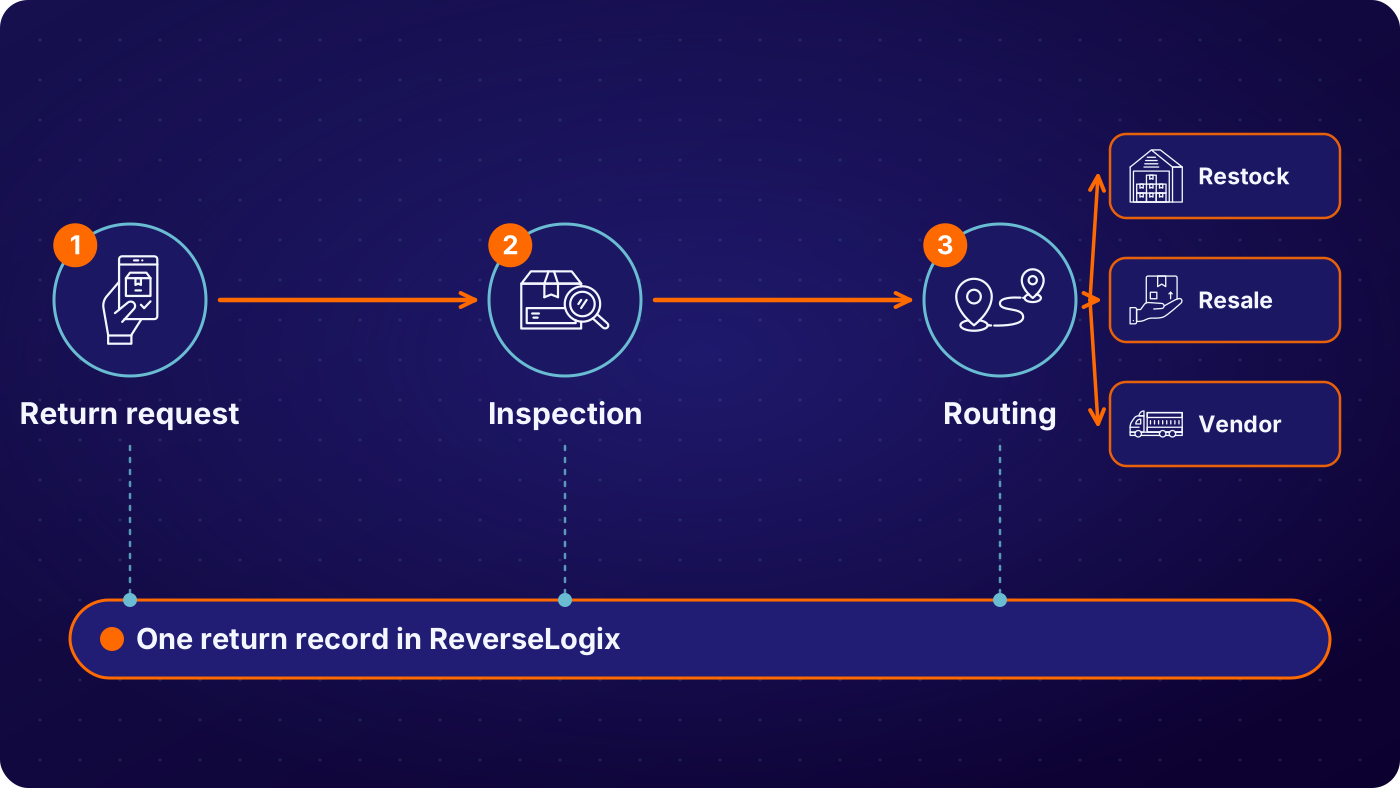
Start the return in any channel
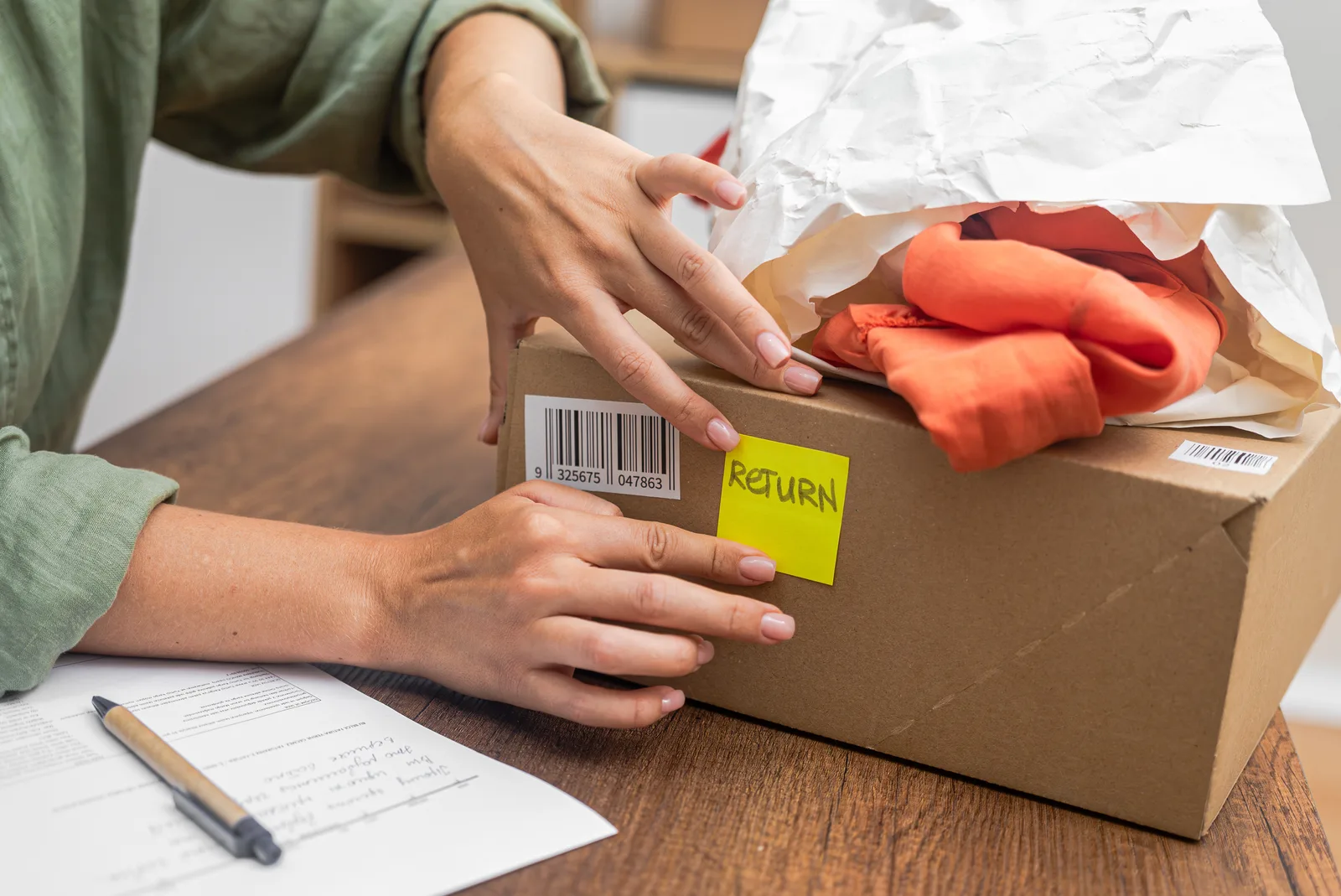
The customer starts in the portal, at a store or through a marketplace. The system checks the order, the window and the reason against your rules. It can approve the return, reject it or flag it for review, based on conditions you set. Exchanges are offered first, and a rule can make an exchange the easier choice than a refund.
See: returns initiation
Choose how the item travels
The customer picks a drop-off location, a store or a courier. A box-free option issues a QR code, so there is no label to print and no box to find. The refund trigger at custody transfer is standard, so the customer sees progress the moment the parcel changes hands.
See: returns initiation
Receive, inspect and grade
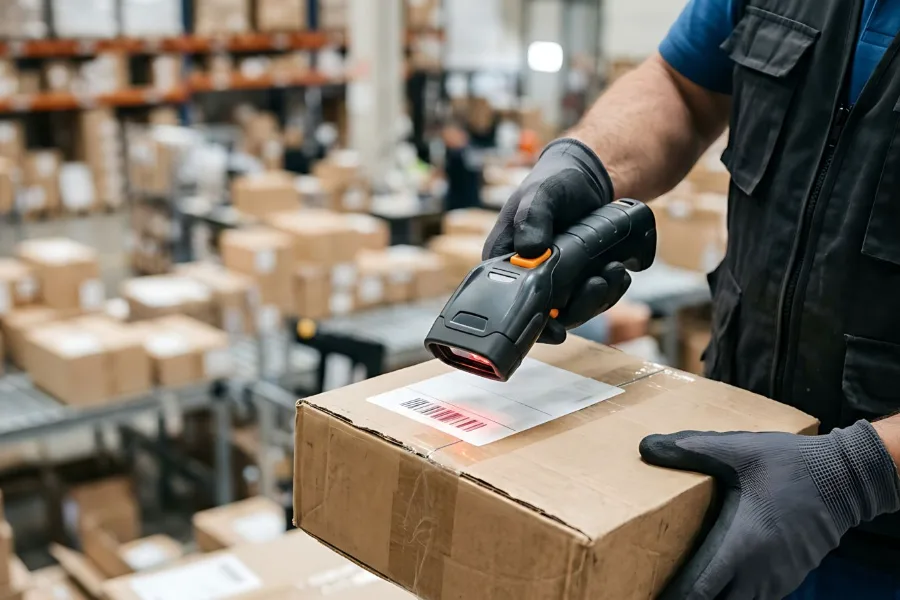
Each item is received against its return record and graded on criteria you define. The grade, the photos and the reason are written to the record. Anything that does not match the record is held for a person to look at.
See: returns processing

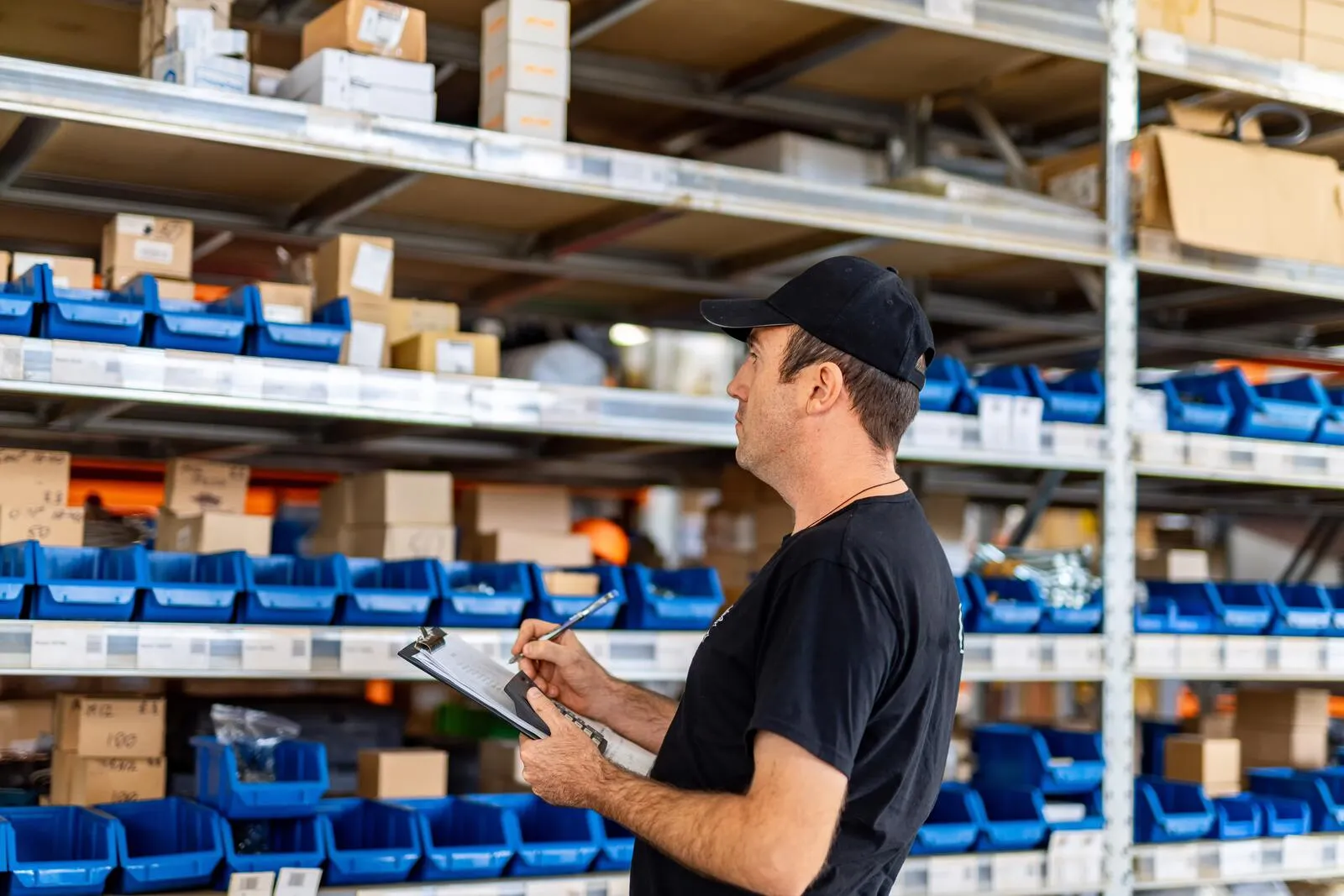
Route to the place it earns the most
The grade sets the destination: back to a DC, a repair centre, a third-party vendor or a secondary market. The route is written to the record, and the ERP is updated. Nothing waits for someone to decide where the pallet goes.
See: recommerce, return to vendor
| Condition at inspection | Typical route | Recorded on the return |
|---|---|---|
| Unworn, tags on, within window | Restock at the DC or store | Grade, reason, route, item and order reference, timestamp |
| Opened, light wear | Secondary market or outlet channel | Grade, photos, route, timestamp |
| Defective, covered by warranty | Repair centre or return to vendor | Fault reason, entitlement result, route, timestamp |
| Wrong item or item does not match the order | Hold, flag for review, refund rule applied after review | Mismatch, photos, reviewer, decision, timestamp |
| Customer chose an exchange | Replacement ships, original tracked to receipt | Exchange order, original return status, timestamp |
Example configuration. Programs set their own grades, thresholds and routes.
Can Store and Online Returns, Plus Marketplace Returns, Run in One Record?
Yes. A shopper returns at a store counter, another sends a parcel from a drop-off point, and a marketplace forwards a batch of rejected orders. All three land in the same system, each tied to its order and its item. Store staff and partner locations see the same record your service team sees. The unit keeps one history, whichever door it came through, and nobody reconciles two lists at month end.
See: marketplaces and D2C returns, enterprise ecommerce returns
One record, every channel
- In-store and partner drop-off returns matched to the online order
- Box-free returns with a QR code, no label to print
- Marketplace returns checked against the order and the window
- Refunds, credits and exchanges posted to your ERP
How Do You Spot Wardrobing, Wrong-Item and Policy Abuse Returns?
You spot them by comparing what the customer said with what arrived, across every channel, on one record. Wardrobing, swapped items, empty boxes and repeat claims all look ordinary in a single channel. Side by side they show a pattern. ReverseLogix checks returns at intake by serial, frequency and reason, and Vision AI can grade photos so a mismatch shows before the parcel ships. It surfaces the signals and keeps the evidence. It does not prevent fraud or guarantee detection, and your team decides what happens to each case.
- The same customer returning across store, online and marketplace within a short window
- A serial number or item that does not match the order
- Return reasons that repeat for one customer, one SKU or one location
- Photos that do not match the grade or the reason given
- Returns authorized but never received
Your ERP, WMS and Commerce Platform Stay the Systems of Record
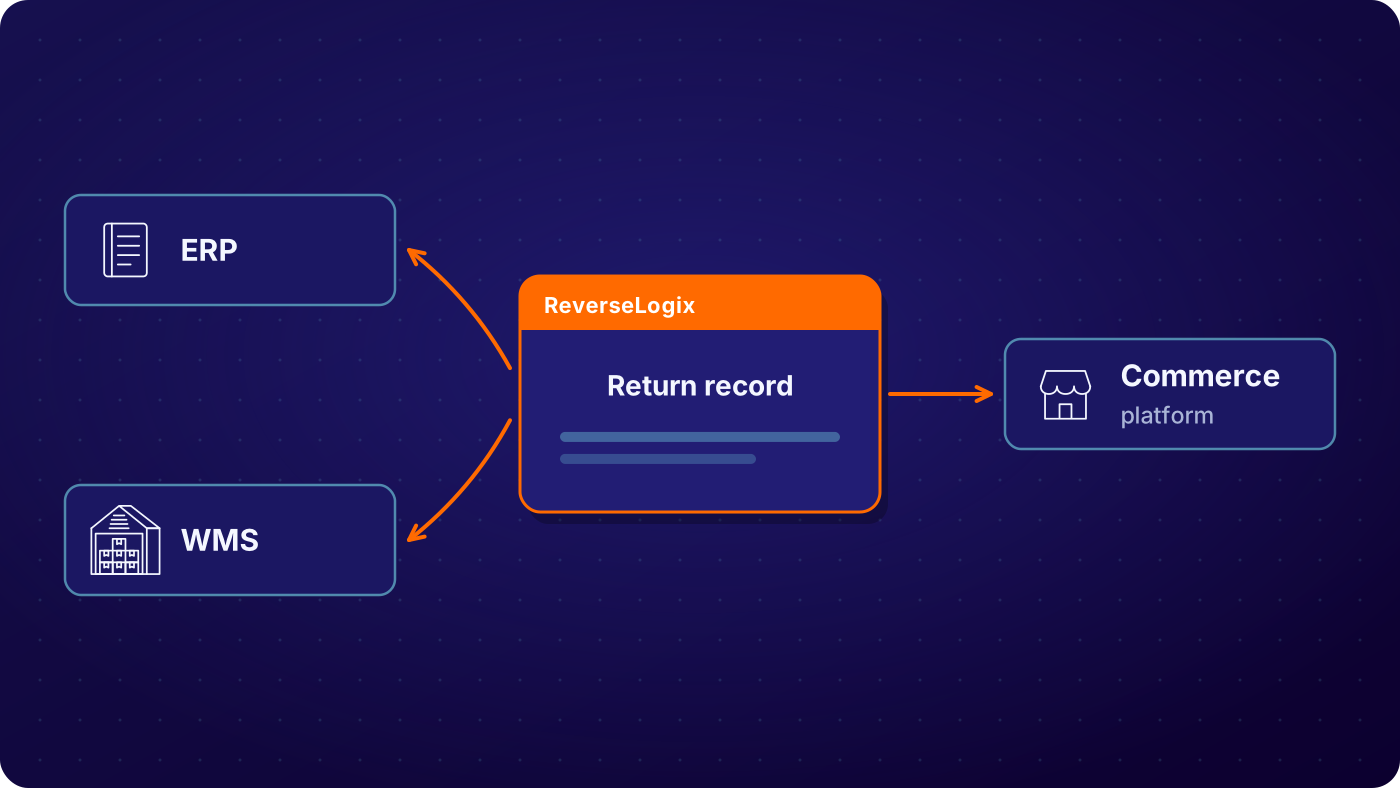
ReverseLogix keeps the returns record and posts to the systems you already run. It integrates with SAP, Oracle, NetSuite and Microsoft Dynamics 365, with Shopify, Magento, BigCommerce and WooCommerce, and with WMS platforms including Blue Yonder, Manhattan, Korber and SAP EWM. It connects to over 400 carriers in more than 100 countries and is API-first. An integration takes mapped fields, a sandbox, user acceptance testing and a go-live plan. Standard go-live for initiation is 4 to 6 weeks, and repair flows extend it.
See: integrations, implementation
What Records Does a Retailer Need for Refund Timing, Consumer Rights and Recalls?
Refund timing and return rights differ by market. In the European Union, distance sellers generally owe a 14 day right of withdrawal, and in the United States the rules vary by state and by your own policy. ReverseLogix does not give legal advice. Your legal and finance teams set the rules, and the system applies them and records when a return was requested, received and refunded, so you can show what happened and when.
When a product is recalled, someone has to find the affected units and see where each one went. Every record carries the order, the reason, the condition, the photos and the route, and every change has a full audit history with role-based access. Certifications are shared during evaluation.
See: security
Your next questions, answered

Retail returns management software: questions and answers
Retail returns management software runs a return from the first request to the final outcome in one system. It covers intake, approval rules, exchanges, drop-off options, inspection, routing and refunds. ReverseLogix does this for store, online and marketplace returns together, and posts the result to your ERP, WMS and commerce platform.
Yes. You set rules that offer an exchange first and can make it the easier choice than a refund. The customer sees the replacement option at the start of the return, and the system tracks the original item until it is received. Refund remains available where your policy requires it.
Yes. You set the conditions, and the system approves, rejects or flags each return or exchange against them. Conditions can include the window, the reason, the item, the customer history and the channel. Flagged returns go to a person with the order, the photos and the history in front of them.
Yes. Customers can return at a drop-off location, at a store or through a courier, and a box-free option issues a QR code so there is no label to print. Every route lands on the same return record, so store and online returns are handled the same way.
The grade decides. Items can go back to a DC, to a repair centre, to a third-party vendor or to a secondary market, and you define the rules. The route is written to the record and posted to your ERP, so nobody has to decide where each pallet goes.
No. It surfaces the signals and keeps the evidence. Returns are checked at intake by serial, frequency and reason, and Vision AI can grade photos. It does not prevent fraud or guarantee detection. Your team reviews flagged cases and decides what to do with each one.
No. Your ERP, WMS and commerce platform stay the systems of record. ReverseLogix keeps the returns record and posts to them through API. An integration takes mapped fields, a sandbox, user acceptance testing and a go-live plan. Standard go-live for initiation is 4 to 6 weeks, and repair flows extend it.
Further reading: National Retail Federation research on retail returns.
See Where Your Returns Process Leaks Value
A specialist walks through your store, online and marketplace flows and shows where recovery is lost, before any demonstration.


