

Sustainable Returns Management with a record for every unit kept in use
Route each returned unit to resale, repair or reuse before recycling, and prove where it went.
Sustainable returns management is the practice of handling returned products so that as many as possible are resold, repaired, reused or recycled, and as few as possible are destroyed. Most companies have the goal and lack the record. A returned unit is written off in one system and leaves the building in another, and nobody can say what happened to it.
ReverseLogix supports sustainable returns management by giving every returned unit a grade, a rule-based route and a history. Resale, repair, return to vendor and recycling are dispositions on the same record, so the share that stays in use is a number you can report, not an estimate.

Returns teams using ReverseLogix include:











Why Is Sustainable Returns Management Hard to Deliver?
Sustainable returns management is hard because the cheapest decision at the dock is often to dispose of the unit. Without a fast way to judge condition and a route for each outcome, good product is thrown away.

Disposal is the default when nobody can decide
An associate with a full cage and no criteria will scrap a unit that could have been resold. The decision takes seconds and nobody reviews it. Multiply that by a peak season.

Second-life routes are not connected
Repair sits with one team, resale with another, vendor returns with a third and recycling with a contractor. If the returns area cannot hand a unit to each of them easily, the routes go unused.

Returns travel further than they need to
A unit is shipped to a central site, inspected, and shipped again to a repair partner or a resale channel. Each extra leg adds cost and emissions that a decision at the first touch would have avoided.

Nobody can evidence the claim
Sustainability reports ask how many units were reused, repaired, recycled and destroyed. If the answer comes from estimates, it will not stand up to a customer, an auditor or a regulator.
How Does Sustainable Returns Management Work in One System?
Stop avoidable returns at the request
The most sustainable return is the one that does not ship. Rules at initiation can offer an exchange, a keep-it refund for low-value items, or troubleshooting before a warranty return, according to your policy. Reason codes show which products are coming back and why, so the cause can be fixed.
See: returns initiation, analytics
Grade once, at the first touch
The unit is inspected against criteria for that product and graded where it lands. A clear grade is what makes a second life possible, because every later route depends on knowing the condition.
See: returns processing, Vision AI
Route to the highest-value second life
Rules send each grade to the best available outcome in order: back to stock, resale as open box or refurbished, repair, return to the vendor, parts harvest, and recycling last. Disposal needs a rule or an approver, so it stops being the easy option.

Report where every unit went
Each unit keeps its grade, route and final outcome. Totals by disposition are available by product, site and period, with the unit-level record behind them. That is the evidence a sustainability report or a customer questionnaire asks for.
See: analytics
| Condition at inspection | Typical route | Recorded on the return |
|---|---|---|
| Unopened or as new | Back to sellable stock | Grade, location, timestamp |
| Opened, complete and working | Resale as open box or refurbished | Grade, photos, channel, sale reference, timestamp |
| Faulty but repairable | Repair, then stock or resale | Fault, parts used, technician, result, timestamp |
| Defective, vendor responsible | Return to vendor for credit or rework | Fault reason, vendor, authorisation, credit, timestamp |
| Not recoverable as a unit | Parts harvest, then certified recycling | Parts recovered, recycler, weight or count, approver, timestamp |
Example configuration. Each program sets its own grades, routes and approval rules.
Who Uses Sustainable Returns Management, and What Does Each Team See?
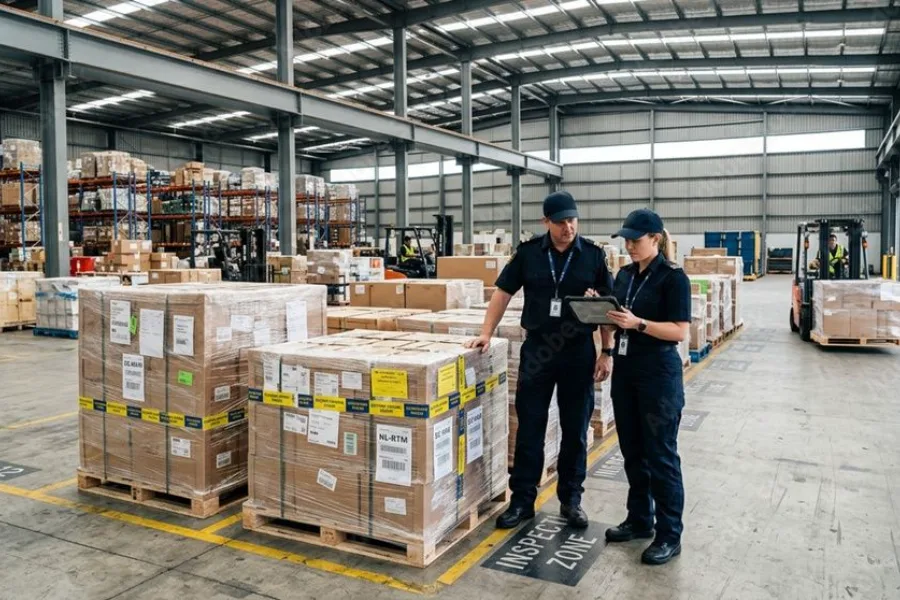
Four teams share the result. Operations sees which route each unit takes and what is waiting. The sustainability or ESG lead sees totals by outcome with the records behind them. Finance sees the value recovered through resale and repair against the cost of disposal. Customer service sees which option the customer was offered at the start. One record means the sustainability figure and the finance figure agree.
See: operations, finance
One record, every team
- Operations: route and next step for each graded unit
- Sustainability: units resold, repaired, reused, recycled and destroyed
- Finance: value recovered against disposal and write-off cost
- Customer service: exchange, repair or refund option offered at the request
What Can You See and Measure on Sustainable Returns?
You can see how many returned units stayed in use and how many did not, by product, site and period. ReverseLogix takes the inputs your sustainability team defines and builds the sustainability outputs from every recorded return. The figures rest on unit-level records, not on estimates.
- Share of returns going back to stock, resale, repair, vendor, recycling and disposal
- Units disposed of, with the rule or approver behind each
- Return reasons by product, to target avoidable returns
- Shipping legs per return, where a unit moved more than once
- Value recovered through resale and repair
Your ERP and Warehouse System Stay the Systems of Record
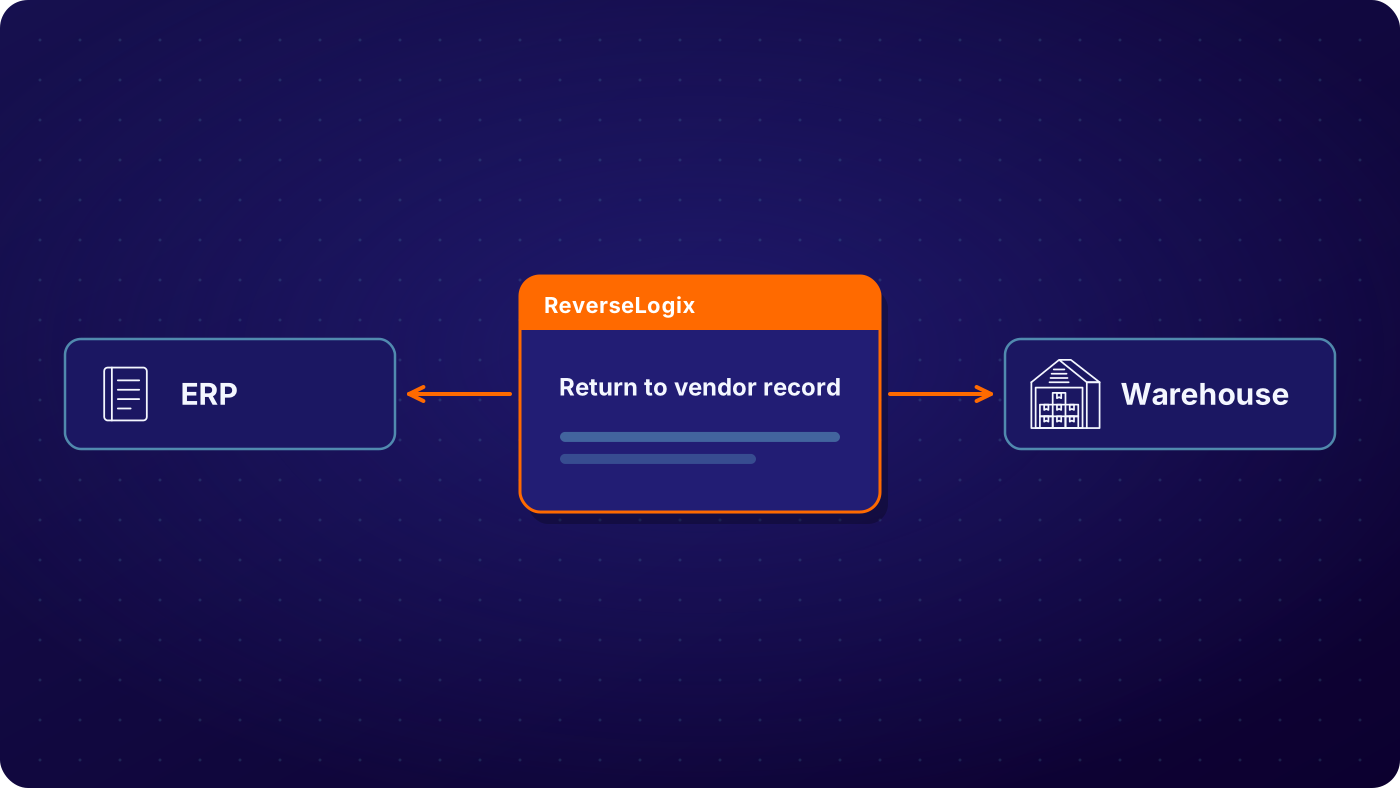
ReverseLogix runs the returns workflow and posts to your systems of record. Your ERP keeps inventory value and write-offs. Your WMS keeps stock locations. ReverseLogix integrates with SAP, Oracle, NetSuite and Microsoft Dynamics 365, and with warehouse platforms such as Blue Yonder, Manhattan, Korber and SAP EWM, through an API-first design. Disposition data can be exported to the reporting tool your sustainability team already uses.
See: integrations, implementation
Evidence, Access and Controls for Sustainability Reporting
Every returned unit carries a full history: the grade, the rule that set its route, who approved any override and where it finally went. When a customer, an auditor or a regulator asks how a figure was reached, the unit-level record answers it.
Role-based access decides who can change a disposition rule or approve a disposal. Every change is written to the audit history. Your sustainability and compliance teams own the reporting framework and the claims you make. The system records the steps and the outcomes they rely on. ReverseLogix certifications are shared during evaluation.
See: platform security
Your next questions, answered

Frequently asked questions
Sustainable returns management is handling returned products so that as many as possible are resold, repaired, reused or recycled and as few as possible are destroyed. It also means preventing avoidable returns and cutting unnecessary shipping. In practice it depends on grading each unit quickly and having a route ready for every condition.
It makes the better outcome the easy one. Inspection criteria and routing rules send each unit to resale, repair, the vendor or recycling without a supervisor deciding case by case. Disposal needs a rule or an approval. Every outcome is recorded, so the results can be reported with evidence.
Yes. Each unit has a final disposition, so you can report the number and share that went back to stock, to resale, to repair, to a vendor, to recycling and to disposal, by product, site and period. The figures come from recorded outcomes, and the platform applies the inputs your team sets to turn them into the sustainability outputs you report.
ReverseLogix records every unit, its disposition and its shipments. It takes the inputs your sustainability team defines and builds the sustainability outputs from those records, by product, site and period. The same data can be exported to the ESG or reporting tool your team already uses.
Recommerce gives a graded unit a second sale. Units graded open box or refurbished can be listed on a branded storefront or a marketplace from the same record. Each resale is a unit kept in use and revenue recovered. See recommerce.
Yes, in two ways. Rules at the return request can offer an exchange, troubleshooting or a keep-it refund where your policy allows. Reason codes and product-level reporting show which items come back most and why, so product, content and packaging teams can fix the cause.
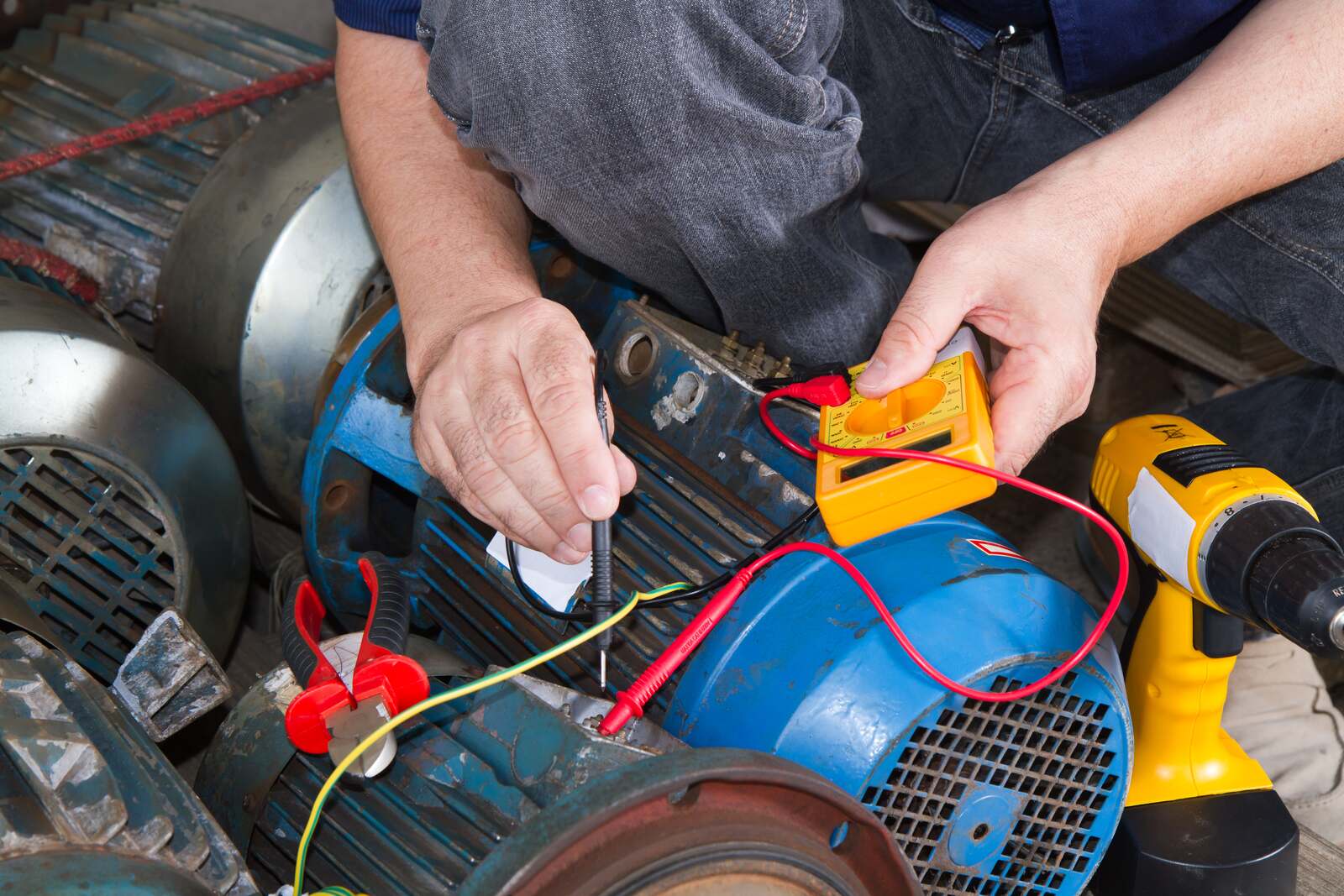
Yes. Repair is a disposition on the same record, with fault analysis, parts used and the result recorded for each unit. In-warranty and out-of-warranty repairs follow their own rules. A repaired unit returns to the customer, to stock or to resale. See repair management.
Standard go-live for returns initiation is 4 to 6 weeks. Processing rules, disposition routes, resale channels and ERP integration are extra configuration, so plan the timeline with your specialist. Repair and technician flows extend the project further.
Further reading: Reverse Logistics Association.
See Where Your Returns Could Stay in Use
A specialist walks through your returns flow, from request to final disposition, and shows where units are lost to disposal, before any demonstration.


