

AI Returns Management that checks the photo before the box ships
Vision AI grades and screens returns at initiation. Fraud signals and rules-based disposition do the rest. Your team keeps the decision.
A customer uploads a photo of a cracked speaker. The serial on the order says it shipped eleven months ago. The same address has filed four claims this quarter. Someone on your team has to spot all of that, on a queue of two hundred other returns. ReverseLogix is AI returns management software. Vision AI reads the photos at initiation and grades the item. Fraud signals by serial, frequency and reason flag the claim. Rules you set decide where the unit goes.
This page says what the AI does and where it stops. It sorts, flags and grades. It does not decide who is lying, and it does not replace your inspectors. Every result lands on the return record, so a person can see it, check it and overrule it.

Returns teams using ReverseLogix include:








What Problems Does AI Solve in Returns Management?
AI in returns solves four jobs that eat labor: judging condition from a photo, catching claims that do not add up, sending each unit to the right place, and keeping the evidence. It does not solve bad policy or missing data. Here are the four pains it goes after.

Condition is judged after the box has already moved
By the time someone opens the carton, the label is paid and the unit has travelled. A photo at request lets the grade come first.

The claim looks fine until you line it up
One serial returned twice. One customer with a run of claims. One reason that never changes. Nobody sees the pattern when each return is a separate email or row.

Grading depends on who is on shift
Two inspectors, one scratched unit, two grades. Without clear criteria and proof on the record, the outcome is a guess and the dispute has no evidence.

Every exception is a manual touch
Each odd return goes to a person, a spreadsheet or an email thread. Labor is spent on the routine cases that a rule could route in seconds.
How Does AI Returns Management Work, Step by Step?
Photos are read at initiation
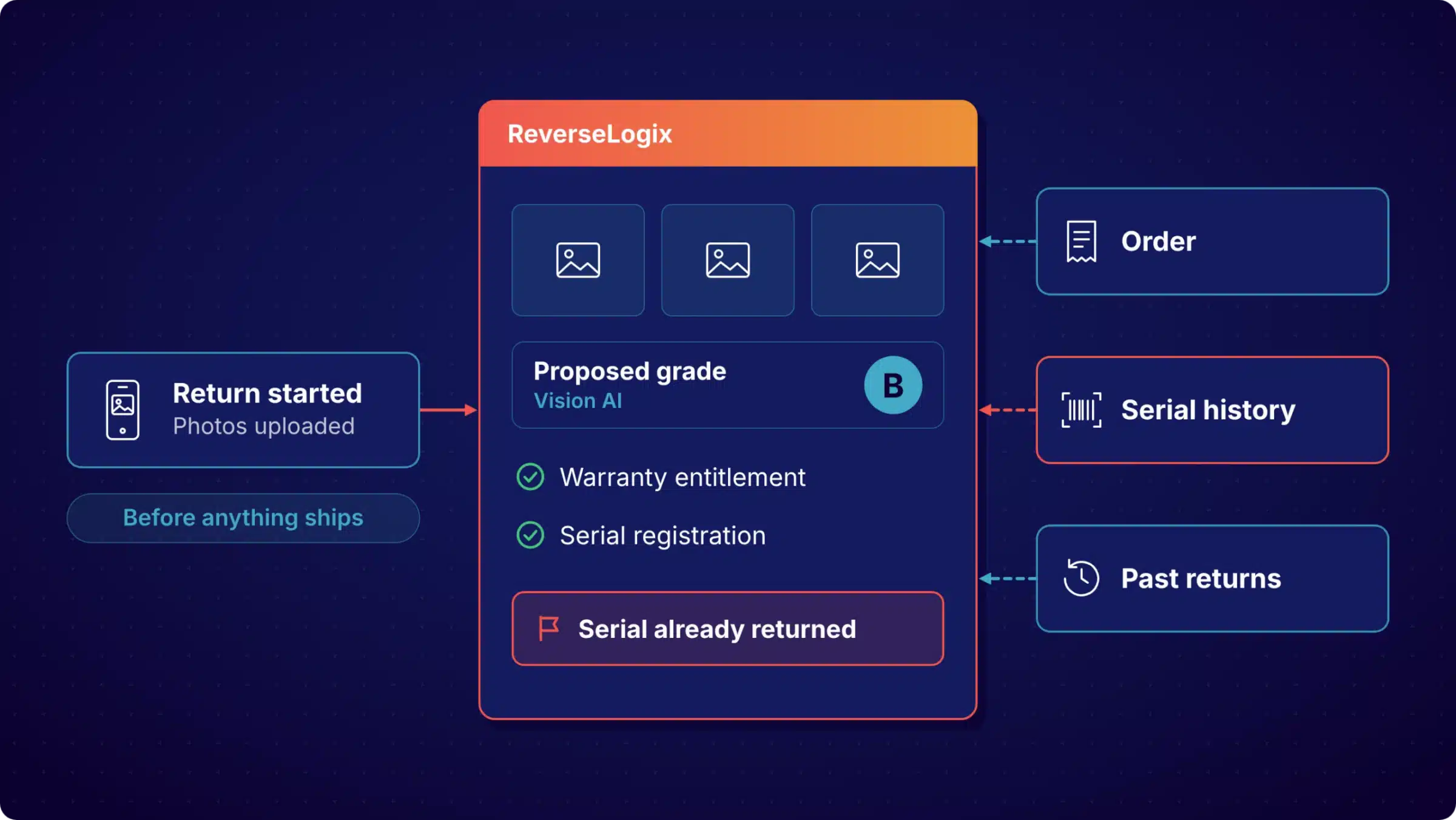
The customer or agent starts the return and uploads photos. Vision AI checks them against the item and proposes a condition grade before anything ships. Warranty entitlement and serial registration are checked at the same request.
See: Vision AI, returns initiation
Signals are checked by serial, frequency and reason
The claim is compared with the order, the serial history and the claimant’s past returns. A serial already returned, a run of claims from one customer or one address, or a reason that does not fit the item raises a flag on the record.
Rules route the unit
You set the rules by SKU, category, grade and reason. A clean claim gets a label and moves. A flagged one is held for a person. The refund trigger is set at custody transfer, so money does not move before the unit does.
See: returns processing
Receiving confirms the photo
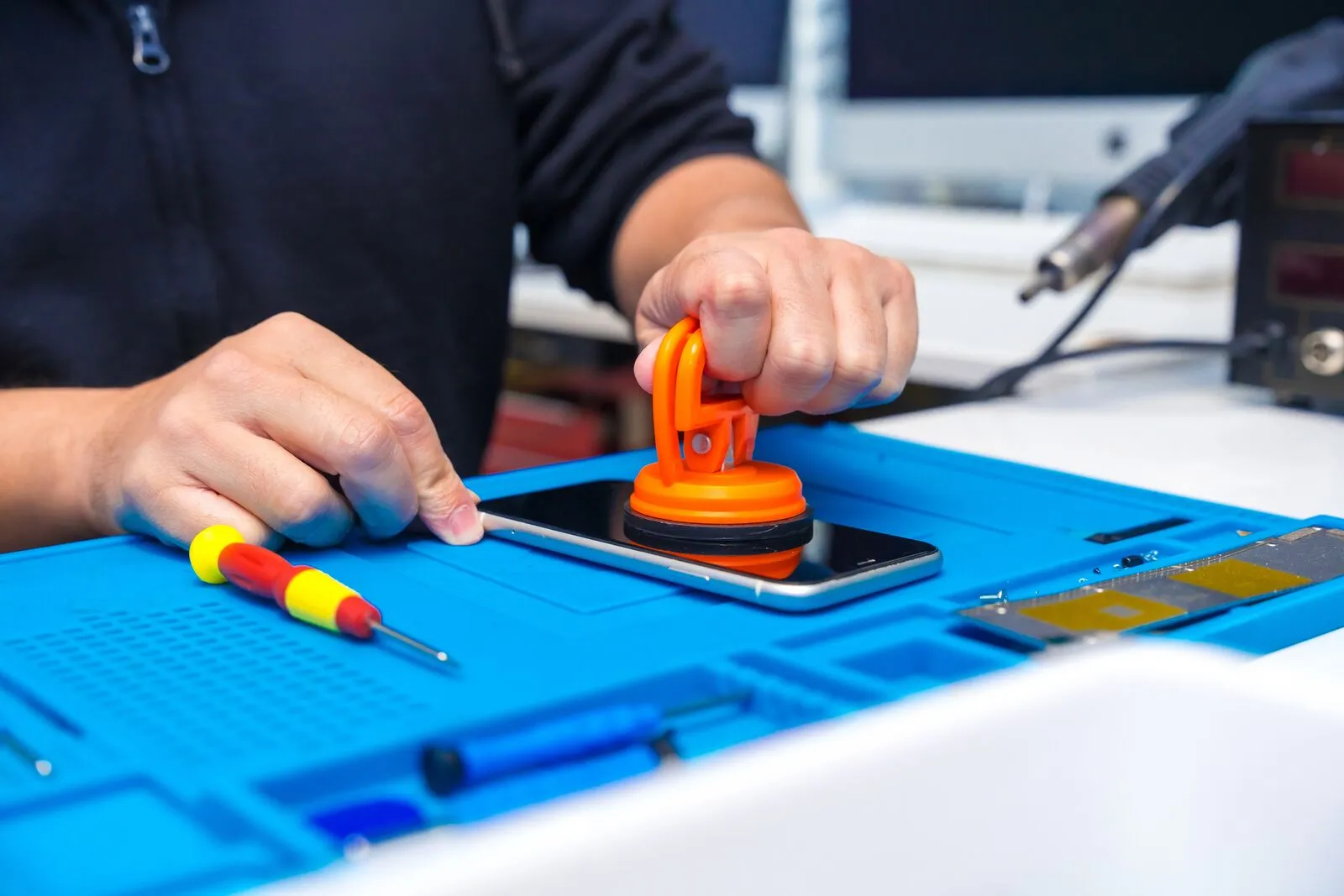
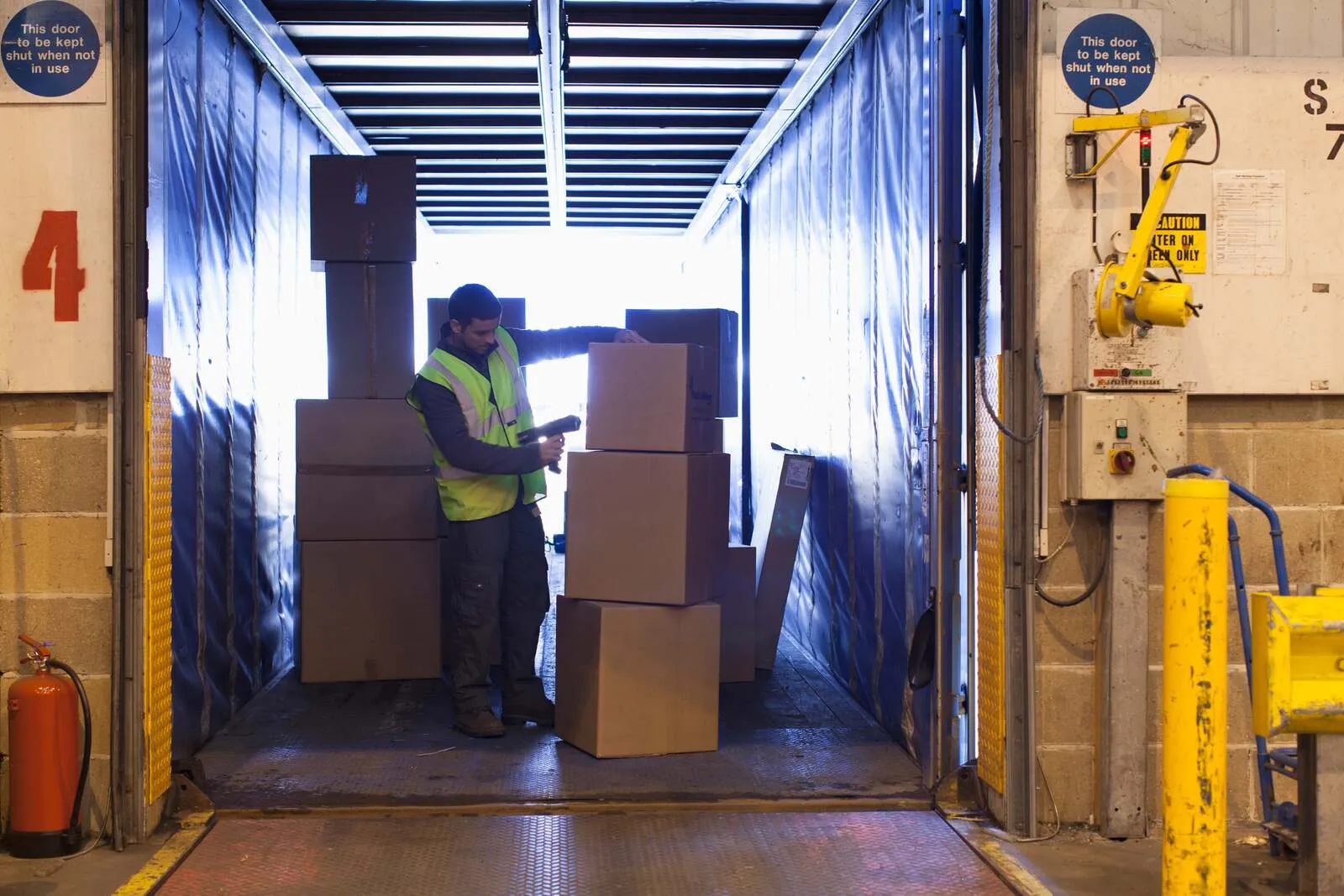
At the dock the unit is received against its RMA and inspected. The inspector sees the initiation photos and the proposed grade, and confirms or changes it. The final grade and disposition go on the same record.
See: RMA software, analytics
| Condition at inspection | Typical route | Recorded on the return |
|---|---|---|
| Photo matches item, grade A, no flags | Label issued, restock after receiving scan | Photos, proposed grade, route, serial, timestamp |
| Photo shows damage the customer did not report | Held for review, customer contacted | Photos, reason given, reviewer, outcome, timestamp |
| Serial already returned on an earlier claim | Flagged, no label until a person reviews | Serial, prior RMA, flag reason, decision, timestamp |
| Repeat claimant, several returns in a short window | Frequency rule applied, manual approval | Claim count, window, rule fired, approver, timestamp |
| Received unit grades lower than the photo grade | Grade corrected, disposition follows the final grade | Photo grade, final grade, inspector, route, timestamp |
Example configuration. Programs set their own grades, thresholds and routes.
Who Uses AI Returns Management, and What Does Each Team See?
Operations, customer service, fraud and risk, and finance all work from the same flagged record. The dock lead sees the initiation photos next to the unit. The service agent sees why a claim is held. The risk analyst sees the pattern across serials and claimants. Finance sees the grade and disposition behind each credit. Nobody rebuilds the story from another team’s email, and each unit keeps one history.
See: operations, customer service, finance
One flagged record, four views
- Operations: initiation photos, proposed grade and final grade at the dock
- Customer service: the reason a claim is held and what to tell the customer
- Fraud and risk: serial, frequency and reason signals across channels
- Finance: the grade and disposition behind each refund or credit
What Can You See and Measure With AI Returns Management?
You can see every flag, every grade and every override on the record, and measure how often the AI and your inspectors agree. ReverseLogix surfaces signals and keeps the evidence. It does not prevent fraud or guarantee detection, and a flag is a reason to look, not a verdict. Your team decides what to do with each case, and the history shows who decided what and when.
- Serial numbers returned more than once
- Claim frequency by customer, address or account
- Return reasons that do not fit the item or the photo
- Photo grade compared with the grade at receiving
- Units authorized for return but never received
Does AI Returns Management Replace Our ERP, WMS or Commerce Platform?
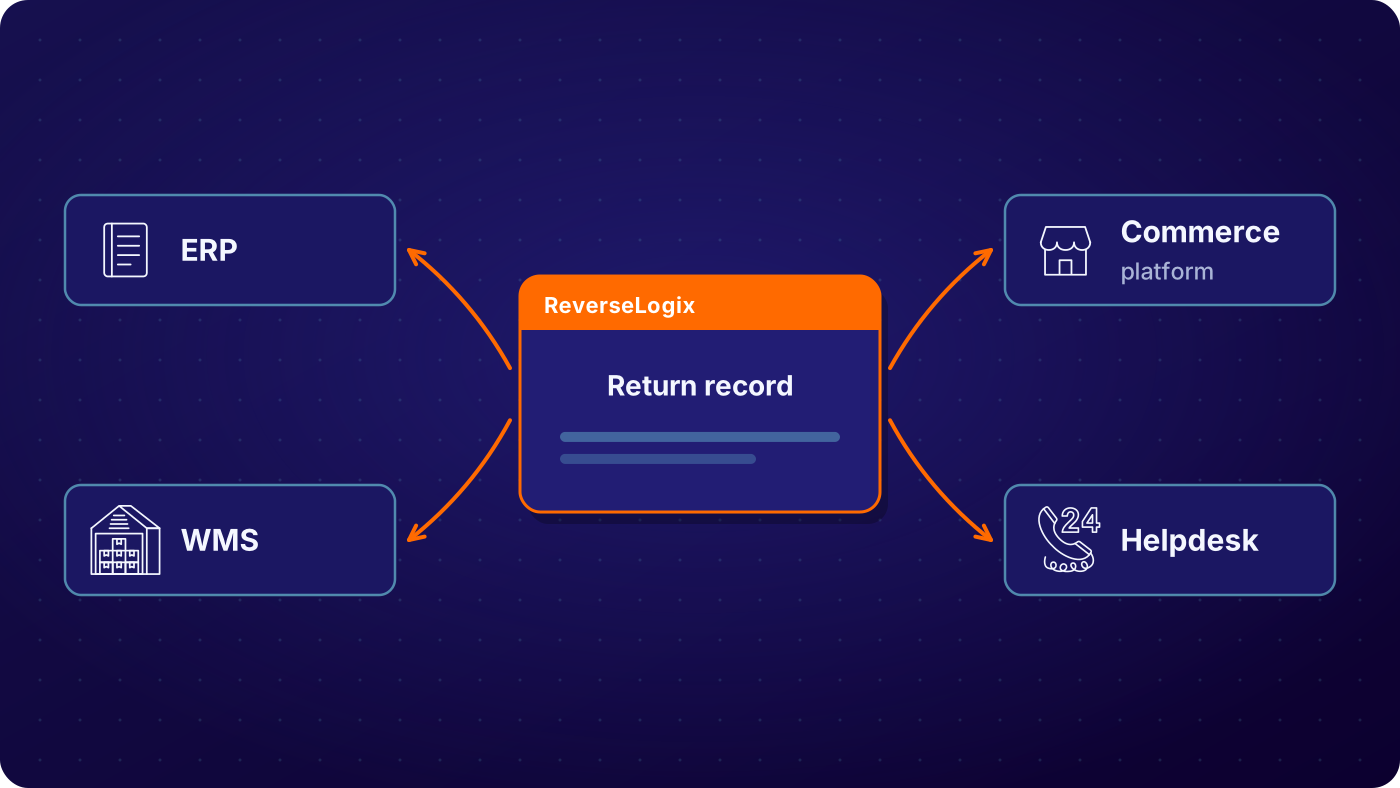
No. ReverseLogix keeps the returns record and posts to the systems you already run. It integrates with SAP, Oracle, NetSuite and Microsoft Dynamics 365, with Shopify, Magento, BigCommerce and WooCommerce, with WMS platforms such as Blue Yonder, Manhattan, Korber and SAP EWM, and with helpdesk tools such as Zendesk, Freshdesk and ServiceNow. It is API-first. Your ERP stays the system of record for stock and finance. Where your process needs a custom rule, the ReverseLogix team scopes and configures it with you.
What Audit Trail and Controls Sit Around the AI?
Every AI result is stored as data on the return record, with the photo, the proposed grade, the flag and the time. Any person who changes a grade or clears a flag is recorded too, so the history shows the machine suggestion and the human decision side by side. Access is role-based, so you choose who can see photos, clear flags or change rules.
The AI proposes and your rules and people decide. ReverseLogix does not claim the AI is always right, and it does not make legal or compliance judgments on your behalf. Rules can be reviewed and changed by your team, and certifications are shared during evaluation. Ask us how your team would review flagged cases before a program goes live.
See: platform overview
Your next questions, answered


AI returns management: questions and answers
AI returns management uses software to read return photos, flag claims that do not add up and route units by rule. ReverseLogix applies Vision AI and fraud signals at initiation, so condition and risk are known before a box ships. People still set the rules and make the final call on flagged cases. It is a sorting and evidence tool, not an autopilot.
AI can flag return fraud signals, but it cannot prove fraud or guarantee detection. ReverseLogix checks claims by serial, frequency and reason, and Vision AI reviews photos at initiation. A flag holds the claim for a person and keeps the evidence on the record. Your team decides whether to approve, deny or ask for more information.
Vision AI reads the photos a customer uploads with a return request and proposes a condition grade. It also supports photo fraud detection at initiation. That means damage, mismatches or a wrong item can show up before the unit ships. The inspector at the dock still confirms or changes the grade at receiving.
No. Rules you set decide when a refund is issued, and the standard trigger is custody transfer, when the carrier scans the parcel or the unit is received. AI results feed those rules as grades and flags. A flagged return can be held for review before any refund. Your team controls the thresholds and the exceptions.
Yes. A person can change a proposed grade or clear a flag, and the record keeps both the original result and the change, with who did it and when. Role-based access controls who is allowed to override. That history helps you check how often the AI and your inspectors agree, and adjust your rules.
It does not decide alone. Disposition is rules-based. You define routes by SKU, category, grade and reason, such as restock, open-box resale, repair, return to vendor or recycle. The grade, from the photo and the inspector, is one input to the rule. The route is written to the record.
AI does not replace inspection, fix a weak return policy or guarantee it catches every bad claim. It also cannot read what is not in the photo, such as a missing internal part. ReverseLogix uses it to sort, flag and grade earlier, while people handle judgment calls, exceptions and customer conversations.
Standard go-live for returns initiation is 4 to 6 weeks. Vision AI and fraud rules are configured within that initiation project, based on your categories, grades and thresholds. Repair and technician flows extend the timeline. Integration takes mapped fields, a sandbox, user acceptance testing and a go-live plan agreed with your team.
Further reading: National Retail Federation research on retail returns.
See What the AI Catches and What It Leaves to Your Team
A specialist walks through Vision AI grading, fraud signals and disposition rules on your own categories and shows where a photo at initiation would change the outcome.


