

3PL Returns Management Software for multi-client reverse logistics
Run returns for every client in one system, each with its own rules, portal and reports.
3PL returns management software is a system a third-party logistics provider uses to receive, grade, route and report on returned goods for many clients at once, with separate rules for each. On most 3PL floors today, returns are a cage at the back of the building and a spreadsheet per client.
ReverseLogix is 3PL returns management software built for multi-client operations. Each client has its own return policy, grading criteria, dispositions and reporting, and your team works all of them from one screen. Value-added services are recorded against the unit, so the work you do on a return is work you can bill.
Returns teams using ReverseLogix include:


Why Are Returns Hard for a 3PL to Run at a Profit?
Returns are hard for a 3PL because every client wants something different and the warehouse system was built for outbound. Without 3PL returns management software, the work gets done by hand, and much of it never reaches an invoice.

Every client has a different rulebook
One client wants every unit inspected and photographed. Another wants a quick check and straight back to stock. A third sends defects to its vendor. When the rules live in a binder or in someone’s head, the result depends on who is on shift.

The WMS treats a return like a receipt
A warehouse system can receive a carton. It does not hold a reason code, a grade, a customer refund or a disposition rule. So the return is received twice: once in the WMS and once in the client’s spreadsheet.

Value-added work goes unbilled
Retagging, cleaning, testing, data wiping and repacking all take labor. If the work is not recorded against the unit when it happens, it is estimated at month end or missed.

Clients cannot see their own returns
Clients ask where a return is, what condition it came back in and when the stock is sellable again. Answering by email takes your team’s time and makes the service look slower than it is.
How Does a 3PL Run Returns for Many Clients in One System?
Set up each client’s rules once
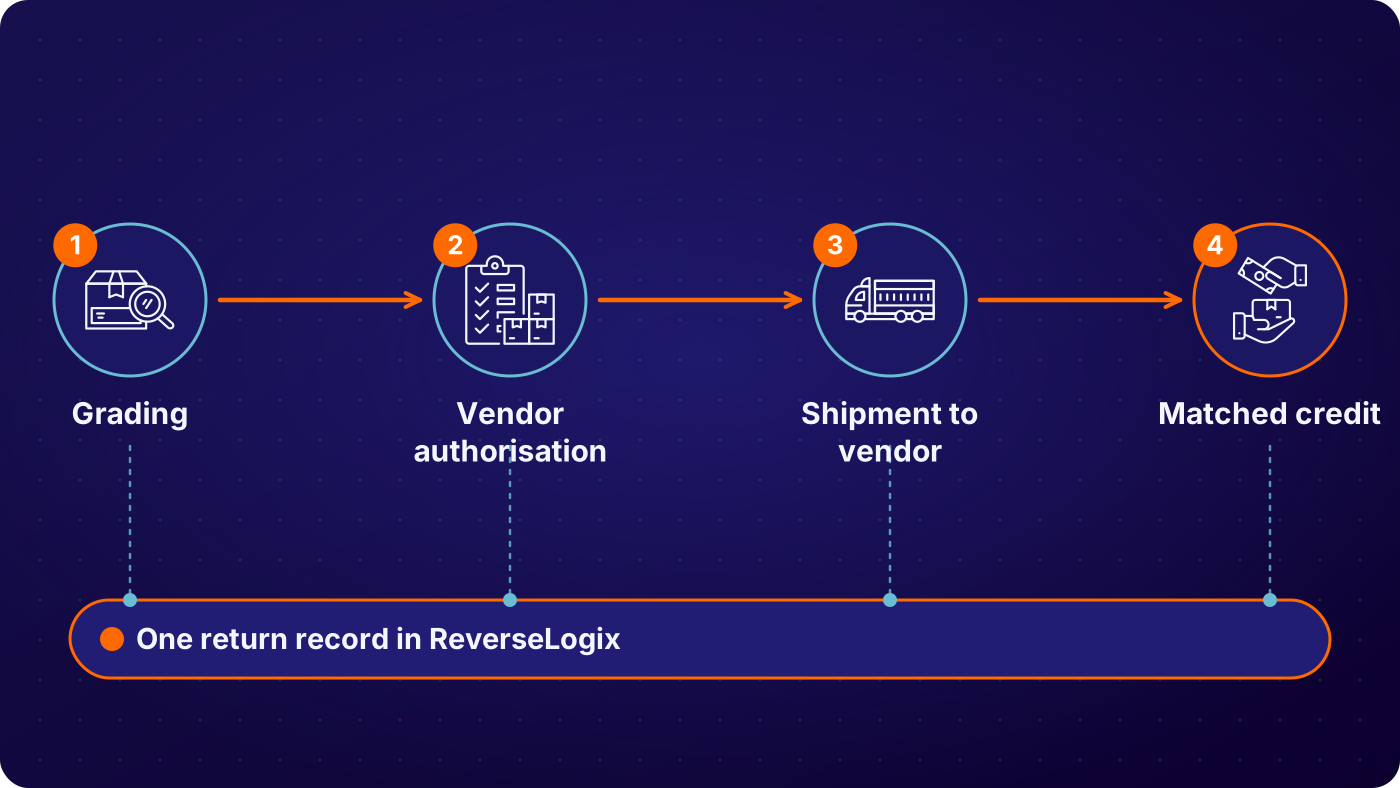
Each client is configured with its own return policy, reason codes, grading criteria and disposition routes. A client’s customers start the return in a portal that carries that client’s brand. The rules decide what is approved and where it ships, so your dock knows what is coming.
See: returns initiation, B2B bulk returns
Receive and grade against the client’s criteria
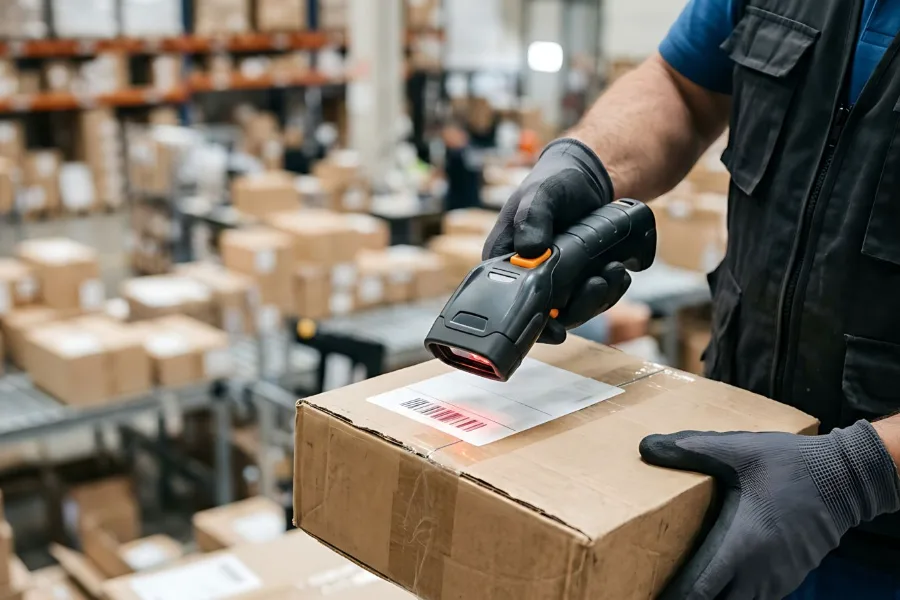
The associate scans the parcel and the system shows that client’s inspection steps for that product. The grade, the photos and any discrepancy between what was expected and what arrived go on the record. A new associate follows the same steps as your most experienced one.
See: returns processing, Vision AI
Route each unit and record the work
The grade sets the route: back to stock, repair, return to vendor, resale or recycling, according to that client’s rules. Any value-added service performed on the unit is logged as it is done, with the associate and the time.

Report to each client and bill for the work
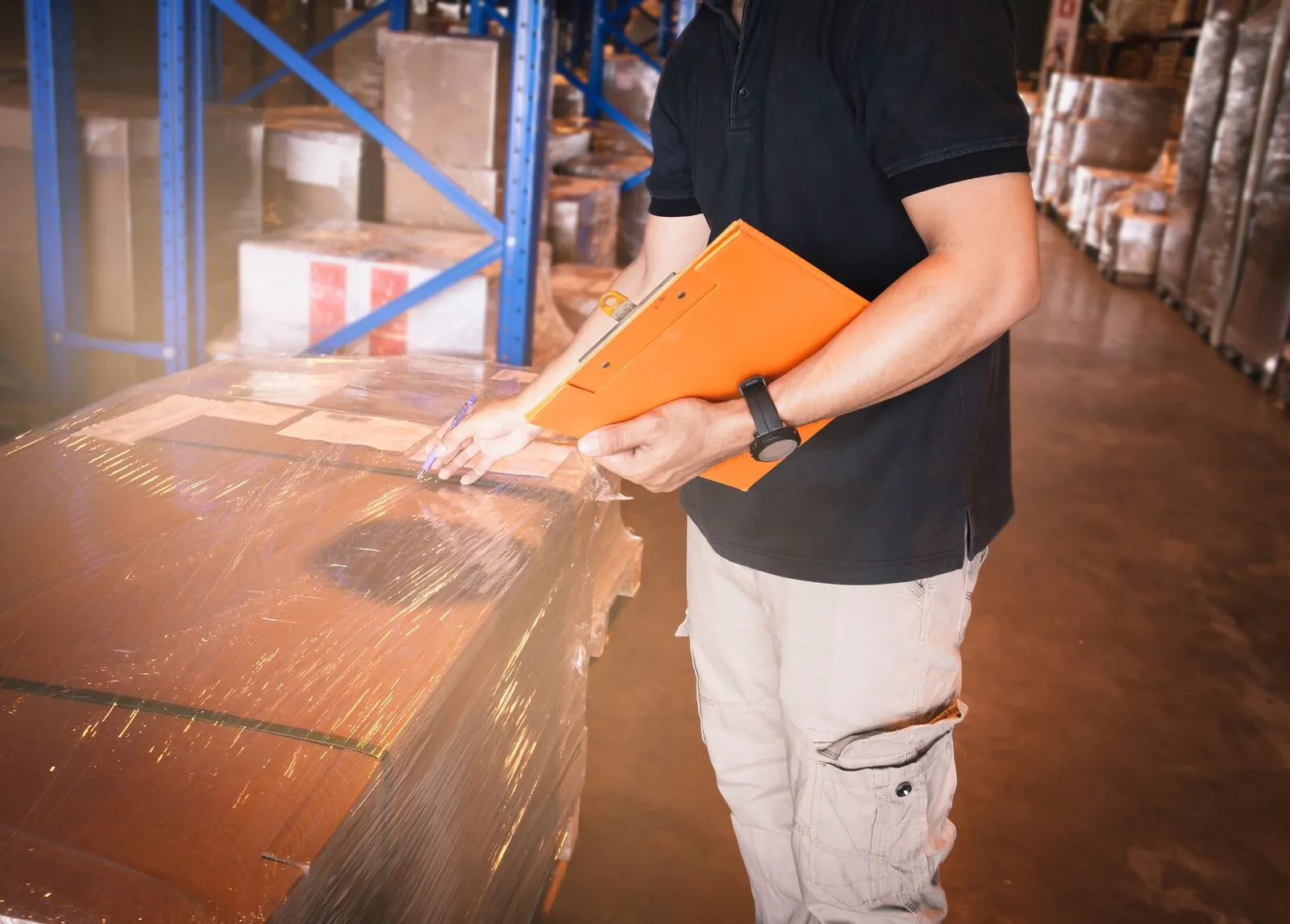
Each client sees its own returns: volumes, reasons, condition, time to process and where the stock went. The same record lists the services performed, which gives your billing team a clean basis for the invoice.
See: analytics
| Client program | Typical route | Recorded on the return |
|---|---|---|
| Apparel brand, unworn item in original packaging | Quick inspection, retag, back to sellable stock | Client, reason, grade, retag service, associate, timestamp |
| Apparel brand, worn or marked item | Cleaning or pressing, regrade, then stock or resale channel | Photos, grade before and after, services performed, timestamp |
| Electronics brand, opened unit | Function test and data wipe, then repack or route to repair | Serial, test result, wipe confirmation, services performed, timestamp |
| Any client, defective unit inside the vendor window | Held and consolidated for return to vendor | Fault reason, photos, vendor, window date, batch, timestamp |
| Any client, unit not worth recovering | Recycling or disposal under the client’s rule | Grade, rule applied, approver, weight or count, timestamp |
Example configuration. Each client sets its own grades, services and routes.
Who Uses 3PL Returns Management Software, and What Does Each Team See?
Four groups work from the same return record. Associates on the returns line see the steps for the client and product in front of them. Account managers see each client’s volumes and service levels. Billing sees the services performed per client. The client sees its own returns and nothing from anyone else. Nobody rebuilds the month from spreadsheets.
See: operations, finance
One record, every client
- Returns line: inspection steps and routes for each client and product
- Account managers: volumes, turnaround and exceptions by client
- Billing: value-added services recorded per unit and per client
- Clients: their own returns, stock status and reports
What Can a 3PL See and Measure on Returns?
You can see every return in the building by client, how long it has waited, what was done to it and where it went. That is the report clients ask for at every review, and it comes from the grading record instead of a monthly rebuild. The system reports what was scanned and recorded, so the numbers are only as complete as the process on the floor.
- Units received, graded and dispositioned, by client and by day
- Time from dock to stock, by client and product
- Value-added services performed, by client and type
- Share of returns going back to stock, repair, vendor, resale and recycling
- Returns waiting on a decision, with age and reason
Your WMS and Your Clients’ Systems Stay the Systems of Record
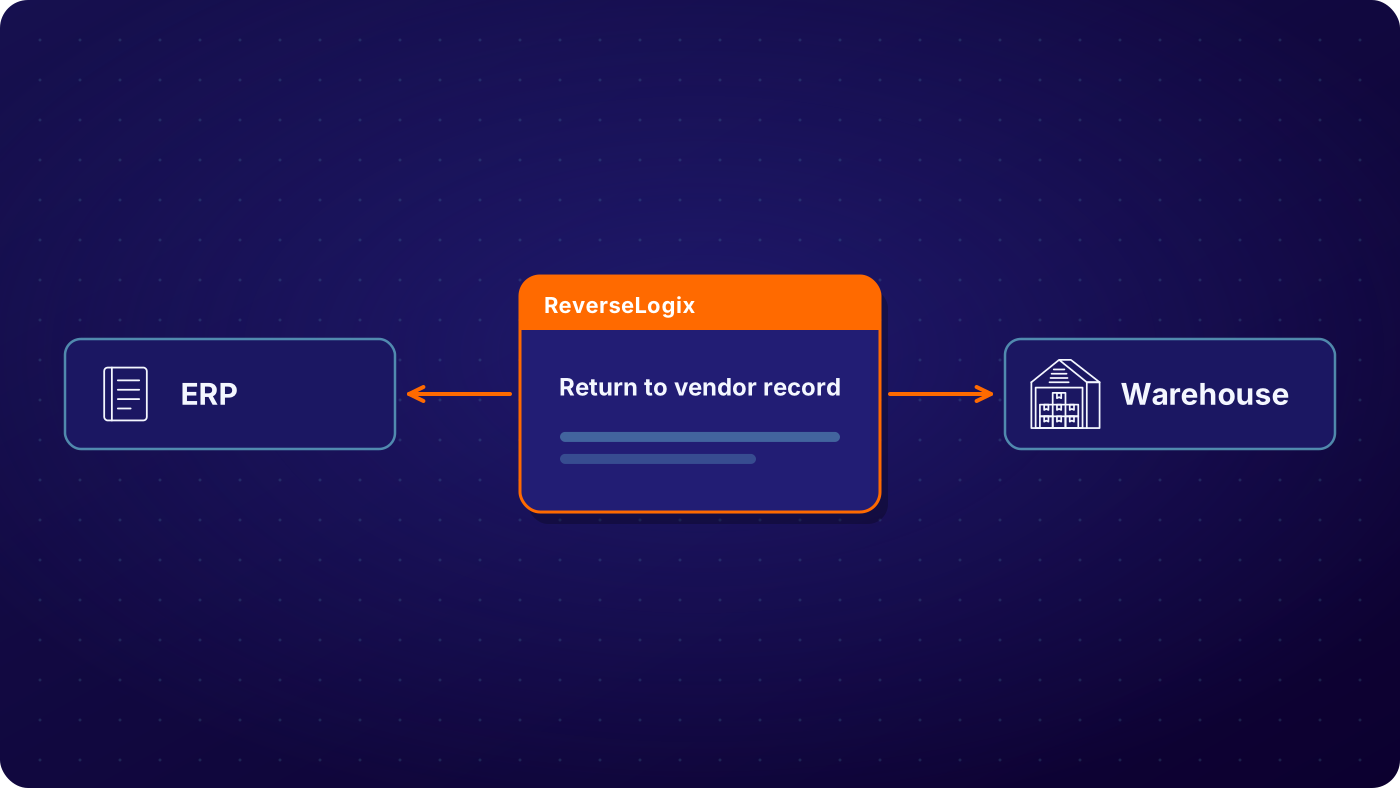
ReverseLogix runs the returns workflow and posts results to the systems that own the data. Your WMS keeps stock locations. Each client’s ERP or storefront keeps orders, refunds and inventory value. ReverseLogix integrates with warehouse platforms such as Blue Yonder, Manhattan, Korber and SAP EWM, with SAP, Oracle, NetSuite and Microsoft Dynamics 365, and with storefronts such as Shopify, through an API-first design. Each new client is a connection and a rule set, not a new installation.
See: integrations, implementation
Client Data Separation, Access and Audit Trail
Every return carries a full history: who received it, which client rule set the route, which services were performed and when it left the returns area. When a client questions a grade or an invoice line, the record and the photos answer it.
Role-based access keeps each client’s data separate. A client user sees only that client’s returns. Your own roles decide who can change a rule, approve an override or close an exception, and every change is written to the audit history. ReverseLogix certifications are shared during evaluation.
See: platform security
Your next questions, answered


Frequently asked questions
3PL returns management is the service a third-party logistics provider offers to handle product returns for its clients. It covers receiving the returned goods, inspecting and grading them, and routing each unit back to stock, repair, the vendor, resale or recycling under the client’s rules. Many 3PLs add services such as retagging, cleaning, testing and repacking.
3PL returns management software holds a separate rule set for each client and guides the warehouse team through receiving, grading and disposition for that client’s products. It records the work done on each unit and gives every client a view of its own returns. It replaces the per-client spreadsheets most 3PLs run today.
Yes. Each client is configured with its own policy, reason codes, grading criteria, dispositions and branded return portal. Workflows can also differ by location, role and language. Your team works every client from one system.
Most 3PLs bill per return handled plus value-added services such as inspection, retagging, cleaning, testing and repacking. ReverseLogix records each service against the unit as it is performed, by client, which gives billing an accurate list to invoice from. Rates and invoicing stay in your own billing system.
No. Your WMS keeps stock locations and outbound work. ReverseLogix runs the returns workflow that a WMS does not cover, such as reason codes, grading, dispositions and client reporting, and posts the results back. It integrates with platforms such as Blue Yonder, Manhattan, Korber and SAP EWM.
Yes. Each client can view its returns, the condition they arrived in, where the stock went and how long it took. Access is limited to that client’s data. Reports can be shared on a schedule, so account reviews start from the same numbers on both sides.
Yes. Repair, return to vendor, resale and recycling are dispositions on the same return record. A 3PL can switch them on per client and record the work, which turns reverse logistics into a set of services you can sell, not a cost you absorb.
Standard go-live for returns initiation is 4 to 6 weeks. Once the 3PL is live, a new client is added as a rule set and its integrations, so the timeline depends on how many systems that client connects. Repair and technician flows extend the project. A specialist will give you a plan after reviewing your operation.
Further reading: Reverse Logistics Association.
See How Returns Become a Service Line for Your 3PL
A specialist walks through your multi-client returns flow, from the dock to the client report, and shows where time and billable work are lost, before any demonstration.


