

Returns Management Platform for returns, repair and warranty in one record
One place where every return, repair and warranty claim is decided, tracked and posted back to your systems.
A customer emails to ask where their return is. Support checks the order system. The warehouse checks its own screen. Finance checks a spreadsheet. Someone walks to the dock and looks at the box. ReverseLogix is a returns management platform for manufacturers, retailers and 3PLs. Returns come in from any channel, get decided in one place, and the instructions flow back to the ERP, WMS, commerce platform and carriers that have to act on them. Ten modules cover tracking, initiation, warranty, exchanges, processing, repair, assets and resale. Start with one and add the rest when you are ready.
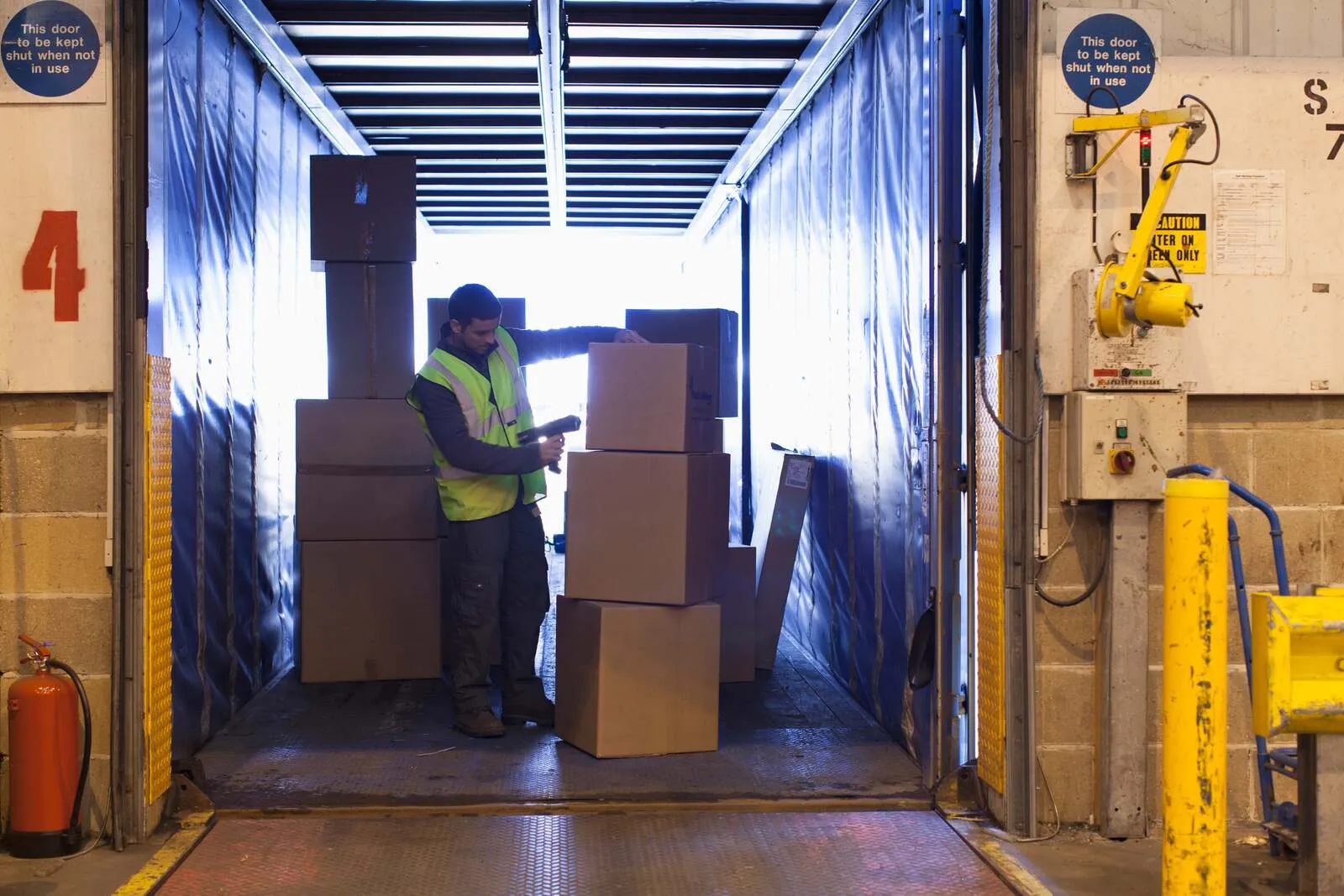
Returns teams using ReverseLogix include:











Why Do Returns Still Run on Spreadsheets and Email?
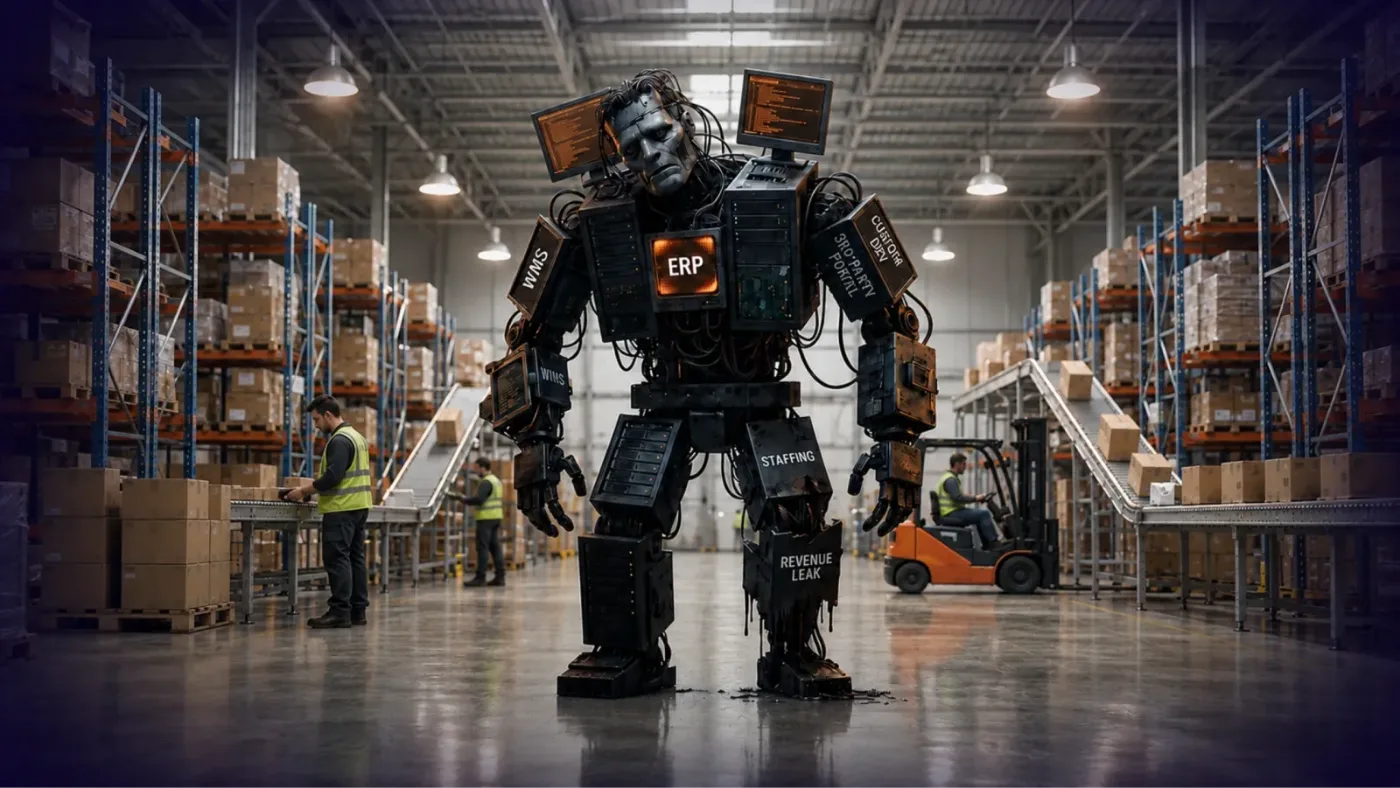
Most companies do not have a returns problem. They have a coordination problem. The order sits in one system, stock in another, entitlement in a third, and the customer conversation in a fourth. A return touches all of them, and in most companies a person is the integration.
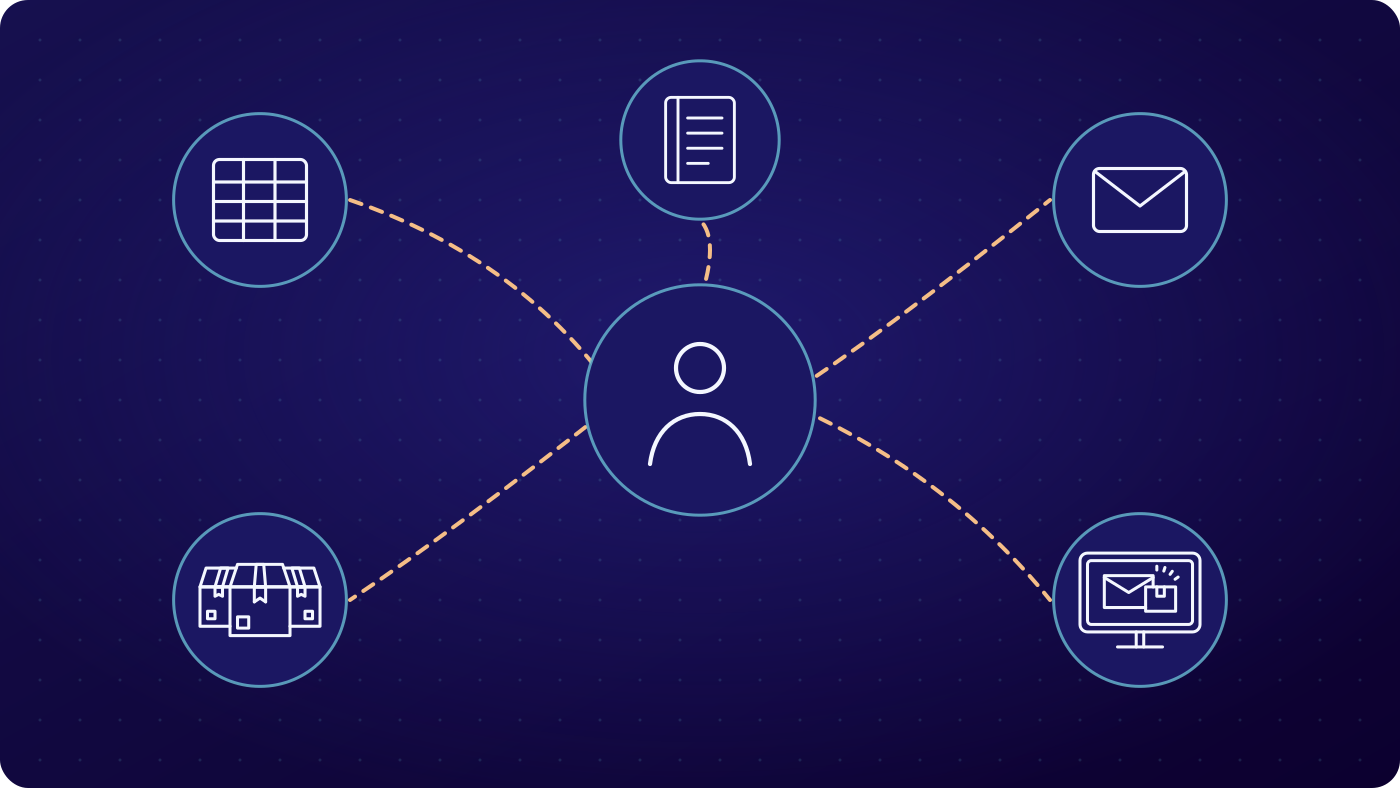

Nobody can say where a return is
The box is in transit, on the dock, on a shelf or in a bin. Ask three people and get three answers. The customer finds out first, by calling.

Every handoff is a swivel chair
Someone retypes the RMA into the WMS. Someone else retypes the result into the ERP. Each retype is a delay and a chance for the two systems to disagree.

Warranty and repair live somewhere else
A claim is checked in one tool, repaired in another and refunded in a third. Nobody can see the whole history of one serial number.

Decisions are made by habit, not by rule
A unit gets restocked, scrapped or shelved depending on who opens the box. Grades are unwritten, so the same unit gets a different outcome on a different day.
How Does a Returns Management Platform Work?

Start the return in any channel
A consumer opens the portal. A dealer uploads a list. A support agent creates a claim. Policy rules apply at the moment of request: window, reason, warranty entitlement and serial number. Tracking answers the where-is-my-order question before the customer asks it.
See: returns initiation, B2B bulk returns
Authorize and ship
The system issues the RMA and the label, picks the carrier and sends the customer their status. Advance exchange can ship the replacement first. The refund can release when the carrier takes custody, not when the box lands. That is standard, not a custom build.
See: RMA software
Receive, inspect and decide
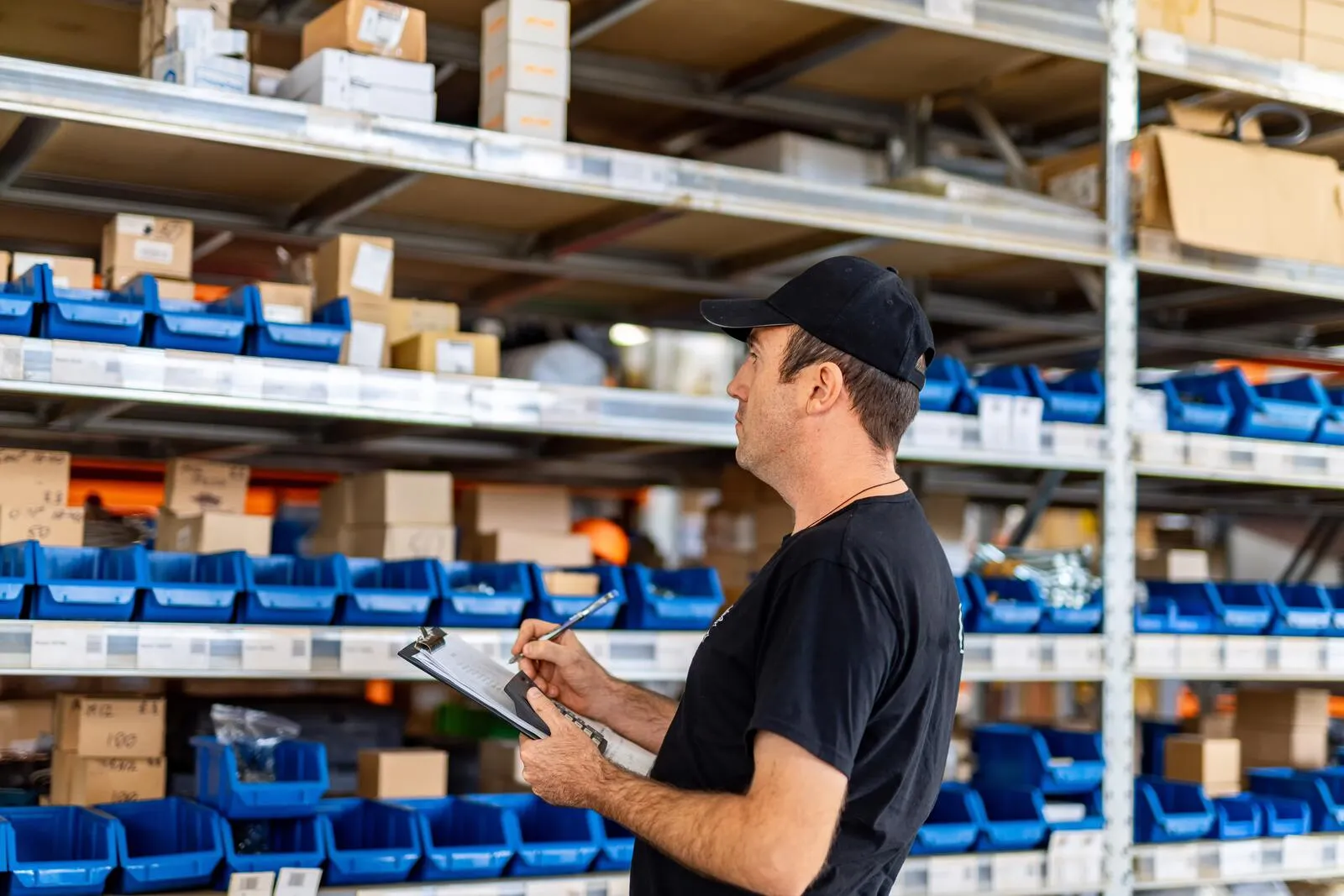
The unit is received against its RMA, inspected against criteria set for that SKU and graded. Repairs get a technician and a parts list. Everything else routes by rule to restock, refurbish, repair, resale, return to vendor, liquidation or scrap.

Post the result to your systems
Inventory, credit, refund and cost post back to the ERP, WMS and commerce platform. Recovered units move to resale with their grade and history attached. Reports show cycle time, outcomes and where value leaks.
See: recommerce, analytics
| Condition at inspection | Typical route | Recorded on the return |
|---|---|---|
| Consumer return inside the window | Portal issues RMA and label, refund releases at carrier custody | Order, reason, RMA, label, custody scan, refund, timestamp |
| Dealer returns a list against a contract | Each line checked against contract terms, valid lines authorized | Contract, line result, rejection reason, RMA, timestamp |
| Product fails inside warranty | Entitlement checked, replacement or repair started | Registration, entitlement result, fault, shipment, serial |
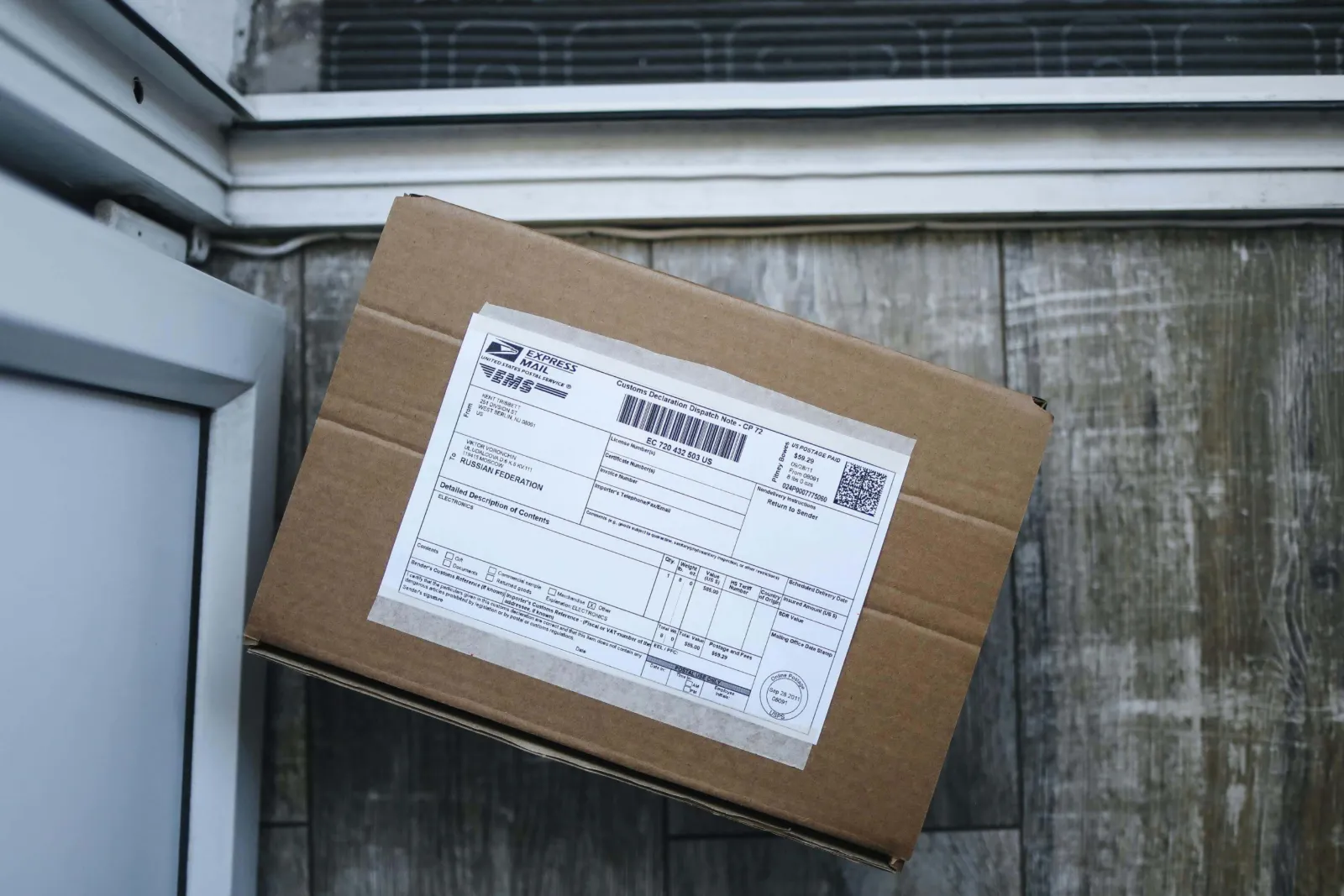
| Unit arrives with no RMA | Received as a blind receipt, held for review | Carton, photos, receiver, hold reason, resolution |
| Graded as sellable, opened | Routed to open-box or secondary channel | Grade, photos, destination, serial, timestamp |
Example configuration. Programs set their own rules, grades and routes.
Who Uses a Returns Management Platform, and What Does Each Team See?
Operations, customer service, IT and finance all work in the same record, each with the view they need. The dock team sees what to receive and how to grade it. Support sees status and can answer the customer without asking anyone. IT sees the integrations and the message log. Finance sees credits, refunds and cost per return. Access is role-based, so each person sees their part and nothing they should not touch.
See: operations, customer service, IT, finance
One record, every team
- Operations: receiving, inspection, grading and disposition queues
- Customer service: live status for every return, claim and repair
- IT: integrations, message log, retries and sandbox
- Finance: refunds, credits, recovery value and cost per return
What Can You See and Measure With Enterprise Returns Management?
You can see where every unit is, what state it is in and how long it has been there. Every step writes to the record with a timestamp and a user. That turns the black hole into a list you can sort, and it gives your team the evidence to act on. ReverseLogix surfaces the signals and keeps the history. It does not prevent fraud or guarantee detection. Your team decides what to do with each case.
- Status and location of every return, from label to final outcome
- Cycle time from arrival to disposition, by site and by SKU
- Units authorized for return but never received
- Grade and outcome by reason, so repeat defects show up
- Serial, frequency and reason patterns flagged at intake
Does It Replace Our ERP, WMS or Commerce Platform?

No. Your ERP, WMS and commerce platform stay the systems of record. ReverseLogix authors the return in one place and posts to them. It connects to SAP, Oracle, NetSuite, Microsoft Dynamics 365, Salesforce, Shopify, Magento, BigCommerce and WooCommerce, to WMS platforms such as Blue Yonder, Manhattan, Korber and SAP EWM, to helpdesks such as Zendesk, Freshdesk and ServiceNow, and to over 400 carriers in more than 100 countries. It is API-first. Each integration takes mapped fields, a sandbox, user acceptance testing and a go-live plan, and the team scopes that with you.
See: integrations, implementation, SAP, Shopify
What Audit Trail, Access Controls and Security Come With It?
Every record carries a full audit history: who did what, when, and what changed. A grade, a refund, a disposition or a rule override can be traced to a person and a time. That is the record finance, compliance and customers ask for when a decision is questioned.
Access is role-based, so a dock user, an agent and an administrator each see and change only what their role allows. Security certifications are shared during evaluation, along with the controls behind them.
See: security
Your next questions, answered

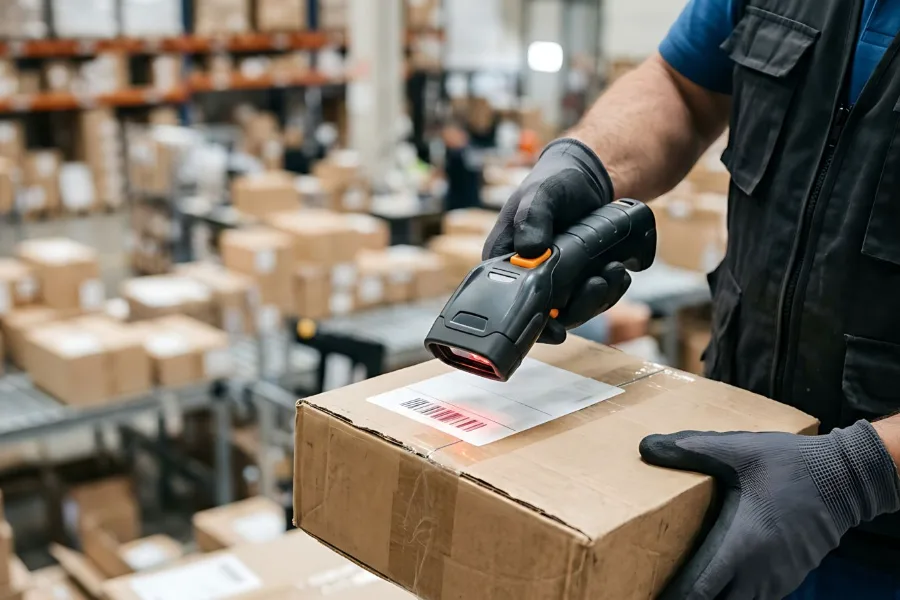
Returns management platform comparison
Six vendors show up on most returns shortlists. This returns management platform comparison shows what each one publishes about the work that starts after the label is printed.
| Capability | ReverseLogix | Loop | Narvar | AfterShip | Inmar | Optoro | ClaimLane |
|---|---|---|---|---|---|---|---|
| Primary focus | End-to-end returns, warranty, repair and recommerce, B2B and B2C | Exchange-led consumer returns for direct-to-consumer brands | Consumer returns, order tracking and notifications | Consumer returns, warranty portal and order tracking | Pharmaceutical returns; retail returns business sold to DHL in 2025 | Retail returns and recommerce, part of the Blue Yonder suite | Warranty, returns and repair claims |
| Receiving, grading and disposition | Yes | Three grades; warehouse partners connect by API | Routing to sites; in-house grading not stated | Yes, four grades | Pharmaceutical processing only | Yes | Optional warehouse module |
| Warranty claims | Yes | Yes, warranty portal | Not documented | Yes, warranty portal | Not published | Secondary | Yes |
| Repair depot and parts | Yes | Not documented | Not documented | Not documented | Not published | Not a focus | Yes |
| B2B and dealer returns | Yes, bulk RMAs | Not documented | Not documented | Not documented | Pharmaceutical trade returns only | Primarily B2C | Yes |
| Recommerce and resale | Yes | Not documented | Not documented | Not offered | Moved to DHL | Yes | Not published |
| ERP integrations | SAP, Oracle, NetSuite, Dynamics 365 | NetSuite through a connector | SAP, Oracle, Dynamics 365 | NetSuite | Not published | Inside the Blue Yonder suite | SAP, NetSuite, Business Central |
Based on each vendor’s public website, as reviewed for our comparison pages in September 2026. “Not documented” and “Not published” mean we did not find it on the vendor’s site. Select a vendor name for the full comparison.
Returns management platform: questions and answers
A returns management platform runs the full reverse lifecycle in one place: initiation, authorization, transport, receiving, inspection, disposition and settlement. Warranty, repair and resale attach to the same record. It sits beside your ERP, WMS and commerce platform and posts results to them, so returns stop living in spreadsheets and email.
In practice the terms are used interchangeably. Where they differ, reverse logistics software emphasizes the physical movement of goods, and returns management emphasizes the decisions: what to authorize, refund and do with each unit. A good platform does both, and ReverseLogix does. See the reverse logistics page for the movement side.
Yes, and that is the common pattern. Many teams start with one area, such as return processing or initiation, and add warranty, repair, exchanges or resale as needs and contracts come up. All modules share one record, so nothing is rebuilt when you add the next one.
Yes. Warranty registration, claim initiation, entitlement checks, repair processing with technician assignment, and asset management are modules on the same platform. A claim, its repair and its refund sit on one record, so anyone can see the full history of a serial number without switching tools.
Yes. A dealer returning forty units against a contract and a consumer returning one item are different transactions, and they run in the same system with different rules. Bulk B2B lines are checked one by one against contract terms, while consumers use a portal with policy rules applied at request.
Yes. Rules-based authorization, capture of returns from connected channels and disposition routing by condition, value and channel are core functions. Your team sets the rules and reviews the exceptions instead of triaging every box by hand. Programs set their own grades, thresholds and routes.
Standard go-live for initiation is 4 to 6 weeks. Repair and technician flows extend that, because they involve field service systems or portal access for technicians. The timeline depends on mapped fields, sandbox testing, user acceptance testing and your go-live plan, and the team scopes it with you before you commit.
No. Your ERP, WMS and commerce platform stay the systems of record. ReverseLogix keeps the returns record and posts inventory, credit and refund results to them. It integrates with SAP, Oracle, NetSuite, Dynamics 365, Salesforce, Shopify and major WMS platforms, and is API-first.
Further reading: Reverse Logistics Association.
See the Platform Against Your Own Systems
Bring your ERP, WMS and commerce platform. A specialist walks through the integration path and shows where returns slow down in your process.


