How Do I Improve My Reverse Logistics Process?
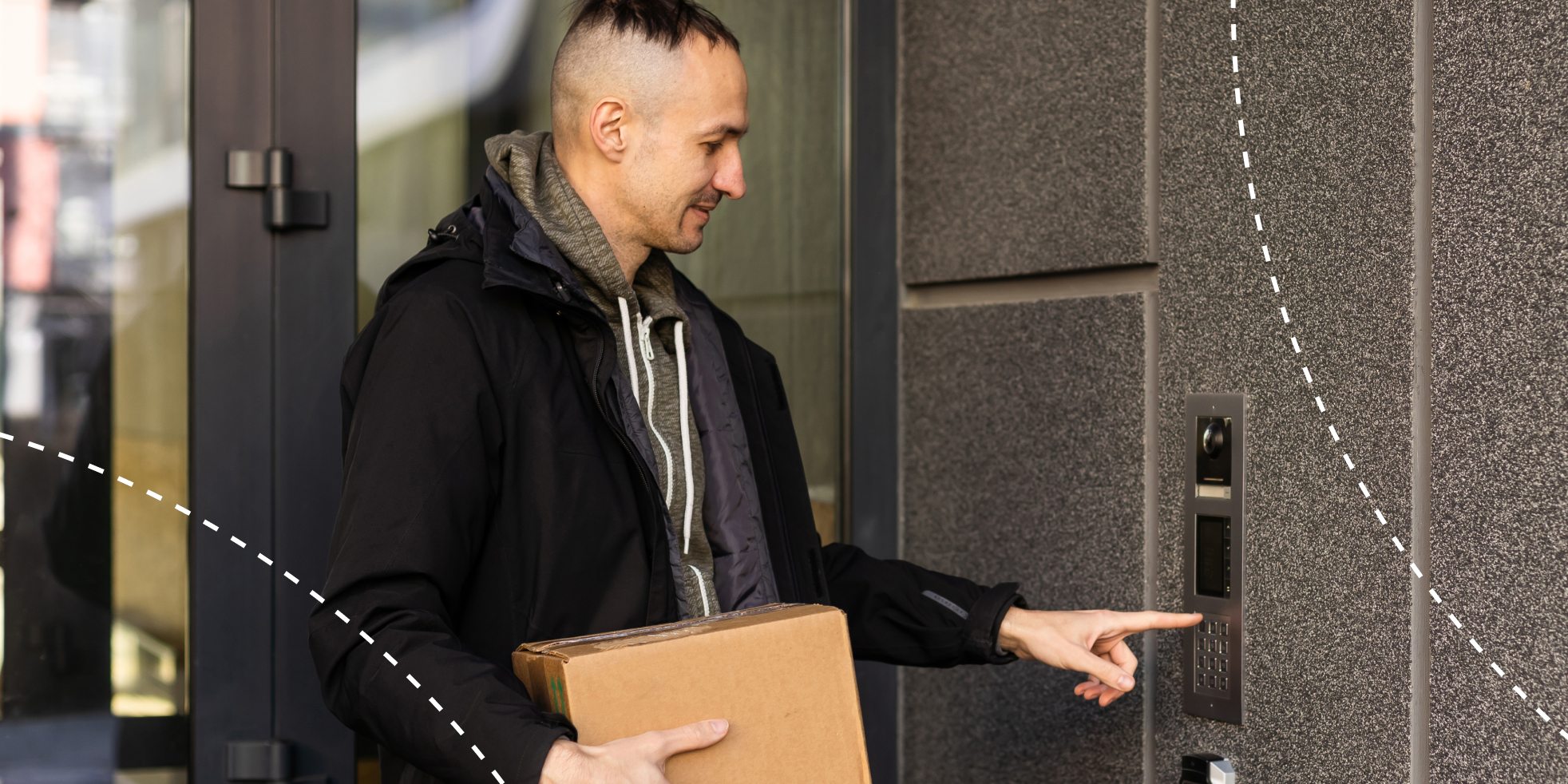
Reverse logistics is the process of moving goods from their final destination back to the manufacturer or retailer, handling returned items, and reducing the costs and losses related to returns. It is a core part of supply chain operations, particularly in online retail.
It lets businesses offer returns with confidence, which builds customer satisfaction and trust, and it opens the door to recommerce. A well-run reverse logistics process improves the bottom line, reduces environmental impact, helps retain customers and improves supply chain visibility. Reverse logistics is here to stay, with analysts predicting a trillion-dollar market in a few years.
This article covers seven strategies to improve your reverse logistics process and raise the throughput of the whole operation.
1. Implement a Customer-Centric Returns Policy
Return policies play a key role in educating customers about what to expect from the reverse logistics and returns management process. Each business and supply chain may have its own unique returns policy, but they must all be customer-centric. Customers who feel supported are more loyal and more satisfied.
For instance, a customer-centric return policy is easy to find, understand, and navigate, which makes the return simple for the customer. It also drives sales: incentives such as free returns can boost sales by over 350%. In a competitive market, a customer-centric returns policy sets you apart and improves customer satisfaction.
Beyond writing the return policy to be user-friendly, the supply chain must be able to keep the promises the policy makes. For instance, if the returns policy offers multiple options, the supply chain must ensure it can deliver on all those. Broken promises damage the customer’s view of the business and cost sales.
2. Use Technology
Technology supports every part of modern supply chain operations, from inventory management and warehousing to procurement and forward logistics. The same applies to reverse logistics.
A returns management system (RMS) lets retailers automate the reverse logistics operation, including processing returns, sorting and inventory management. That speeds up the process and reduces errors.
A returns portal lets customers handle the return themselves. Through the portal, they can start returns, get approval, generate return labels, and track the entire process.
3. Streamline The Returns Management Process
The returns management process must be easy for customers and the team working on the backend of the returns processing to follow. That saves time and raises throughput. For instance, the customer should have as few steps as possible.
The processing team should have dedicated return centers for handling returns, and the entire process must be centralized. Both make the process more consistent and shorten turnaround time. A streamlined returns process saves cost, reduces waste and makes fraudulent returns easier to spot.
4. Improve Inventory Management
Reverse logistics succeeds when returned items go back into inventory easily. For instance, a customer is returning a blue cup because she thought it was pink when she ordered it. If the business had a stock of 9 blue cups, would this return mean they now have 10 cups? Do they still have 9 cups?
What if another customer orders 10 blue cups? What does the business or supply chain do here? The answer is inventory management that tracks products moving in both directions, so you always have a precise picture of the inventory on hand. This allows for better planning and decision-making.
5. Improve Communication Between Customers and Stakeholders
Reverse logistics struggles without good communication with stakeholders and customers. Communication improves visibility and transparency across the entire process. With stakeholders, it lets everyone plan ahead, including pick-up and delivery.
With customers, it keeps them informed at every step. Customers want fast logistics, but they also want to know what is happening when there are delays. Proactive communication also creates a feedback loop the business can use to understand customer issues and improve the returns process.
6. Work With a Third-Party Logistics Partner
Supply chains are more complex than ever, and many businesses now bring in specialists for parts of the operation, including reverse logistics. You can improve reverse logistics and returns management with a third-party reverse logistics provider.
These third-party logistics providers use their expertise, vast resources, and experience to improve the throughput of the process, allowing the business and supply chain to focus more on core aspects of the operation. A successful partnership takes trust, integration and clear communication.
7. Focus on Sustainability
Logistics and transportation (including the reverse logistics process) account for a significant share of greenhouse gas emissions. By focusing on sustainability, including reevaluating waste protocols and using technology solutions like TMS and RMS, supply chains can reduce these emissions by combining delivery and pick-up runs and sorting returned goods carefully to avoid unnecessary waste.
How ReverseLogix Improves Your Reverse Logistics

ReverseLogix manages complex returns, letting businesses initiate returns, configure processing, and handle repairs within a single system. With ReverseLogix, you can expect the following:
- End-to-End Return Management: Customers can initiate returns through a self-service portal integrated with existing systems, maintaining visibility and control.
- Standardized Return Processing: Set up workflows for verifying, inspecting, and grading returns to maximize recovery.
- Repair Management: Use guided workflows to identify and repair products, recouping costs from damaged items.
Connect with us to see it in action.
Frequently Asked Questions
Q1: Why is improving reverse logistics important?
An effective reverse logistics system allows supply chains to enhance customer satisfaction, reduce costs of operation while increasing efficiency, and then contribute to sustainability by promoting recycling and proper disposal of products.
Q2: What are some common challenges in reverse logistics?
Reverse logistics can be subject to several challenges, depending on the industry, the nature of the business, and the set-up of the supply chain management. However, some of the common challenges many businesses experience in their reverse logistics operation are high return rates, inefficient processes, lack of visibility, manual handling errors, high transportation costs, and complex product assessments.
Q3: What role does data analytics play in reverse logistics?
Data analytics is a critical aspect of improving reverse logistics and returns management processes because it helps identify trends, predict return volumes, optimize inventory management, and improve decision-making by providing insights into the reverse logistics process. This data is generally obtained by creating a feedback loop and system.
Q4: How can supply chains standardize their reverse logistics process?
Supply chains can standardize their reverse logistics processes by any number of processes but the following are typical: creating uniform policies, procedures, and workflows for handling returns, repairs, and recycling, ensuring consistency and efficiency of their forward logistics process.
Get a Demo
Discover how you can jump-start your returns management efforts with ReverseLogix.