How to Get the Most out of Product Repairs & Refurbishments
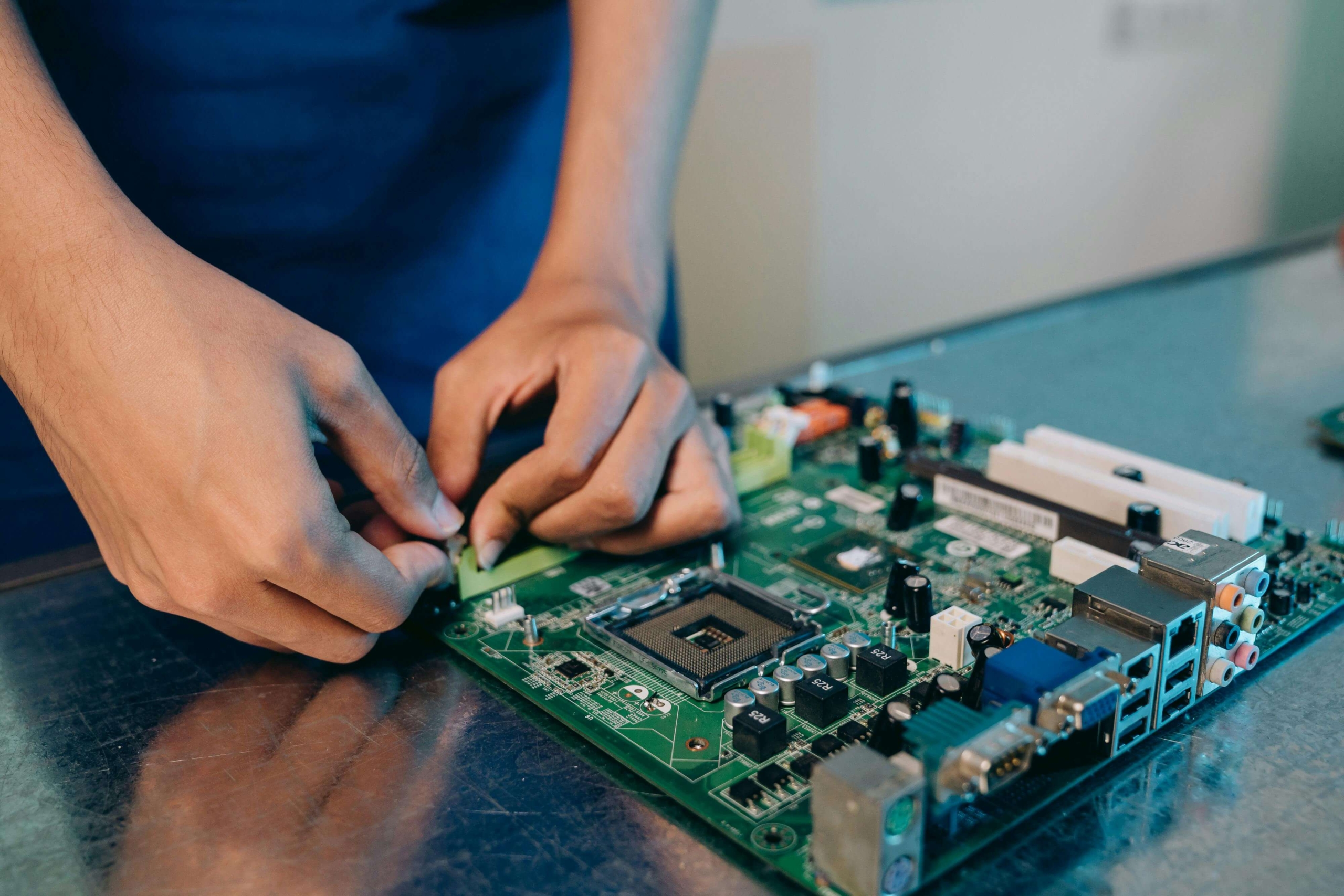
Refurbishments help businesses get more use from older products. While repairs fix what’s broken, refurbishments clean, test, and restore items so they work like new. Both save money and reduce waste, and they can improve customers’ loyalty to your brand. This guide will explain the benefits and share simple tips to improve your repair and refurbishment processes.
What is Product Refurbishment?
Refurbishments mean a full product restoration, not just fixing what’s broken. Repairs restore function, but refurbishments go further to ensure the item looks and works like new.
This process is common with electronics, tools, and industrial machines. It often includes:
- Testing
- Replacing parts
- Updating software
- Repackaging.
Refurbished items must meet standards for resale or reuse.
The refurbished retail market reached $137.2 billion in 2024 and could grow to $335.3 billion by 2033. Refurbishment now matters to businesses and buyers alike.
How Product Repairs & Refurbishment Can Benefit Your Business
Refurbishments and repairs get more value from your products by extending their lifespan and cutting costs.
Extend Product Life to Maximize ROI
Refurbishing returned products extends their useful life so they can be resold or redeployed. Instead of writing off returned or lightly damaged goods, you can recover that value by restoring items to like-new condition. For example, repairing a cosmetic flaw or replacing a single part allows a product to be resold at a substantial margin, all without the cost of producing a brand-new item.
This strategy is common for rental fleets and leased equipment, where keeping items in top shape avoids costly downtime. With 98% of organizations losing over $100,000 per hour of downtime, keeping products in use matters.
Reduce Waste with Repairs & Refurbishment
Repairs and refurbishments reduce waste by keeping products out of landfills. This results in less e-waste and supports cleaner, more responsible business practices.
Refurbishment keeps returned products in circulation, cutting down on e-waste and preventing unnecessary manufacturing. It’s a great benefit if sustainability is an essential goal for your business. Refurbishing can also reduce up to 70% of CO2 emissions compared to producing new goods.
Use Sustainability to Strengthen Your Brand
Customers and stakeholders expect companies to care about the planet. Offering repairs and refurbishments shows your commitment to sustainability.
Promoting these programs publicly can strengthen your brand. Some companies now market refurbished product lines or share sustainability scorecards. These efforts help attract eco-minded buyers. 94% of consumers have purchased refurbished products in the past three years. Making sustainability part of your story can set your brand apart.
How to Get More Value From Repairs and Refurbishment
Getting results from repairs and refurbishment takes a plan. These steps improve speed, reduce costs and deliver a better customer experience.
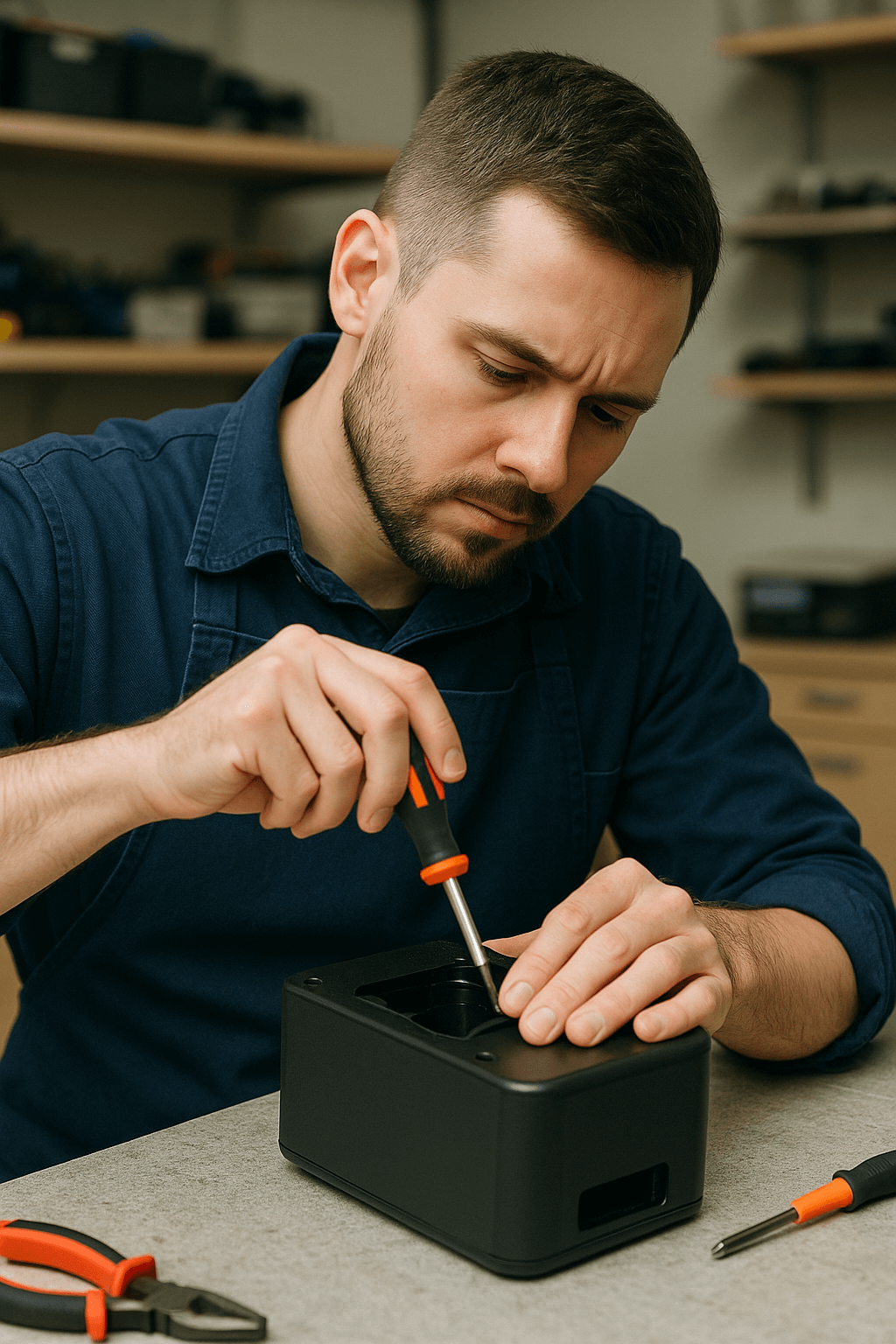
Early Assessment to Improve Efficiency
A strong repair or refurbishment process starts with early assessment. This means checking each item right away to see if it can be fixed or should be replaced. Doing this helps teams avoid wasting time and money on things that can’t be saved.
Using a triage system makes this step faster and more accurate. Checklists or digital tools can sort items into repair, refurbish, or discard. Some companies even use automation to spot common issues.
Develop the Right Repair or Refurbishment Process
Repairs and refurbishments depend on a simple, repeatable process. Start by building step-by-step workflows that guide every task, from intake to final testing. This keeps teams on the same page and prevents mistakes later.
Documenting standard operating procedures (SOPs) ensures consistency, especially when training new technicians. Well-trained staff can complete tasks faster and with fewer mistakes. Software tools also track each stage, flag delays, and show real-time progress.
Tightly Manage the Process & Logistics
To keep repair and refurbishment operations on track, you need complete visibility from start to finish. Real-time tracking shows where each item is, what parts it needs, and when it will be done.
Good warehouse and transportation planning matter too. Items should move quickly between check-in, repair, and storage without getting lost or delayed. Centralized dashboards make this easier by showing item status, part stock levels, and timing all in one place.
Ensure Your Repair Centers Are Ready for Volume
Repair centers must be ready to handle busy seasons or sudden spikes in demand. Forecasting tools can predict these volume changes so that you can prepare for them.
Layout matters too. Organize your space to move items quickly from one step to the next without backtracking. You may need to scale operations for larger surges. Some companies outsource overflow work, while others expand in-house with extra shifts or staff.
Establish a Clear & Easy-to-Understand Warranty Policy
Your customers look for a strong warranty when making purchases. They want to know they’re protected if something goes wrong. A clear policy shows that your business stands behind its work.
Make sure your warranty terms are fair and easy to read. List what’s covered, how long coverage lasts, and how to file a claim. Keep it competitive with what others offer in your market. Most importantly, align your policy with what your repair and refurbishment teams can support. This avoids overpromising and keeps your service reliable.
Set Customer Expectations & Communicate with Customers
Start by setting clear expectations during intake. Explain what will be repaired or refurbished, how long it will take, and which service options are available.
Keep customers in the loop with updates by email, text, or through a service portal. If there’s an unexpected roadblock, reach out quickly with a solution.
Focus On Providing a Good Customer Experience
Simple touches, such as easy pickup options, clean packaging, and fast service, shape the customer’s experience.
After finishing the repair, follow up. Ask for feedback through quick surveys to learn what went well and what needs work. Sharing positive reviews or success stories also establishes your reputation with new customers. It’s no surprise that repair services average an 85% satisfaction score. Customers who feel valued are more likely to come back.
What Product Lifecycle Management Brings to Refurbishment
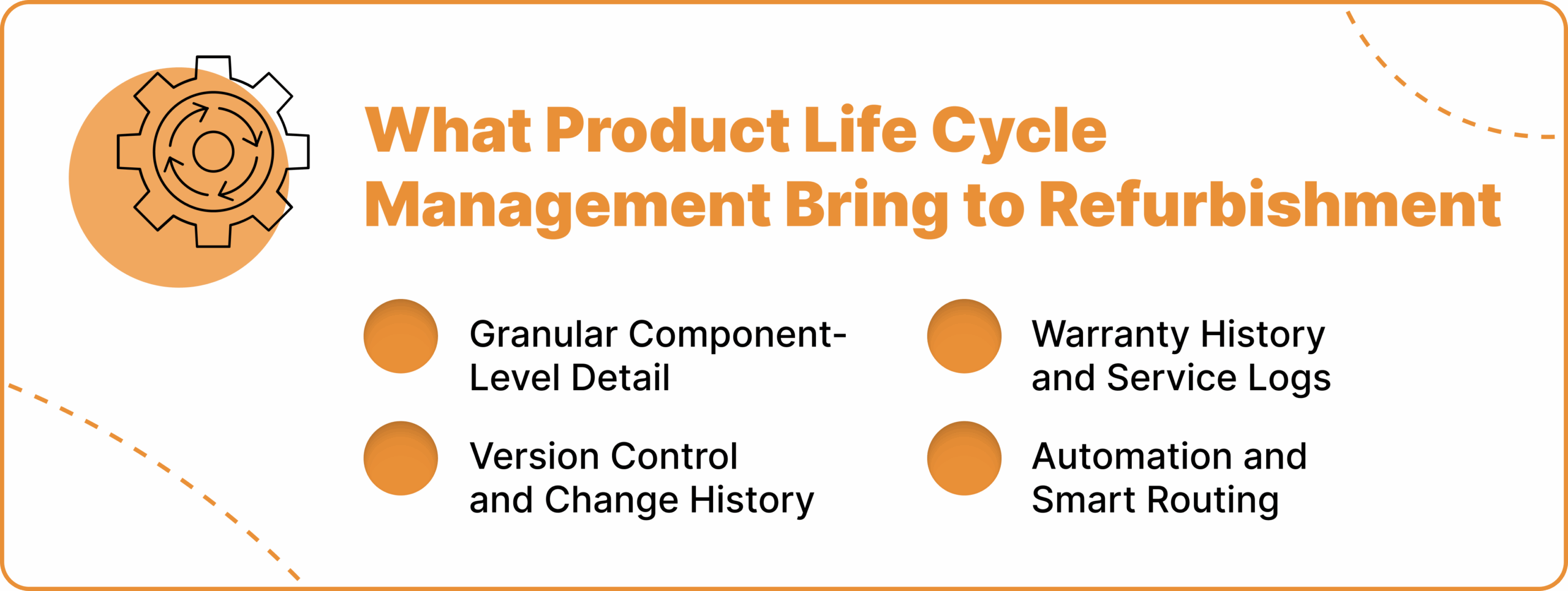
A product lifecycle management (PLM) system serves more than engineers. It serves every team that handles a product across its life span. That includes the teams managing its return, repair, and resale.
Here is what PLM data adds to refurbishment workflows:
1. Granular Component-Level Detail
Repair accuracy depends on knowing each part’s specifications. A strong PLM gives access to bills of materials (BOMs), CAD drawings, part versions, and firmware levels. This ensures technicians replace or reflash parts correctly, even across multiple product generations.
2. Version Control and Change History
Products evolve, new materials get used, and firmware gets patched. Without tracking change orders, your repair decisions become risky. A PLM-powered workflow tells you if the returned item matches the latest supported version or if it needs special handling.
3. Warranty History and Service Logs
PLM data, combined with service records, allows instant validation of warranty eligibility. It shows if the item was previously repaired, how it failed, and what parts were used. This reduces returns fraud and speeds customer handling.
4. Automation and Smart Routing
Structured data supports AI-powered triage. When a returned item’s serial number is scanned, smart systems decide: repair, recycle, or restock. This removes human bottlenecks and improves returns management.
Reverse Logistics Integration Starts with Product Data
Reverse logistics refers to the supply chain flow that starts after the sale. But it should not begin after the design. It should begin during the development phase where PLM lives. When PLM connects to reverse workflows, you get:
- Real-time condition tracking of returned items
- Audit-ready documentation for every unit recovered
- Part-level routing to the correct repair or discard flow
- Structured decision trees based on component age or failure history
Imagine a company receiving 1,000 returned smartwatches. Without data, they will have to check each one manually. With PLM + reverse logistics integration, the system flags 300 for repair, 200 for recycle, and 500 for resale, with tags ready to print.
Component Traceability Builds Recommerce Confidence
Buyers of second-life or second hand goods want assurance. They want to know the item has been validated, repaired, and supported by the original specs. That trust depends on traceability. Component traceability means you can track a part from manufacturing to resale.
It shows:
- When it was installed
- If it was ever replaced
- Which version it carries
- If it’s still under warranty
Component traceability gives your reverse logistics team the confidence to approve a resale. It gives your project managers and stakeholders the data to justify recovery goals. And it gives your brand a reputation for product quality and control. Most of all, it gives your buyers peace of mind.
Turn Repairs and Refurbishments Into Long-Term Value
Repairs and refurbishments can extend product life, reduce landfill waste, and improve how customers see your brand.
To summarize, here are some quick tips to get the most out of these efforts:
- Start by setting up early assessments to sort items quickly.
- Train your team with clear workflows and standard procedures.
- Use software to track repairs, monitor parts, and avoid delays.
- Promote warranty policies that instill trust in your buyers.
- Make sure your customers are informed from start to finish.
Get a demo to see how ReverseLogix manages repairs and refurbishment at scale.
Repairs and warranty in one flow
How repair intake, warranty entitlement and parts move through a single system.
Get a Demo
Discover how you can jump-start your returns management efforts with ReverseLogix.